

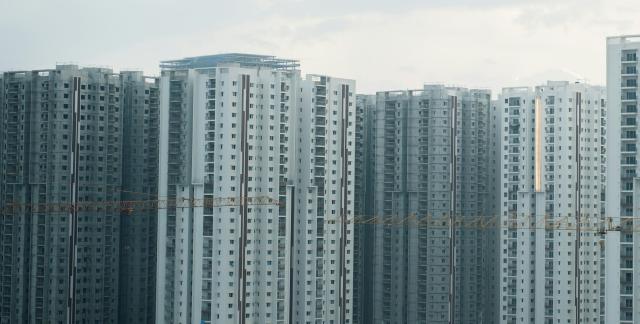
Cost-Benefit Analysis of Incremental Housing vs. Traditional Construction
The basic requirement to build homes depends on construction methods that determine the levels of affordability and sustainability and enhance economic growth. Two main construction practices sustain the worldwide housing market while they exist both inside and outside cities. People who choose incremental housing can add sections to their homes little by little as their budget improves. Traditional building methods need a single large financial outlay so homeowners can obtain their homes without delay but the complete cost is generally heavier.
The analysis evaluates economic factors together with sociological results from both housing models. The community-centric feature of incremental building makes homes more affordable and appealing to community involvement and flexible building style while traditional construction maintains reliable structures and optimizes construction speed for expansive city development. Homeownership accessibility and sustainability benefit from distinct social and financial and environmental effects that each design model generates. These housing models provide useful information regarding strategies and policies for developing affordable and resilient housing structures across the world.
The analysis of Incremental Housing begins with its financial benefits
Throughout their financial abilities homeowners employ incremental housing methods to construct their houses bit by bit. Several developing nations alongside low-income areas choose this standard since they lack funds to build their entire house simultaneously. Families reduce their financial burdens and enhance their living conditions through time-based small investments instead of taking large loans.
Small initial costs constitute the key economic advantage that incremental housing provides its users. The core advantage of incremental housing emerges from its capability to let families construct a minimum shelter followed by depiction when their money situation allows them to build bigger. The financial strategy of incremental housing lets homeowners decide how to use their resources according to their pressing needs.
The financial benefit of incremental housing includes minimal interest payments among other things. Through traditional house construction owners need to acquire significant loans featuring high-interest costs. The implementation of incrementally built houses enables families to reduce their debt by either relying on household savings along with community aid or accessible microfinance loans. Long-term occupants end up paying less expense for their home as a result.
The approach of adding house sections progressively enables house owners to achieve better material cost efficiency. Homeowners can benefit from small-scale material purchases during discount periods at local suppliers which leads to major expense reductions. The system allows homeowners to select sustainable materials while also giving them the opportunity to use recycled resources to reduce costs.
Incremental housing becomes a relief for public housing programs because it provides families with housing independence through minimal governmental assistance. The strategy enables householders to thrive independently by utilizing public funds for needed critical services.
Traditional Construction: Higher Upfront Costs but Faster Completion
Traditional construction produces modern residential homes by following a full-scale turnkey procedure until homeowners obtain complete possession. Urban developers together with commercial real estate and government housing projects use this model as their standard practice. Traditional construction delivers instant access to housing yet presents major financial and logistical difficulties to users.
Traditional construction involves expensive beginning expenses that make it difficult to finance. Large sums of credit or investment become necessary for homeowners or developers to undertake full project funding through incremental housing methods. Long-term financial difficulty emerges because loan installments along with increasing interest require burdening homeowners with significant debt.
Traditional construction offers specific profit advantages but these advantages do not outweigh all of its weaknesses. Building a house at once enables bulk purchasing of materials so unit costs decrease throughout the production process. Economies of scale during large-scale construction lower expenses for each house unit better than incremental housing would.
Construction by traditional methods enables houses to be finished at a quicker pace than other methods. The time needed for people to obtain secure housing after a disaster proves essential for speed-based infrastructure development in devastated regions and expanding cities. Traditional building methods deliver quick housing solutions which enhance economic stability though incremental construction lengths its delivery timeline by several years.
At present conventional residential structures fulfill superior benchmarks of quality and implement rigorous safety standards. Professionals supervising the construction yield enhanced safety outcomes through their oversight thus ensuring the reduction of structural problems in homes. The implementation of traditional housing leads to lower long-term costs for repairs in addition to renovations.
Although traditional building offers these advantages it falls short in creating cost-effective solutions and enabling design modifications. The strict financial specifications coupled with standardized architectural conceptualization prevents low-income families from qualifying for these homes because of expensive initial costs. According to the author, traditional construction cannot effectively serve marginalized populations who need adaptable housing because of financial barriers.
Social and Economic Impacts of Incremental Housing
The approach of incremental housing provides numerous social advantages together with economic advantages to develop thriving communities. The main gain from this approach activates homeownership potential for residents. People who take part in building their own homes end up feeling like owners who care for their properties. The active role in construction development produces proud community members and ensures lasting sustainability.
The local economies receive economic growth through incremental housing practice. Advantages emerge from incremental housing because it promotes employment opportunities for local residents while bypassing external contractors who collaborate with standardized manufacturing. The hiring of local carpenters carners and masons at homeowners' properties helps develop small-scale industries in the area. Through job creation this local economy benefits by sustaining money cycles.
The usage of incremental housing leads people to become less dependent on government financial support. Less funding for public housing programs becomes possible due to family-based housing management so governments can allocate these resources toward healthcare and educational services.
The next essential benefit involves disaster resistance capabilities. Incremental housing permits families to transform their residences according to the requirements and conditions of their environment. The process of infrastructure reinforcement follows a gradual approach after natural disasters so homeowners strengthen their buildings instead of requiring total reconstruction. The ability of incremental housing to adjust operates as a sustainable method for disaster-prone areas.
However, there are also challenges. The process of gradual development in incremental housing forces families to occupy structurally inadequate housing spaces for several years before completion. Delayed installation of basic amenities like electricity coupled with water supply and sanitation services injures both physical health and social well-being of the community. The presence of essential infrastructure development needs to be ensured through governmental and NGO support programs during incremental housing projects construction.
The Challenges of Traditional Construction in Housing Affordability
Traditional construction stands out for excellent efficiency and structural integrity although it forces major affordability hurdles for various reasons. Accessible housing remains out of reach for low-income families because of the primary issue with traditional construction. Many potential homebuyers need substantial government financial support and extended loan terms to achieve homeownership since traditional house purchases demand big monetary investments.
The major obstacle in urban development is urban congestion. Traditional construction takes place after real estate developments in cities creating expensive land prices through large-scale approaches. The rise in urbanization creates scarcity of land which drives up costs until they reach a point where lower-income families cannot afford suitable housing.
Standard construction methods have the tendency to affect housing market stability. Mass-produced houses that need external funding are prone to economic instabilities because market changes cause housing bubbles and rising prices. Fast-paced real estate developments in numerous cities have created housing prices which normal citizens cannot afford.
The high costs associated with long-term house maintenance create an additional challenge. House maintenance for traditional dwellings demands substantial financial costs that extend their life expectancy. The expense of conducting structural repairs together with renovating buildings and utility system updates grows dramatically across the years which ultimately raises homeownership expenses.
Traditional construction continues to be the primary choice among investors of real estate and governments as well as high-income homeowners who need quick access to quality frameworks coupled with security systems although they have to forfeit affordability along with structural adaptability.
Finding the Right Balance: Combining Incremental and Traditional Housing Models
A suitable housing solution requires the affordability aspects of incremental housing approach alongside the stability features of traditional building methods. Habitat preservation can be achieved through conceptual development of housing forms that unite quality inspection processes with continuous expansion.
Core housing programs serve as an approach to give families basic yet safe homes from governments and developers which families can expand later. These housing systems provide instant shelter before residents can perform necessary improvements depending on their available funds.
Microfinance must be promoted as a way to support the development of incremental housing. Housing loans with low interest rates enable families to acquire better construction elements without compromising their monetary abilities. Community-led urban planning systems create an equilibrium between house affordability and infrastructure construction. Governments must supply essential services to selected zones which create support for incremental housing projects in those areas. Housing policies that unite these methods will generate sustainable living standards together with affordable rates and lasting economic growth to provide homes of dignity for more people.
Environmental Impact: Sustainability in Incremental Housing vs. Traditional Construction
Construction activities for homes result in significant environmental changes which affect both energy utilization and natural resource exhaustion as well as emission of waste products. Environmental sustainability remains the main aspect within the ongoing dispute between incremental housing and traditional construction practices. The approaches between these housing methods diverge enormously regarding the way they handle materials together with land usage along with energy efficiency and sustainable practices for enduring periods. An analysis of environmental consequences that result from incremental housing as opposed to traditional building emerges through a study of sustainability measures alongside waste reduction strategies and ecological preservation principles.

Resource Efficiency and Material Use
The main benefit of incremental housing is its ability to maintain resource productivity. The financial phase-based construction method of families leads to their selection of local resources together with innovative construction methods which decreases their dependence on industrial manufacturing products. By following this approach people decrease costs linked to transportation and carbon emissions and protect the amount of extracted resources.
Building operations that utilize traditional methods frequently cause excessive resource loss since they depend heavily on standardized large-scale manufacturing procedures. Big construction sites regularly dispose of excess materials thus creating more environmental impact on the planet. The production cycle of commonly used construction materials including steel and concrete results in major CO₂ emissions.
Energy Consumption and Carbon Footprint
The core feature of incremental housing leads to reduced energy usage because it allows for passive design measures. Family construction elements which include passive ventilation and local insulation materials combined with efficient floor design help decrease occupants' dependence on manmade heating and cooling systems. Energy consumption during the extended construction timeline enables better dispersion of usage which results in reduced carbon emissions for every developed unit.
Without modern construction techniques traditional projects use energy-intensive operations by employing heavy equipment and large-scale transport methods and industrial raw material setups. The construction activities which build traditional housing produce big increases in its total carbon output. The completed structure requires additional power consumption for heating and cooling along with daytime lighting leading to more environmental issues.
Construction Waste Management
Using incremental housing techniques allows spaces to adapt from former uses while keeping waste generation to a minimum level. The construction process happens step by step which enables families to utilize their original materials while maximizing resource usage and minimizing construction debris. The method complies with sustainable building principles because it minimizes the quantity of waste materials that go to landfills.
Large amounts of waste merge from both construction activities and demolition residues during traditional construction projects. Environmental pollution together with waste disposal challenges emerges from both old structure demolitions along with material overuse and unnecessary manufacturing activities. Land clearing initiatives associated with big housing constructions trigger deforestation and biodiversity loss.
Disaster Resilience and Climate Adaptability
Residents can develop houses through incremental housing models that consider their specific environment and hazard risks. Residents who actively participate in house construction can build in high resilience manner by elevating buildings during flood-prone areas and using reinforced walls during earthquake regions as well as installing sloped roofs for heavy rainfall conditions.
The way builders construct massive housing developments fails to take into consideration relevant environmental factors at specific building sites. Engineered structures that adopt international building codes lack essential site-specific resilience elements in their design. Multiple climate disasters pose a greater risk to conventional residential developments because they frequently need extensive and expensive maintenance work.
Urban Sprawl vs. Sustainable Land Use
The ordinary construction process leads to urban sprawl because it exchanges agricultural zones and forests and wetlands with big residential developments. Such expansional construction methods damage ecosystems while destroying native habitats while requiring more extensive transportation networks. Mass housing projects generate overcrowding effects that produce elevated environmental pollutants alongside intensified stress on water systems and electricity networks.
Well-designed incremental housing enables efficient land usage through its approach to promote natural urban expansion. Sustainable urbanization finds support from this approach which promotes both dense development and public involvement while integrating various types of space. The design method promotes forest protection while sustaining biodiversity together with preserving natural environments to maintain proper equilibrium between settlements and natural ecosystems.
Conclusion
The disagreement between traditional building practices and incremental housing methods contrasts over the fundamental questions of cost affordability and environmental sustainability and residential preparedness and accessibility benefits. The process of traditional housing construction delivers quick mass solutions yet incremental housing methods embrace effective prices combined with neighborhood-led development for purchasing homes. Locking houses stands out as a sustainable housing solution for low-income communities because it provides steady growth through financial capability and changing household requirements.
Advances in environmental consciousness prove that incremental housing stands as a greener solution which minimizes construction waste as well as lowers energy usage and protects soil integrity. The ability of incremental housing systems to adapt through suitable construction design enhances community resistance against environmental calamities according to regional exposure risks. The traditional methods of construction demonstrate efficient urban development yet produce greater environmental impact along with high economic costs that create financial constraint for low-income homebuyers.
Governments through their policies along with financial frameworks serve as the essential elements in growing each housing strategy. Through their combination of flexible financial solutions with land title protection schemes along with public-private partnership initiatives and sustainability-based urban development strategies policymakers can narrow the housing deficit while creating enduring stability for defenseless citizens. Microfinance together with housing subsidies and green sustainable financing tools will serve as vital components for building an inclusive housing market and climate-resistant homes in upcoming years.
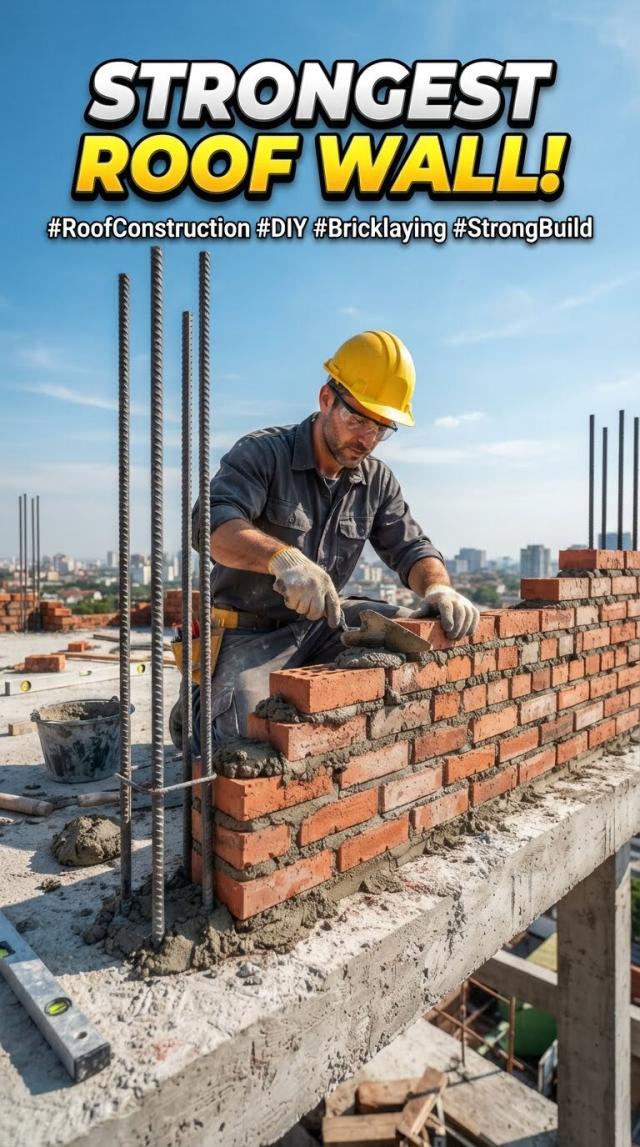
A forward path needs to unify traditional with incremental housing practices to develop sustainable and sturdy yet affordable dwellings. Housing development becomes a three-way social economic and environmental catalyst through communal participation together with public sector backing and private market investment. The housing future demands inclusive solutions which enable people to establish better lives through incremental efforts of brick construction.



-bsBmIgEW58.jpg)
-5yCS4OoVBg.jpg)





LEAVE A REPLY