


Connecting Housing with Health: The Role of Affordable Housing in Improving Public Health in Ghana
It is common knowledge that housing is a basic human need and should be viewed not just in the sense of offering a place of shelter. Physical, mental, and life quality directly depend on the quality, location, affordability, and safety of the houses.
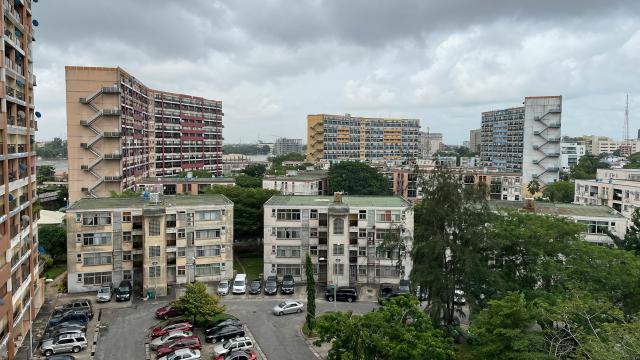
Rapid urbanization and population increase in Ghana have aggravated housing inadequacies such that most low-income families have to reside in congested and substandard living conditions.
 This leads to serious health-related issues in the community that
burden households, healthcare systems, and national development. Inappropriate housing situations subject their residents
to a lot of health hazards, such as respiratory illness, water-borne diseases,
injuries, mental abuse, and chronic diseases.
This leads to serious health-related issues in the community that
burden households, healthcare systems, and national development. Inappropriate housing situations subject their residents
to a lot of health hazards, such as respiratory illness, water-borne diseases,
injuries, mental abuse, and chronic diseases.
Crowding leads to the
transmission of communicable diseases, and poor drainage and sanitation systems lead to frequent outbreaks of malaria and cholera. Informal settlements have
low access to clean water, safe dumping of waste materials, and adequate
ventilation, which further deteriorates health outcomes.
Affordable housing presents a chance to deal with all these
interrelated issues offering secure and properly designed living conditions to
vulnerable groups. The positive effects of housing policies in relation to the
goals of the health of people are better sanitation, less spread of diseases,
better mental conditions, and increased social stability. This blog presents
the potential of affordable housing to transform Ghana in terms of enhancing
its overall health outcomes.
Housing Conditions and Disease Transmission
The quality of housing has a great impact on the epidemics
of infectious diseases. The density of population in most of the low-income
urban neighborhoods does not allow hygiene and physical distancing. Several
families tend to live in single rooms, kitchens, and toilets, which forms
conditions where infections are easily transmitted.
Due to bad ventilation, the chances of airborne diseases like
tuberculosis and respiratory infections are high. Poor natural lighting and
humid interiors lead to the growth of mold, which worsens asthma and
other breathing issues. These health threat of these is susceptible to
children and elderly residents.
Poor sanitation infrastructure is also a cause of diseases.
Unclean toilets that are not well maintained turn into a haven of bacteria and
virus. Mismanagement of waste pollutes water bodies and residential areas
exposing people to dangerous diseases.
These risks can be averted to a great extent with
development of affordable housing that should have sufficient space, proper
ventilation system, and better sanitation. Availability of personal or clean
communal facilities restricts the spread of diseases and encourages healthy
living. Enhancing housing standards thus is a prophylactic measure of public
health that helps in decreasing the rate of infection and minimizing the cost
of healthcare.
Water, Sanitation and Hygiene Infrastructure
Healthy living conditions entail access to clean water and
sanitation facilities, as well as hygiene facilities. Most informal communities
do not have access to the water supply system, and therefore the locals are left
with no other alternative but to use unsafe water sources like
contaminated streams and wells. The sources of water augment the vulnerability
to waterborne illnesses such as cholera, typhoid, and diarrhea.
The system of poor sanitation exacerbates health risks. Poor
toilets and open defecation pollute the environment and put the spread of
bacteria into effect. Stagnant water results in breeding grounds of mosquitoes
that cause malaria as a result of the blocked drainage systems.
Affordable housing plans will also provide chances to
include the current water and sanitation facilities into the residential
settlements. Appropriate piping also helps to have clean water to drink, cook,
and maintain personal hygiene. Properly designed sewerage systems ensure that
there is no pollution to the environment and limit contact with the pathogens.
Waste management systems, effective drainage networks, and
hand washing facilities increase the level of protection of the population
health also. These are the advancements that minimize the transmission of
infectious diseases and promote better lifestyles.
Sanitation infrastructure in the housing sector has long
term health effects because they reduce avoidable diseases and secure
environmental health.
Indoor Air Quality and Respiratory Health
Indoor air quality has a great impact on respiratory
well-being, particularly in children, old people, and those with underlying
health problems. Houses that are not well built and those with poor ventilation
keep inhaling smoke, dust, and other dangerous pollutants, which are hazardous
to the occupants.
Numerous households with low income use biomass fuels like
charcoal and firewood to cook. The emission of toxic pollutants due to the
burning of these fuels in enclosed or ill-ventilated spaces puts an individual
at risk of getting chronic respiratory diseases, lung infections, and eye
irritation.
Poor housing conditions also lead to the development of
molds that develop allergenic properties that cause asthma and other breathing
problems. Poor insulation and leaking roofs increase the humidity indoors,
which aggravates the quality of the air.
Ventilation system, bigger windows, and better building
material can be also included in the construction of affordable housing
developments to facilitate airflow and limit the collection of pollutants. The
use of separate cooking spaces and cleaner sources of energy also reduces indoor
pollution. Through indoor air quality, affordable housing alleviates
respiratory diseases, increases (or offers) comfort, and improves long-term health
outcomes among vulnerable groups.
Overcrowding and Mental Health Consequences
Living conditions not only influence the physical well-being of the residents but also have an impact on mental and emotional health.
Crowded living areas also decrease privacy, heighten noise levels and subject
residents to stress at all times. Families that are in single-room housing find
it difficult to maintain a balance between rest, work, childcare and social
activities in limited spaces.
Stress may be caused by constant congestion, irritability,
sleep deprivation, and fights. Kids with poor concentration at school due to
overcrowded families can then be unable to perform well in school in
terms of academic and emotional growth.
Poor housing and constant eviction also contribute to
psychological stress. The fear of displacement leads to a latent state of
uncertainty that influences the long-term thinking and personal security.
Decent housing that is affordable and has adequate living
space enhances the mental wellbeing of an individual as it brings privacy,
quiet environment as well as secure tenure. Social interaction and emotional
stability are also facilitated through access to recreational areas and
community space. Constant housing conditions favor a sense of dignity,
belonging and security that enhance mental resilience and quality of life.
Housing Location and Access to Healthcare Services
The place of residence is a factor that determines access to
medical care and emergency. The informal settlements are usually found in
remote regions or unplanned areas where there is an inadequate transport system
and where social amenities are insufficient. People in these neighborhoods have
challenges of reaching hospitals and clinics, particularly in times of
emergencies.
The high transportation costs caused by long distances and
the lack of encouragement of routine checkups because of long distances, are
undesirable. Elderly and pregnant women, as well as those with chronic
diseases, become more vulnerable in case of restricted access to healthcare.
Low cost housing programs incorporated into developed urban
localities enhance access to health services. The availability of effective
road systems and transport systems facilitates quicker response to emergencies
and regular medical appointments.
Preventive health and early treatment are facilitated by
placing housing in strategic locations within the community and in close
proximity to clinics, pharmacies, and health centers. Accessibility improves
complications of diseases and death rates.
Housing that is linked with urban planning to create a
healthcare infrastructure leads to strengthening of the entire public health
infrastructure and improves the wellbeing of a community.
Injury Prevention and Structural Safety
The construction of houses in a bad way predisposes to
injuries due to structural failures, fires, and accidents. The houses
constructed using poor materials can collapse during heavy rains or during
severe winds. Poor electrical installations increase the risk of fire and
electrocution.
Poor illumination and unsafe stairs and steps are the causes
of falls and injuries, especially among children and elderly inhabitants.
Compromised housing designs restrict free movement and emergency exit.
These risks are mitigated by affordable housing projects
being built in controlled safety conditions. Strong building materials, correct
electrical system, fire precautions and interior designs that are secure to the
occupants will improve the safety of the residents.
High-quality layouts enhance access and minimize risks of
accidents. Safe communal areas and child-friendly designs also help to prevent
injuries. The affordable housing, by promoting structural safety, is a
preventive setting that reduces the number of avoidable injuries and helps to
provide less risky conditions.
Community Environment and Social Determinants of Health
More general social and environmental circumstances in
societies affect health outcomes. Communities that do not have green areas,
recreation, and pedestrian walkways do not encourage physical activities and
socialization.
Lack of proper waste management systems makes the
environment unhygienic and pests and diseases take root. Noise and insecure
streets are sources of stress and deteriorate general well-being. With
integrated planning, affordable housing projects would provide healthier living
environments in the community. There are parks, playgrounds and walking paths
which promote exercise and social interaction. Environmental health is
minimized through clean surroundings and proper disposal of waste.
Social Cohesion and mental wellbeing: Community centers and
shared spaces. Secure communities promote physical activities and community
engagement. Healthy environments are supplementary to healthcare services since
they deal with social determinants that influence the general health. Properly
designed housing communities thus ensure holistic improvement of the health of
the people.
Economic Stability and Health Outcomes
Housing is affordable, leading to financial stability and
hence health outcomes. Poor families are compelled to spend big parts of their
earnings on rent, which means that they will not have enough money to buy
nutritious food, medical services, and education.
Financial pressure generates anxieties and undermines mental
well-being. Homeless families can postpone medical services or use more
affordable and less nutritious food choices that predispose them to
malnutrition.
Affordable and stable housing decreases the financial strain
on the economy and enables households to invest in health-enhancing needs.
Secure tenure also helps in a stable employment as there is less movement.
Economic stability increases access to healthcare, healthy diets, and
educational resources that foster the wellbeing of a population in the long
term.
Affordable housing indirectly improves the health outcomes
of the population by reducing the cost of living and enhancing their stability.
Climate Change and Housing-Related Health Risks
Climate change amplifies the already existing health problems by affecting living conditions and contact with environmental risks. Heat waves, unpredictable precipitation, and extreme weather patterns predispose inadequately built or overpopulated housing systems, especially in Ghanaian cities and coastal regions. Waterlogging and flooding in informal settlements undermine sanitation facilities and pollute sources of water, which cause waterborne diseases.
Rising temperatures and humidity can increase the growth of
molds and pests in houses with low air flows that can lead to greater
respiratory infections and allergies. Storms and heat waves are also considered
physical threats, and they are devastating to buildings and limit the
possibility of accessing healthcare facilities. The vulnerable populations are
children, the elderly, and low-income households disproportionately.
To help curb these health hazards, affordable housing
planning should incorporate climate resilience. High foundations, stronger
structures, better drainage and climate-sensitive materials diminish the
effects of floods and storms. Residents are also safeguarded by access to clean
water and good sanitation.
The intersection between housing, health, and climate is
something that is important to address because affordable housing should not
only offer shelter but also amplify the capacity of communities in overcoming
and adjusting to environmental risks.
Technology and Innovation in Healthy Housing
Innovative housing technologies can be used to enhance
the health conditions of the population by enhancing the quality of construction, sanitation, and indoor settings. Precut housing materials,
modular construction, and low-cost resilient construction methods enhance
longevity, minimize vulnerability to disasters, and expedite construction.
The technologies of smart homes and monitoring system can
enhance the indoor air quality, regulating the humidity, ventilation and
pollution level. Leaks of water, moulds and dangerous temperatures can be
noticed by the sensors and timely maintenance can be carried out before health
hazards occur.
Green energy like the solar water heater and lighting are
renewable and they enhance the living conditions and lessen the encounter of
indoor pollutants that are caused by current fuel sources. Water
purification systems and rainwater harvesting guarantee the availability of
safe water.
Incorporation of technology and community health education
promotes the adoption of hygienic lifestyles and healthy living standards by
the residents, which promotes the overall success of affordable housing
initiatives in the promotion of the health of the population.
Health-Centered Housing Policy and Governance
The policy of the government is essential to connect housing
development with public health outcomes. Building codes, sanitation, and
environmental protection that are in favor of health should be implemented by
regulatory frameworks in the low-income housing developments.
The developers can be encouraged by the use of subsidies,
tax exemptions, and technical assistance to build affordable, safe, and healthy
residentials. The housing policies should also consider the public health in
the urban planning by ensuring that they are close to clinics, clean water and
recreational facilities.
The coordination of the institutions in terms of housing
authorities, the government in terms of public health, and local governments
would achieve the outcomes of consistency in terms of monitoring, enforcing,
and adapting the housing standards. The community participation systems enable
the residents to lobby better living standards.
Policy formulation based on evidence of both health and
housing data enhances the efficiency of resources and programs. The housing
quality has to be continuously assessed and reformed to ensure the long-term
improvement of the quality of the population health.
Conclusion
Housing and health are closely inter-related, and the
conditions under which people live determine their physical, disease-related,
mental, and access to basic services. Poor housing and poor housing
successively threatens the population of Ghana's health promotion programs
especially among the low income societies who live in congested and
underdeveloped communities.
Affordable housing can become a potent instrument towards
solving these issues as it has offered safer buildings, better sanitation
systems, good ventilation, and stable living conditions. Housing policies that
are in line with the strategies of the public health reduce the spread of
diseases, lessen the injuries and improve mental wellbeing and put less strain
in the healthcare system.
Combined with infrastructure planning, environmental
management, and social services, housing development produces healthier
communities that promote national development. Affordable housing, then, is
not merely social protection but also preventive healthcare programs.
Increased partnership between housing authorities, urban planners, and the institutions of public health will also ensure that residential settings support the safety, dignity, and well-being of every citizen. Focusing on affordable housing will allow Ghana to create healthier communities to live better lives in both urban and rural regions.
Also read: Procurement for Public Housing: How to Stop Cost Overruns Before They Start





-3dkuLgKhRD.jpg)
-49HupTvwDD.jpg)






LEAVE A REPLY