

Africa is at the very dangerous crossroad of a very fast
urbanisation, population increase, and climate change coming together to form
one of the most urgent problems of the present time the urgency to have safe,
affordable, and climate-adaptable housing. As the temperatures increase, the
rains change, extreme weather occurrences become more common, millions of
residents have been exposed to more potential hazards to their livelihood,
health and residential areas. No longer are far-fetched scenarios, heat waves
that endanger human lives, floods that wipe whole neighbourhoods off the face
of the earth and prolonged droughts that hamper water resources already
redefining lives on the continent. With the growth of cities and the rural
regions still grappling with climatic changes, housing would have to be more
than just a shelter. It has to be proactive in defending communities and
maintaining them during a changing climate.
Affordable housing that is climate resilient transcends the
environmental issues. It is a comprehensive strategy which combines social
equity, economic accessibility and sustainable design. In Africa, where close
to 60 percent of urban residents reside in informal settlements, and where
infrastructure disparities are stark, context-driven solutions, such as
cost-effective building materials or community-driven planning and
climate-sensitive technologies are needed when designing such housing. It also
demands government-to-government, government-to-paired developers, financial,
and local community collaborations to make resilient housing not a luxury but a
rule of the whole world.
This blog delves into the idea of African countries
developing affordable houses, which can survive heat, resist flooding and
conform to drought seasons, without the need to lose affordability and cultural
significance. Both sections look at one of the crucial aspects of resilience,
which provides an insight into materials, design solutions, and already
practiced solutions on the continent. With the adoption of climate-sensitive
housing in the modern world, African countries will be capable of creating a more
resilient and secure society and shape a more prosperous and long-term
sustainable future of future generations.
Learning Climate
Vulnerabilities in the Housing Landscape in Africa.
The presence of the various climate regimes such as deserts
and tropical coastlines renders Africa a unique location that is susceptible to
various climate-related stresses that endanger housing stability. Increase in
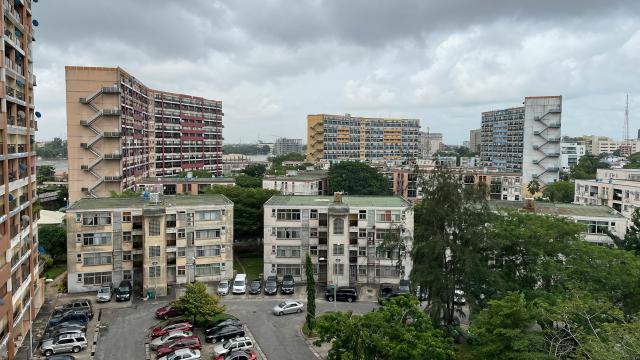
temperature has transformed most urban centres into hot spots in terms of heat
and increasing the temperature of homes that lack proper ventilation to levels
that can be fatal. Heat waves are also increasing in duration and severity,
especially in places such as Lagos, Cairo, Nairobi and Niamey, which have
built-heavy construction and small areas of green cover to aggravate the urban
heat island effect. Most of the traditional and modern low-income houses are
based on the use of the corrugated metal sheets used to absorb the heat and
grossly undermine comfort and health. The houses that were erected without
considering thermal performance will fail to promote the safe living conditions
as the world temperatures continue to increase.
No less important is the threat of floods that is
increasing. The cities of Africa that are situated along the coastlines and
rivers like Dar es Salaam, Accra, Maputo, and Lagos have frequent floods that
tend to be aggravated by urbanisation, poor drainage systems, and the growth of
informal settlements in the high-risk zones. Climate change is increasing the
intensity of heavy rainfall events, which used to be rare; causing flash
floods, damage to property and in most cases displacement of a whole community.
Unstable houses made of non-durable material are very susceptible as the walls
collapse, the foundations are washed, and the roofs blow away during a severe
storm. All these frequent disasters highlight the importance of robust
structural design and better settlement planning.
There is also the issue of drought that is widespread. In
the Horn of Africa, Sahel region, and some parts of Southern Africa, water
shortage affects the daily routine of people, reduces the productivity of
agriculture, and puts a burden on already vulnerable housing facilities.
Prolonged droughts decrease access to water to construct, sanitate, and cool
which result in unhygienic living. Population also can move as a result of the
lack of resources which leads to the swift informal development of urban areas
worsening the already existing vulnerabilities.
Creating Affordable Housing that Withstands
Extreme Heat.
As the process of climate change brings warmer temperatures
to the continent of Africa, it is necessary to design houses that will maintain
natural coolness to safeguard health and minimize the energy consumption. Quite
a number of households are unable to afford air conditioning or even a basic
electric fan, so passive cooling measures are the most available. Some of these
measures are optimising building orientation, improving cross-ventilation, the
inclusion of shading devices, and reflective or insulating roofing materials.
To illustrate this, homes should be oriented to capture the winds that exist
because this will significantly minimize heat accumulating in the house and
large, strategically located windows and vents ensure that air passes through the
building. Shades on features like verandas, overhangs and plants also lessen
the direct solar radiation and maintain the indoors cooler.
In thermal comfort, a significant role is taken by material
choice. African locally available materials such as adobe, rammed earth,
compressed stabilised earth blocks (CSEB) and thatch provide good insulation
and thermal mass qualities at low cost. They capture heat in the day and give
it away at night making the interiors to be at a constant temperature. More new
technologies, including cool roofs with reflective paint or insulated roof
panels, are a cheap method to reduce the amount of heat in the house without
necessarily needing significant structural modifications.
Heat resilience is also affected by the urban design.
Evapotranspiration can be used to achieve natural cooling of multi-unit housing
by incorporating green roofs, rooftop gardens, and courtyards into the
building. Urban green spaces and planting shade trees can be used to counteract
urban heat islands as well as enhancing both air quality and appearance.
Informal settlements with little public infrastructure can be the area where
community-based greening efforts can have a particular effect.
Climate-appropriate design is not necessarily expensive to
incorporate into the building; in fact, it can in most instances save energy
costs over time by the occupants. The governments and developers can motivate
the heat-resilient building by subsidizing cool roofing materials,
incorporating standards of heat-resilience in building code, and encouraging
the availability of climate design training to the builders and homeowners.
With the continuously rising temperatures, thermal comfort in the design of homes
will form part of the resiliency agenda in Africa. Affordable housing should be
developed in such a way that it does not only make people get through the
heatwaves but also live with dignity and health in a warming world.
Construction of
Flood-Resilient Homes and Settlements
Flooding is among the most devastating climatic hazards in
Africa and it takes a blend of engineering, planning and community based
strategies to design homes and settlements that would suffer the floods. At the
lowest level resilient housing starts with site selection. The lack of land,
affordability issues in urban areas make the low-income communities to make
settlements in wetlands, riverbanks, drainage corridors, and coastal areas.
Although relocation is a must in some cases it is not always possible as well
as socially acceptable. This means that structural resilience and better
settlement planning should be prioritised during adaptation.
High housing can be considered as one of the best measures
against flood prone areas. By not using stilts, but making foundations on
stairs, or by making mounds of soil, to lift a building, the danger of damage
by water in a heavy rainfall can be diminished. Less expensive solutions to
exposure to floods have been shown in local technologies, e.g., raised earthen
pads in portions of Sudan and Senegalae. The use of solid foundations,
waterproof, and strengthened walls would support homes against extended floods
and heavy storms. In concrete blocks, treated wood, and stabilised earth may
all do much better than mud brick or untreated wood, which do not withstand
flood conditions easily.
Drainage systems are also very essential. Urban flooding is
mainly caused by poor drainage particularly in fast developing informal
settlements. Uncomplicated measures—like community-controlled drainage systems,
permeable pavements and bio-swales can radically decrease the runoff on the
surface. Adding ecological elements of water-absorbing properties such as
wetlands, green corridors, or retention ponds has the advantage of ecological
and flood protection. The settlement planning ought to make sure that the open
spaces and specific drainage routes are not encroached on and the water is
allowed to pass without destroying houses.
Flood resilient design in building level comprises of
adopting high-rise electrical systems, sealed floors as well as moisture
resistant interior finish in order to minimize the cost of post-flood repairs.
Rainwater harvesting systems that are aimed at eliminating overflow during
storms can also be integrated into homes. These strategies together with
community early-warning systems and climate-responsive land-use planning
establish safer environments even in high risk areas.
Coming up with
Housing Solutions to Drought and Water Scarcity.
Drought is an intricate problem to housing in Africa, not
only in terms of water access but also in construction, sanitation,
agriculture, and household resilience. The design of houses should be such that
a water efficient system is incorporated in such houses, where water is
conserved without endangering the health of residents. One of the most viable
and most scalable solutions is to harvest rainwater. In areas where there is a
drought, which are watered seasonally, appropriately designed collection systems,
together with filtration, may supply households with the mandatory water needed
to drink, cook or even water the lawns. Even basic guttering systems and
storage tanks are cheaply made and can be installed in new and existing houses.
Sanitation systems with low consumption of water are also
essential. The conventional toilet to flush toilets use a lot of water and they
are not applicable in drought stricken areas. Other options like dry toilets,
composting toilets, and vacuum toilets are water saving and are still hygienic.
In the dense settlements, further efficiency can be made through communal
systems that recycle greywater that can be used in irrigation or cleaning. To
the housing developers and governments the use of such technologies in less
expensive houses can make a big difference in terms of water usage.
Even building materials are important. Most of the
traditional building materials consume a lot of water in terms of their
manufacturing or installation. Interlocking blocks, compressed stabilised earth
blocks, and modular methods of construction reduce water consumption and also
accelerate the construction process thus are appropriate to drought-infested
areas. Xeriscaping, that is, the use of water-resistant plants, mulching, and
water-efficient irrigation systems, should be used to landscape around houses
to save water and enhance the microclimate.
On a community level, resilience is based on better water
governance. Shared water facilities, including treated wastewater and
boreholes, and communal storage facilities, can be built within housing
developments. Digital monitoring devices and smart meters can contribute to
saving water and enhance the clarity of its distribution.
Adaptation to the culture is also important. Numerous
communities are already indigenous in their water conservation methods
(underground storage tanks or irrigation in pottery) as well. The combination
of local knowledge and modern technologies brings solutions that are
sustainable and acceptable by the culture.
Increasing
Availability of Affordable and Climate-Resistant Building Materials
Resilience and sustainability of housing relies on housing
materials. Low-income communities are frequently led by affordability in Africa
to materials such as timber, mud bricks and corrugated metal sheets which might
be cheap in the short term but do not bend well to climatic forces. The
continent needs to increase access to durable, sustainable and affordable
building materials that can withstand heat, floods and drought to construct
climate-resilient housing on a large scale.
Material innovations which are locally powered have massive
potential. Compressed stabilised earth blocks (CSEBs) such as those are
economical, energy conserving and ideal in hot climates as well as dry
climates. Their thermal mass also helps them control the indoor temperatures
thus they are suited in areas with heat. Rammed earth construction is also
relevant to offer durability and also serves as an insulator, but they also use
a lot of local soil instead of imported products. These materials are less harmful
to the environment, and contribute to the local economies through the
production and construction of jobs.
There are also recycled materials and upcycled materials
that provide some promise. The plastics may be converted into building blocks
or roofing tiles which will be long lasting and waterproof. Waste generated by
agriculture can be used to create insulation panels or alternatives composed of
wood and waste, including coconut husks, rice husks, and sugarcane bagasse.
These innovations can deal with waste disposal as well as housing requirements.
In flood prone regions water proof materials are necessary.
The stabilised bricks, treated bamboo, reinforced concrete, and fibre cement
boards are more durable than the traditional materials based on mud.
Lightweight modular structures may particularly prove helpful in areas where
higher housing is needed because they do not put much work on the foundations
yet can withstand their structural requirements.
Policy, Financing,
and Community Engagement for Resilient Housing
More than innovative architecture is needed to design
climate-resistant affordable housing, and that is robust policy frameworks,
innovative financing models, and involvement of the community. Governments
should incorporate climate-resilience requirements to national building codes,
regulations on urban planning and land-use policies. These involve the
imposition of zoning regulations against building in prone flood areas,
providing a guideline to a heat and drought-resistant design and the
establishment of incentives on green building materials. Even the most optimal
policy design strategies cannot be deployed on scale without a supportive
policy.
One of the biggest challenges is financing. Some low-income
families have limited access to both regular mortgages and building upgrades
that are resilient, and affordable housing is considered a high-risk product by
financial institutions. It can be addressed through innovative financing
mechanisms like micro-mortgages, pay-as-you-go models, climate adaptation
grants, green bonds, and joint initiatives by the government and business.
There are also international climate funds available including the Green Climate
Fund (GCF) which can also be used to finance large scale resilient housing
development. Governments can also encourage savings groups, cooperatives and
community land trusts so that collective investment in resilient infrastructure
can be made.
The community involvement is crucial since strong housing
should be able to express the needs, cultures and abilities of local people. A
lot of the climate challenges are extremely localized and the inclusion of
community in mapping risks, prioritizing, and adopting strategies of adaptation
is invaluable. Participatory planning also allows residents to share their
expertise to make sure that the housing solutions are realistic, acceptable,
and sustainable. Education on resilience is provided to local constructors and
craftspeople, to generate employment opportunities as well as to maintain
resiliency practices in the daily construction.
Conclusion
Affordable housing that is climate-resistant is not a choice
anymore, it is a necessity among the Africans. With the increase in
temperatures, floods become more common, and drought situations become more
severe, houses that millions of people depend on cannot ensure their safety
anymore. Nevertheless, Africa also has a huge potential in pioneering
affordable, innovative and sustainable housing options. Combining passive
cooling techniques, flood-resistant design, water-saving structures, and
locally manufactured climate-responsive materials, communities will have the
power to construct buildings that resist the environmental demands and help to
sustain wellbeing over time.
Climate-resilient housing cannot solely be successful based
on design, but collaboration. Governments should ensure that friendly policies
are developed and invest in sustainable infrastructure. The financial
institutions should develop viable avenues through which the low-income
households can safely develop. The communities should be made to be the active
agents in the planning and construction processes to make sure that the housing
solutions are in line with the cultural practices and the realities in the
localities. By such concerted actions, Africa will be able to change its
housing sector into an industry that is vulnerable to a resilient industry.







LEAVE A REPLY