

Climate Refugees: How Floods Are Creating New Slums
As the climate gets warmer, more floods are displacing many and the number of climate refugees is increasing. Often such individuals abandon their rural or coastal homes and move to cities to preserve their safety. While they might have hoped for a safe home, they are often pushed into slums that are really crowded, dangerous and have little help. Sadly, low levels of development and unreliable government structures in the Global South do not allow cities to handle climate-related migrations. Dhaka, Lagos and Jakarta which are often affected by flooding, are experiencing an increase in informal housing, leaving many residents with continuing poverty, many health risks and environmental problems.
Refugees often suffer cultural loss and see their identity fade, as entire generations are removed from where their ancestors lived. Because of them, urban areas are required to handle more environmental stress which may raise the risk of flooding in the future. If there is no legal status or international acceptance for them, these refugees usually face gaps in aid and assistance. We should find a new way to develop that is based on equity, making people more resilient and including diverse groups. Places should focus on eco-friendly houses, give residents simple land access and promote community planning. Governments should take action, using forward-looking strategies which help avoid harmful migration and ensure long-term adjustment.
Climate displacement is already happening and is affecting cities all over the globe. In order to manage this, we must change our attitude, supporting climate migrants as they deserve help, protection and a path to recovery, rather than placing blame or considering them a burden.
The Human Exodus: Displacement Driven by Rising Waters
More people are affected by flooding than by any other type of natural disaster. Lives in Bangladesh and Nigeria, as well as Jakarta’s low-level areas, are regularly shaken up by floods. In numerous areas, the amount and strength of floods are now much higher compared to past decades. It doesn’t happen by chance; instead, it’s tied to global climate change. Major changes in climate are turning yearly flooding into something that happens all the time.
When houses flood, crops disappear and the economy fails, residents have to leave their homes. If someone moves for work or education, we call them traditional migrants, but climate refugees are escaping danger to their survival. Usually, their movement is rushed, became necessary due to an emergency and is not well assisted by the current support systems.
The reason is that they relocate to cities to find shelter, jobs and peace of mind. But cities usually are not ready for such a big increase in tourists. Because housing is already in short supply, newcomers often have to live in places that are not recognized by the government. Because these places often miss water, sanitation and power services, they soon become slums. So, floods cause harm both by forcing people from rural places and by flooding places people live in cities, encouraging the building of slums.
The Geography of Vulnerability: Why Some Regions Suffer More Than Others
Flooding-related displacement affects regions differently around the world. Way of life, wealth, government and effects of colonial history all play a part in deciding who is hurt the most. Countries from the Global South such as many in Southeast Asia, Sub-Saharan Africa and portions of Latin America, deal with the issue the most. Because these regions are prone to flooding, they do not have enough resources to deal with disasters. As examples, Dhaka, Lagos and Rio de Janeiro reflect what coastal cities often experience. As a result of sea levels rising and city growth that isn’t planned, these cities now see more floods and an increase in slums.
Bangladesh which faces floods and frequent cyclones, is home to more than 700 rivers. Rising environmental disasters lead millions from rural districts to move to Dhaka each year, making the already crowded slums more crowded. Every year, the rising floodwaters of the Niger and Benue rivers force thousands from their homes to live in makeshift homes near Lagos, a city that already has one of the biggest slum communities. Swelling favelas in Brazil are filled with people coming from the Amazon and flood-damaged lowlands.
These areas are also affected by problems such as unreliable government, dishonest practices and lacking urban planning. Because of climate stress and these challenges, people forced to relocate usually lack official options for housing and work. If policies are not created to help climate refugees, the issue gets worse. Since governments may not have enough resources, even easy-to-offer support is never provided, so slums can increase uncontrollably.
Life in the Shadows: Living Conditions in Climate-Induced Slums
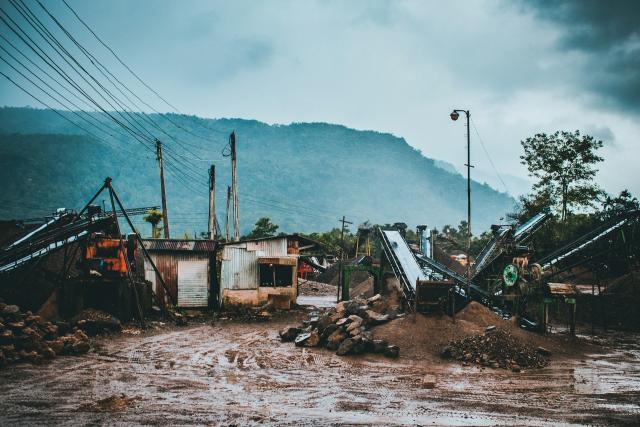
Going from rural areas damaged by floods to living in urban slums is more than just a shift of area—it can be more challenging. Life by the river can be very unsafe in the country, but living in city slums has its own equally serious difficulties. Often, these settlements crop up near railways, near open drains or by polluted rivers because it’s all they can get or pay for. Surprisingly, these regions are also at risk of flooding, so displaced people end up back in the water’s path.
Many of these slums’ buildings are made from tin, plastic or simple wooden boards. People share bathrooms, if they have them and clean water is not always available. High rates of disease happen in these areas after heavy rains mix acidic water with sewage. You can come across cases of malaria, dengue spread by mosquitoes, as well as cholera and some other waterborne infections. Regular access to education and health is not possible for residents, pushing kids into poverty with few hopes of ever escaping it.
It’s just as hard to find a job. Much of the population gathers food from the streets, recycles essentials or performs manual work for slow and uncertain earnings and little legal help. This environment has a strong impact on people’s mental health. Because of displacement, poverty and limited opportunities, residents’ mental health suffers and causes depression, more substance abuse and higher rates of domestic violence.
In such places, children and women are more at risk than others. More girls than boys drop out of school and women encounter gender-based violence more than men. Since there is little protection for them, people living in slums constantly worry they could be removed by the authorities. In other words, slums that grow as a result of environmental disasters are often forgotten and full of hardship.

Discussing Governance, Hidden Policy Risks and International Aid
Coherent laws and actions are missing, at both the national and international level, when it comes to climate-induced slums. Right now, climate refugees are not clearly recognized by the law. The 1951 Refugee Convention does not cover those escaping natural catastrophes like them. Consequently, it means they aren’t legally seen as refugees, so getting protection or asylum becomes close to impossible. Many governments handle climate migrants by categorizing them as squatters living in cities.
Many developing countries do not take into account the rising levels of internal climate migration when planning their cities. The pressure put on cities is greater than their older zoning rules, housing policies and budgets can manage. In most cases, projects aimed at redevelopment look to clear slums instead of enhancing them or creating affordable housing. As a consequence, these people find themselves in worse and more dangerous situations.
International aid agencies have been slow to change their approaches because of this unfamiliar crisis. Most disaster relief focuses on fast recovery without looking toward permanent rehousing. There are, yet, some fresh approaches appearing in academia. Combining efforts to reduce disasters with helping people make a living and improve their homes is looking effective. NGOs in Bangladesh have begun to help displaced people by setting up new housing and teaching them job skills. In Kenya and the Philippines, similar efforts include residents in community development and planning.
Yet, this tends to happen very rarely, not often in every college. A worldwide agreement is required that admits what climate refugees endure and works toward sustainable growth in cities. Without these actions, this problem will not stop—more floods, more refugees and more people living in slums.
Short-Term Solutions: Coping, Preparing and Gaining Resistance
We are facing obstacles, but there are routes toward a better future. Solving the problem of climate-induced slums involves working on climate change, remaking city designs, helping climate migrants receive status and creating solid social security programs. Tackling climate change is the top and clearest solution to this disaster. Working to cut worldwide greenhouse gas emissions, switching to cleaner energy and strengthening our defenses to climate change are necessary.
Governments are also tasked with finding new ways to plan cities for everyone and with the future in mind. Cities should be designed to deal with climate disasters and rapidly increasing numbers of people. We should make sure there is enough affordable housing and slum upgrading should be the method authorities’ use instead of clearing slums. Providing slum dwellers with legitimate property rights and essential services is an important part of improving life for everyone in the area.
Technology and innovation are very important for today’s world. Early warning early flooding and flexible housing units that can be put up quickly are some of the instruments available for aiding in both avoiding and handling disasters. People from the community play an important role, too. Knowledge from the community and local activism can greatly influence better and kinder policies. These countries are seeing progress because groups are supporting slum dwellers to join together, speak out and plan for improvements.
Working across nations is essential too. Just as the climate crisis affects the world, the answer should as well. Since historically, wealthier nations have emitted more carbon, they have a responsibility to give money, technology and training to those in the Global South. Climate refugees and crowded urban areas are a problem that requires world-wide collaboration and insight.
Cultural Displacement and Identity Erosion in Climate Migration
Displaced people caused by climate change suffer psychological and cultural losses as well as losing their homes and work. When there is a rapid, flood-caused migration, communities settled in the same region for generations—who speak the same language, follow local rituals, celebrate similar festivals and pass on their memories orally—are typically broken apart. The identity people have is often linked to the land. Displacement robs individuals of their belongings as well as their identity, memories and the culture they share.
Recognizing the dissolving of identity is usually absent from both policy and aid strategies which tend to concentrate only on providing basic supplies. Moving into the city often means Indigenous group and rural community members must give up traditional ways of living and learning. In one generation, certain languages can be lost and traditions connected to special ecosystems such as fishing, farming or craftsmanship, may disappear altogether.
Many slum babies do not get to experience their cultural heritage. For this reason, different generations can experience the psychological effects of displacement. City dwellers are often discriminated against by locals, mostly when their professions differ from those of the city crowd. Being proud of cultural uniqueness in the past now makes a person stigmatized. Helping communities recover from climate change should cover housing, work and cultural respect and preservation.
A New Look at Development: Climate Justice as Urban Policy
The increasing problems of climate refugees and people living in flood-driven slums mean we must reconsider what development truly means. Typically, economic growth models have valued roads and trains, as well as manufacturing, overlooking after nature and the community. If slums appear on the city outskirts, it is because systems do not care about the social and environmental costs of unrestrained building. A climate-just method of development begins when we realize that the most affected people do the least to cause global warming. Slum dwellers are among those people, who are often only blamed without addressing the reasons for their living conditions. We need to redistribute power and prominence, alongside resources, for climate justice to be achieved.
Adaptation plans within urban policy should make low-income communities a first priority. One possibility is to focus on investing in infrastructure in slums, help those living in illegal housing get land by legal means or use information about who is at risk to guide city planning instead of just looking at economic figures.
It must now be common for marginalized groups to be part of designing the policies that influence their lives. With climate migration happening, we must deal with moral issues that come with urban planning. Cities should develop in ways that are beneficial for nature and for all kinds of people because exclusion does not make them stronger. This is when urbanization can help create justice, instead of adding to the travel of people.
Anticipating the Next Wave: Planning for Climate Migration before It Happens
Most discussions today on climate refugees react to climate emergencies, yet we need to address this problem ahead of time. Since advanced climate modeling now makes flood risks more predictable, both governments and international bodies have a duty to step in before people are displaced. It means that we need to adjust how we look at and manage environmental migration.
It takes information from research, demographics and surveys to locate at-risk groups and help them stay put. For this reason, policymakers can prepare for relocations, create tough infrastructure and give support for how people make their living. Making early investments in climate-ready farming could help more rural people stay in their communities if floods ruin their crops. Planning and building housing and services in secondary cities could reduce the pressure on big urban centers and give migrants secure options.
Still, any proactive action should involve the community and focus on their rights. Relocation efforts done before emergencies, without good planning, have usually resulted in harm. Ensuring that such measures are effective and ethical calls for real engagement with communities such as listening to their problems, trying to understand their needs and including them in deciding what to do. Our laws should change so they encourage adaptation to new situations, rather than see it as a wrong.
As a result, regional and national schemes must be developed to assist those affected by climate change to relocate in a safe and consistent fashion. When societies switch from responding to preparing in advance, they can save lives and help migration become a tool for strengthening and rebuilding, not just a result of disaster.
Conclusion
It is deeply unjust that people become climate refugees. Those with the least role in warming the planet have to live through their homes being taken away, ending up in the unsafe conditions of city slums. Floods are one of the easiest signs of climate change and they’re helping to drive this cruel shift. This story does not need to point only to bad results. If the right policy changes, more cooperation internationally and greater power to local people are found, it may still be possible to make meaningful progress. We can plan cities that are strong against climate change and open to everyone who has suffered from it.
Slums brought on by climate change warn us that the world is not providing for everyone and lives are falling apart. At the same time, they can lead to action that will result in a more just and sustainable world.









LEAVE A REPLY