

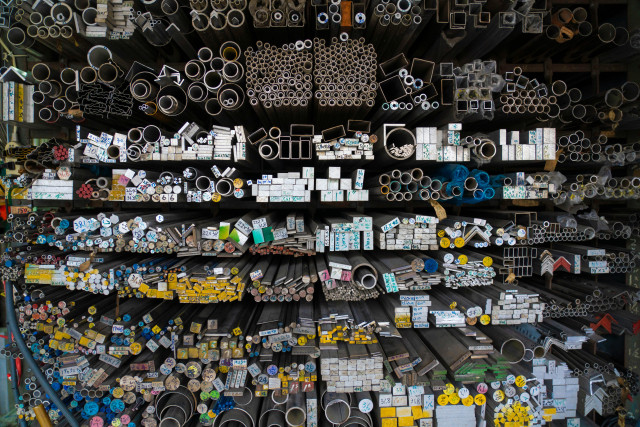
Cheapest Construction Materials in Pakistan – Affordable Yet Strong
The average Pakistani family now faces intensive financial challenges when constructing a house due to higher inflation rates and fluctuating economic conditions.
Constructing a sturdy house becomes possible when you carefully plan your project alongside affordable materials selection.
Constructing wise components needs an understanding of how materials match quality standards with cost effectiveness.
This blog examines the least expensive building materials present in Pakistan alongside their availability conditions and both favorable and unfavorable aspects along with application guidelines.
Bricks – The Backbone of Construction
Bricks represent the fundamental construction material Pakistan uses the most inside its territory.
Red clay bricks remain affordable while offering convenient distribution between the cities and across both city and rural territory.
You will find brick prices fall between Rs. 12 and Rs. 18 per unit throughout various Pakistan regions.
The construction industry welcomes fly ash bricks as well as concrete blocks because they combine strength with thermal insulation and display price advantages in select locations.
People choose Class-B bricks primarily because they offer lower prices than better quality uniform alternatives.
These affordable bricks contain shape and strength inconsistencies as common issues.
Cost and durability should create a balance when selecting brick materials because using poor-quality bricks leads to future building problems and higher maintenance and repair costs.
Bargaining for cheaper initial construction materials should be balanced by spending wisely on high-quality bricks which will save you maintenance expenses later.
It is wise to select proper materials at an early construction stage because this leads to better stability and safety along with reduced financial costs for the building's complete lifetime.
Sand and Crush – Essential for Structure and Finishing
Bajri which means sand and gravel serves as a necessary component for foundation work and floor installation and concrete mixture applications.
The rivers Chenab and Ravi supply Pakistan with the most inexpensive sand which also represents the dominant choice in the market.
The price of cubic foot measures from Rs. 30 to Rs. 60 according to quality standards and geographical location.
Concrete structures obtain structural strength from its combination with crushed stone or gravel.
Local hill crush or plain riverbed stone functions as an economical replacement for Margalla crush since foundations together with non-load-bearing construction can utilize it more affordably.
Local sourcing of sand and bajri reduces their transport costs therefore resulting in cost efficiency for these materials in building projects.
Cement – Finding Cost-Effective Brands
Every building construction needs cement to stay viable. Pioneer Cement and Bestway Cement along with DG Khan Cement provide quality cement at favorable prices compared to market fluctuations.
In 2024 a 50-kg cement bag exists between Rs. 1,150 and Rs. 1,250 in pricing based on brand and geographical area.
Purchasing bulk quantities together with making purchases during off-season periods has the potential to obtain price reductions.
The combination of cement with lime and fly ash removes both cost barriers while producing better workability abilities in plasters and masonry projects.
Steel – Smart Choices for Reinforcement
Your structure receives its framework from steel bars known as rebar. Steel prices fluctuate substantially since they arise from international market rates and currency valuation changes.
The price range for 60-grade steel bars reaches from Rs. 260 to Rs. 290 per kg in April 2025 yet steel of lower grades offers less expense yet endangers structure reliability.
The mixture of 40-grade steel enables homeowners to save costs for walls that do not carry loads and 60-grade steel accomplishes the same for slabs and beams.
The purchase of steel from production facilities at bulk rates leads to reduced kilogram expenses.
Gravel Blocks and Prefabricated Panels
Modern low-cost construction frequently uses gravel blocks along with cinder blocks and precast panels.
These materials improve speed of construction and lower the requirement for substantial labor force involvement.
You can build boundary walls and sheds and partition walls of homes by using affordable lightweight gravel blocks. Each block of the material costs between Rs. 45 and Rs. 70.
While precast panels feature high initial expenses they reduce overall construction timeline and decrease plastering expenses so builders obtain better value through long-term cost efficiency.
Affordable Flooring and Finishing Materials
Low-budget homeowners cannot afford marble for building materials anymore in Pakistan.
The local manufacturers Master Tiles as well as Sonex and National Tiles provide cost-effective ceramic tiles for residential use.
Local ceramic tiles range between Rs. 45 to Rs. 70 per sq ft yet imported tiles should be avoided for cost savings.
When builders choose lime instead of cement to plaster walls they obtain decent finishes along with insulation at a reduced cost.
The most budget-friendly painting option is distemper suitable for wall interiors yet exterior area protection requires weather shield or acrylic paint if possible.
Roof Options – Saving Smartly
Urban cities mostly use RCC slabs for roof construction yet smaller towns and villages can benefit from precast roofing slabs and T-iron with girder roofing and fiber cement sheets which reduce overall costs.
A price reduction of 30 to 40% exists for roof construction but it brings both heat regulation issues and reduced lifespan problems.
Water and Electric Fittings
The cost of local fittings produced in Gujranwala along with fittings imported from China proves lower than the prices of Porta and Faisal brands.
The careful handling of such alternatives leads to reduction in plumbing expenses through a 50 percent savings.
The selection of PVC pipes combined with local electrical wiring brands reduces overall expenses to a significant degree.
Many Pakistanis keep building a house as their lifelong goal yet inflationary pressures prevent this dream from turning into reality.
Over the past few years construction expenses have dramatically elevated because of inflation together with currency devaluation and imported item price increase.
The requirement of using economical building materials transcends from being an intelligent selection into an urgent practice within this present situation.
The following section investigates low-cost building supplies as well as demonstrates regional rate variations through seasonal purchasing advice and details actual budgeting approaches to optimize construction expenses in Pakistan.

Alternative Materials Gaining Popularity
Compressed Stabilized Earth Blocks (CSEBs)
Polymer cement blocks succeed from combining soil with sand and tiny amounts of cement.
The manufacturing process of these materials requires curing instead of brick firing which cuts down expenses on fuel and energy consumption.
The construction industry of Pakistan is adopting CSEBs as they fulfill both ecological requirements for rural homes and economic savings objectives.
- Cost Estimate: Rs. 25–40 per block
- Pros: Low-cost, eco-friendly, thermally efficient
- The disadvantages of these blocks include obtaining them can be challenging and they also need specialists who understand the production process.
Mud and Lime Plaster
The region of rural Punjab and Sindh and Balochistan mostly builds homes with mud bricks whose surfaces receive lime plaster finish.
These materials are obtained nearby and need minimal refinement which keeps their price exceptionally affordable for builders.
- The price of mud blocks starts from Rs. 25–40 per piece while offering a cost reduction of at least 60% against cement finishes.
- Pros: Excellent insulation, environmentally friendly
- Cons: Requires frequent maintenance, vulnerable to water damage
PVC and Plastic-Based Alternatives
The market favors PVC ceiling panels together with water pipes and low-cost vinyl flooring for fittings and internal finishing.
PVC fabricates products at affordable rates while presenting easy installation features and showing non-susceptibility to corrosion therefore making it appropriate for kitchen and bathroom interiors.
- The cost for PVC ceiling panels ranges between Rs. 110–160 per square foot in the market (PVC ceiling panels).
- Pros: Waterproof, low-maintenance
- When exposed to intense heat PVC starts to deteriorate while it does not match the durability level of metal or wood.
Bamboo and Wooden Alternatives
Bamboo regenerates in selected areas of Khyber Pakhtunkhwa and Gilgit-Baltistan because it functions as a powerful and budget-friendly resource for making fences and providing shade and supporting scaffolds.
Buildings that use local bamboo materials cost at least half less than metal and concrete structures in the same areas.
Smart Seasonal Strategies for Buying Materials
Timing is everything. Successful time-based purchasing leads to savings through this method:
- During the rainy period of July through August building activity decreases which creates price reductions for cement and gravel.
- Buildings get delayed during winter months which creates a favorable condition to purchase steel and bricks at reduced prices.
- Peak summer months from April to June can raise material prices through an additional 10-20 percent.
Practical Tips to Cut Construction Costs Without Sacrificing Quality
- The project should use Hollow Concrete Blocks for internal partition walls instead of traditional bricks because they offer lower costs and insulation benefits.
- A blend of imported tiles should be used for drawing rooms while local tiles should serve other areas.
- Prior planning of electrical and plumbing designing reduces the need for repeated work that results in waste.
- The project design should align precisely with actual requirements rather than exceed them. Additional square foot area creates additional expenses for the project.
- Local builders who possess extensive experience will enable individuals to reduce both material waste and maximize efficiency in material usage.
Government Incentives and Subsidies
There are now tax-related benefits on construction materials available to encourage affordable housing developments in certain Pakistani regions.
When constructing through the Naya Pakistan Housing Program or similar registered scheme you can secure tax reductions for cement products along with steel materials and possibly obtain favorable construction loan interest rates.
Residents of Multan Faisalabad and Bahawalpur benefit from government auctions of cheap plots which allow them to decrease their expenses on land combined with construction costs.
Environmental and Long-Term Cost Benefits
The cost of something does not directly correlate with its quality rating.
Kinds of inexpensive construction materials such as CSEBs, lime plaster and clay tiles provide natural insulation for your house which results in decreased power bills and enhanced interior comfort during Pakistan's typical hot summer and cold winter seasons.
Such energy conservation measures eventually create financial returns.
Fly Ash Bricks Represent A Growing Substitute
The market is embracing fly ash bricks because the bricks use coal power plant waste and offer cost savings and lightweight features and environmental sustainability benefits.
Using these bricks leads to enhanced insulation properties while producing consistent dimensions that need minimal plaster installation.
- Each fly ash brick costs between Rs. 8 and Rs. 10 as compared to Rs. 12–16 for red bricks.
- Strength: More resistant to water seepage
- Durability: Long lifespan with lower maintenance
Several low-cost housing projects located in Lahore and Islamabad currently select fly ash bricks because of their economic advantage along with superior performance characteristics
Local Tile vs. Imported Tile: A Practical Comparison
Spanish or Chinese or Italian floor tiles come with a price tag between Rs. 300–800/sq ft yet tiles produced within Gujranwala and Lahore cities can be purchased for Rs. 90–180/sq ft.
Local production companies have achieved quality standards that are almost identical to those of imported tiles despite their superior designer options.
Apply high-quality local tiles in all bathroom areas and kitchen spaces and drawing room designs and guest lounge layouts should have imported tiles instead.
Hidden Construction Costs You Can Avoid
The smaller expenses of construction cost substantially more than people realize when they focus only on buying bricks and cement.
- You can prevent additional charges by using rented shuttering and scaffolding materials yet returning them on time.
- Rural workers from nearby areas with experience who are not members of professional associations make affordable crews and maintain the same level of competence.
- Proper cement and sand management must lead to storing materials in covered dry conditions to avoid at most 10% waste.
- Your financial expenditures will decrease when you purchase large quantities of materials close to your construction site because of reduced fuel expenses and decreased delivery fees.
Cost-Saving Construction Techniques
Your construction expenditure can be reduced through both material price reduction alongside efficient building techniques.
1. Pre-Fabrication
Man-made construction elements including walls and panels have become increasingly popular throughout Pakistan to build commercial and other temporary facilities.
The production processes happen off-site which allows on-site assembly leading to waste reduction and speedier construction work.
2. Load-Bearing Walls
For single-storey or low-rise houses developers should look into building with load-bearing walls instead of traditional columns and beams (RCC frame).
The walls reduce material requirements since they do not need heavy steel reinforcement or extensive materials.
3. Single Slope Roof
The cost-effectiveness of sloped roofs that require minimal reinforcement makes them better alternatives to flat RCC slabs thus being prominent throughout southern Punjab and interior Sindh.
Such structures withstand rain well and absorb less heat from the environment.
Region-Specific Recommendations
Materials in different parts of Pakistan adopt specific choices that depend on what local resources exist together with local weather patterns.
- People in Sindh who reside in Hyderabad and Sukkur can benefit from building their houses with walls constructed from lime and mud and roofing them with hand-woven materials for reduced costs and comfortable interiors.
- Builders in Balochistan (Quetta and Turbat) should use inexpensive mud bricks together with stone wall materials which resist weather damage effectively.
- The typical Swat/Mardan houses utilize wooden rafters, bamboo shading and stone flooring which both are affordable and traditional.
- The combination of concrete blocks with lime plaster stands as a realistic and enduring choice for climates that experience hot dry conditions in Punjab areas like Bahawalpur and DG Khan Region.
Conclusion
Building a home stands as a substantial monetary commitment throughout an individual's life in Pakistan especially because ongoing economic turbulence, rising inflation affects home building expenses.
The process of building a home does not need to be restricted to high costs which prevent ordinary people from pursuing this dream.
Planning carefully together with strategic material choices and thorough knowledge of available local resources makes it achievable to design both structurally sound and affordable houses with attractive visual appeal.
This blog review demonstrated multiple budget-friendly building materials in Pakistan which include fly ash bricks alongside lime plaster and precast panels as well as local tiles.
These substitution options decrease both the initial construction expenses substantially and lead to reduced maintenance expenses as well as environmental impact over time.
Concrete blocks together with PVC windows and local flooring choices make ideal cost-effective substitutes for traditional building materials while maintaining both structural integrity and product endurance.
Our research examined how regional differences and local climate influence material selection as well as the significance of uncovering hidden expenses and how pre-fabrication maximizes productivity and the educational value gained from analyzing actual project successes.
You should select materials that support your location while matching your budget requirements and future requirements rather than always going for the least expensive materials for affordable construction.
Affordable housing construction practices have become indispensable since land prices persist steady and residential demand keeps rising.
Understanding the Pakistan market for cost-effective building supplies enables you to cut down housing costs by thousands of rupees while developing buildings that operate efficiently rather than just being economical.
The true reflection of innovative community-based planning and design together with cost-effective materials reveals itself as affordable housing quality.
The implementation of smart construction practices alongside financial resourceful materials enables Pakistanis to construct enduring and sustainable residences with enduring affordability for upcoming generations.



-3dkuLgKhRD.jpg)
-49HupTvwDD.jpg)







LEAVE A REPLY