

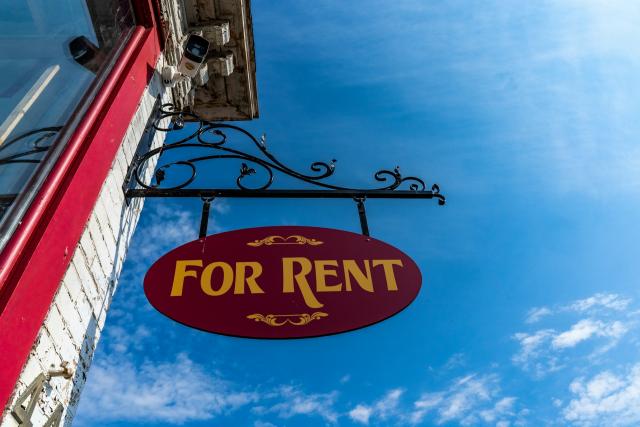
Build-To-Rent Affordable Communities: Investor's Guide
The housing market's recent shifts include increasing home prices, evolving lifestyle preferences, and a heightened demand for flexible living arrangements. One outcome of these changes is the growing focus on real estate investment—the build-to-rent (BTR) model. Another developing innovation is focused on something that has traditionally been aimed toward higher-income renters: ‘build-to-rent’ affordable communities. These communities seek to deliver quality housing to low-to-moderate income households, balancing affordability with comfort, stability, fostering a sense of community. From an investment standpoint, these opportunities offer significant long-term returns in conjunction with valuable social impacts.
Amid urban-suburban blurring boundaries and the rising need for affordable accommodation near major cities, there is increased interest in BTR affordable communities and investors are more robustly realizing their importance. In contrast to speculative single family residences or luxury high-rise apartments—they come with stable occupancy rates and governmental incentives, making them economical while meeting a mounting industry-wide construction demand as well as ESG portfolio diversification giving guaranteed returns. However rational investing in this niche needs expert knowledge around macro analyses including political regulations and legal structures bound to the region alongside development challenges revolving emerging market trends.
In the case of this document, it will empower investors with in-depth information related to exploitable opportunities that lie within the construction and renting of affordable communities. We’ll explain the model fundamentals as well as its economic and demographic demand drivers, outline the risks versus rewards associated with investing in the sector, identify critical success factors, and discuss how to succeed. This guide is useful for both veteran real estate investors and beginners entering into more sophisticated markets; all readers are assured sharp insights needed to make strategic decisions.
Understanding the Build-to-Rent Affordable Model
The build-to-rent (BTR) model describes residential projects that are intended exclusively for leasing, as opposed to being built for sale. BTR communities differ from conventional rental housing in the form of scattered owned units across neighbourhoods, as they are purpose-built and professionally managed with long-term leasing strategies in mind. Having an affordability perspective, BTR targets try to balance rents that essentially cater to working families, essential service workers who do not qualify for subsidized housing and priced out of market-rate options.
Affordable BTR communities usually take the shape of single family homes, townhouses or clusters of low-rise apartments designed to offer community-building and foster stability within neighborhoods. Focus on construction and energy efficiency deem these developments located in accessible suburbs or peri-urban areas assuring proximity to public transportation, schools and employment centers. The appeal of living in these communities is privacy along with ample space combined with amenities associated with homeownership but without incurring financial burden or inflexibility tied to purchasing a home.
From the standpoint of capital allocation, the more affordable BTR models stand out because of their defensive qualities. These rentals are valued by long-term tenants who prefer stability and community. Occupancy rates among these rentals are persistently high because of chronic undersupply of affordable housing in the country. Moreover, compared to luxury rentals, tenant turnover is significantly lower. Additionally, communities’ those serve important public policy objectives and thus are eligible for tax incentives or low-interest financing—or even public-private partnerships in some areas.
The operational model focuses on long-term asset performance instead of short-term profitability. To sustain a certain level of service quality, institutional property managers are often hired, while developers and investors enjoy stable cash flow and capital appreciation. Over time this model also has scalability as one learns from replicating other communities which can then be adapted to different geographies and market conditions.
Market Drivers and Demand Trends
A confluence of demographic, economic, and societal factors are driving the increasing need for build-to-rent affordable communities. One of the major factors is the more than sustained over-outpacing available subsidized housing in major metropolitan areas and smaller towns. As home prices and rental rates outstrip income growth, Americans struggle to access market-value housing. Concurrently, there is a shortage of subsidized housing, creating a large affordability gap. This “missing middle” segment—comprised of service industry employees, young professionals and families as well as mid-career professionals like nurses or school teachers—captures significant untapped demand.
The effects of demographic change further exacerbate this need. The highest living generation are now millennials who are entering their household formation decades, but due to facing high home prices and burdened with student debt, many prefer renting long-term. At the same time, baby boomers are downsizing while searching for low-maintenance suburban lifestyles that come with community amenities. Thus, the BTRs affordable communities can also be sure that there will be always a steady flow of tenants because of both necessity-based younger renters and age-based renters.
Transformations to the lifestyle preferences coupled with work remotely have also contributed to it. The pandemic has escalated the migration towards sparsely populated locations to suburban and exurban areas Renters now look for private yards, home offices, and living spaces—features typically found in BTR communities rather than in downtown apartment high-rises. These changes have enhanced the attractiveness of BTR developments beyond urban boundaries where land is less expensive and construction costs are lower.
From a macroeconomic view, inflation, volatility in interest rates, and limited housing supply sustain the long-term affordability of the BTR model. With increasing mortgage rates, there is a shrinking pool of prospective homeowners, resulting in more potential renters. At the same time, institutional investors are allocating more capital towards real estate assets that provide stable income during equity and bond market volatilities; especially value “out-of-favor” real estate with strong income properties that hedge against inflation. Affordable BTR communities match this strategy well by delivering reliable rental yields adjusted for inflation with less risk than speculative development or rentals priced

Investment Mechanics and Financial Performance
Social impact and financial returns are both key elements in funding the construction of affordable communities that cater specifically to renters. Different categories of investors will participate in various phases such as land procurement, property development, stabilization, or asset management. Each phase has its own cost consideration and risk profiles. Thorough market research, optimal location assessment, and accurate cost projections ensure the priced rentals for those units can remain accessible while still delivering profitable value recovery is an integral part of successful investment.
A combination of equity securities, debt financing instruments, or even public subsidies can make up the capital stack. Commercial banks and private equity funds do not usually operate alone; they are frequently extended credit by housing authority nonprofits as well as LIHTC and new market tax deductible credits. These funding schemes cut down equity levels while greatly increasing return on investments. Sometimes towns take it a step further by slashing permit costs or speeding up project approval processes to counterbalance the reduced rental expenses.
As with any property, rental income is the key driver of cash flow, and conservative underwriting is critical. Income should be no less than the business’s operating expenses, debt service, and investor return payouts while also being within affordability thresholds like Area Median Income (AMI) for the region. Operating costs—especially maintenance, management, and insurance—need to be more tightly controlled to maintain sufficient margins. Partnering with seasoned operators enhances investor returns by improving leasing and tenant retention as well as maintenance.
Business performance can usually be reviewed through IRR (internal rate of return), equity multiple, cash-on-cash yield and others. Rather than explosive high-risk development returns, BTR affordable communities provide strong consistent long-term performance. During economic downturns, these properties are more resilient due to increased demand for affordable rentals which makes them desirable for income-focused investors or funds with longer investment timelines.
Every investor has a different reason for executing an exit strategy. While some prefer to hold assets waiting for income, others may sell these stabilized communities to institutional purchasers or transform them into REIT assets. Aggregated portfolios can also boost valuation by collection of Built-to-Rent (BTR) properties that are branded and managed under one system which makes them more appealing to potential investors. Moreover, increasing participation from pension funds, sovereign wealth funds, as well as ESG (Environmental , Social and Governance) focused investors have broadened the sphere of possible buyers which in turn boosts liquidity along with exit strategies.
Navigating Challenges and Mitigating Risks
Though the build-to-rent affordable segments presents lucrative prospects, it comes with various difficulties. Factors such as regulatory obstacles, cost burdens, and operational intricacies can affect profitability margins and delay project completion timelines. Investors face the challenge of accurately estimating risk exposure, proactively deploying strategies to protect capital and ensure beneficial outcomes.
Zoning laws and land use regulations are notable among the common barriers. Many geographical regions have a preference for single-family housing over rentals or multi-family dwellings, restricting the type of housing that can be constructed. Securing entitlements for affordable BTR projects often necessitates interactions with local planning boards, community members, and public officials. Developers who prove the benefits of their projects—reduced traffic congestion or improved school enrollment—are more likely to receive approvals.
Another critical obstacle is construction costs. Budget forecasts and timelines may be negatively impacted due to inflation, labor shortages, material scarcities, and disruptions in supply chains. Affordable BTR projects are even more vulnerable to strict tenant expense controls due to rent ceilings necessitating effective cost control measures implemented through modular construction, value engineering, procurement in bulk, or other quality-preserving strategies. Strong relationships providers along with experienced general contractors significantly improve project success rates. Operationally, affordability constrains spending while enhancing a tenant's experience builds value. Staff training should address the unique needs of these tenants such as payment options, conflict management, and community involvement. Preventative maintenance along with security and information flow sustain turnover reduction and asset depreciation protection.
Shifts can also occur from external factors; Economic downturns, changes in demographics, or new policies might alter demand or increase prices for goods and services offered. Financial models need to be adaptive through scenario planning and stress testing to ensure resilience within budgeting frameworks. Also helpful would be diversifying investments into different regions or asset types, along with varying income levels that could reduce localized risk.
Reputational risks can have emerged impacts worth consideration not overlooked. Funds committed to investing affordable housing are increasingly scrutinized by their social impact ESG considerations due to reputational risks emerging from unethical business dealing harms transparency alongside community acceptability. Projects deemed as socially extractive suffer backlash coupled with legal action reducing profit margins through policy change perceived as socially responsively extracting profits without reinvestment.
Building a Scalable, Impact-Driven Investment Strategy
A well-planned, strategic social impact investment approach is necessary for investors looking to expand their participation in building cost-effective rentable community housing. Replicability, operational efficiency, and coherence with both financial and social goals serve as the linchpin to enduring success. An overarching, robust framework that provides lasting value across diverse markets must be constructed rather than focusing on single endeavors.
Creating a portfolio of build-to-rent (BTR) communities under a single brand with a distinct design language, amenity package, shared philosophy of management, branding and consistent execution offers an effective solution. Standardization enhances tenant loyalty alongside bolstered brand equity while simultaneously improving development costs and operating expenses. Enhanced margin returns for investors coupled with scale expansion in marketing, staffing and procurement lead to sustained valuation over time through this approach.
Investor collaboration with mission-aligned housing non-profits and local government developers are essential for unlocking scalable growth; those partnerships tend to offer land access plus invaluable community goodwill hard to find elsewhere bringing along some incentives too. It is possible that public private partnerships or joint ventures may present more efficient avenues to growth around high-barrier market zones. Technology is important in scaling impact. Improved tenant engagement and property management systems, as well as data analytics, can improve operational efficiency and drive better decisions. Investors are now able to make portfolio-wide improvements using data analytics for occupancy levels, rent collections, maintenance cycles, and resident satisfaction.
For ESG-focused funds or institutional investors, impact measurement entails a greater level of scrutiny. Affordability benchmarks along with other vital metrics such as tenant income profiles, community engagement activities, and reduction in carbon footprints should be monitored and published on a consistent basis. For increased investor confidence while standing out in competitive markets, publishing clear impact reports becomes immensely valuable.
This ultimately contributes towards the creation of a flywheel growth: projects attract new capital that enables expansion which leads to successful projects further building credibility and attracting new partners. BTR affordability stand-alone pioneers will benefit from superior access to deal flow while shaping market benchmarks as the sector matures having proven their track records first.
The Role of Policy and Government Support in Shaping the Sector
Government policy fundamentally impacts the success and scalability of build-to-rent affordable communities. Public sector support, in the form of zoning changes, tax incentives, direct subsidies, and financing mechanisms deals with both feasibility and profitability dimensions. For investors, navigating the policy landscape is not a peripheral concern; it integrates deeply into strategic planning and risk mitigation frameworks.
The most impactful areas include zoning and land use regulation. Many municipalities still retain outdated zoning policies that prohibit multifamily or rental housing in high-opportunity areas. Local up zoning reforms, inclusionary zoning, as well as density bonuses tend to expand opportunities for BTR affordable projects. Early movers adapting to these regulatory shifts will allow themselves to capture first-mover advantages in unexplored markets ahead of broader competition stagnation.
Financial incentives also constitute another vital area marked by programmatic gaps within local strategies. Underfunded equity and debt tools for developers hampered through Low Income Housing Tax Credits (LIHTC), tax-exempt bonds, or HUD’s HOME Investment Partnerships can be alleviated by municipal land grants or below-market land lease agreements which reduce development costs significantly. Building strong relationships with local housing agencies enables reducing bureaucratic friction concerning access to these programs which grants streamlined entry to successful investors.
Achieving targets set by local governments for affordable housing is now more aligned with ESG goals, as these governments intend to collaborate with private investors. Community support along with policy incentives tends to favor investors demonstrating measurable social outcomes—like units allocated for teachers, seniors, or veterans. Given that housing continues to hold political attention, it is expected that jurisdictions will expedite processes and create funding frameworks supporting cost-effective BTR development.
This active targeting of regulatory public sector relations calls for a shift from passive responding amongst investors within the frame of evolving policies. Addressing the red tape strategically will reap rewards ranging from meaningful contributions towards long-term housing solutions all the way to realizing unbounded value in a proactive manner.
Conclusion
The build-to-rent affordable communities model combines investment potential with social good in a unique way. Investors who operate within the housing market will find rich opportunities to invest both capital and resources as affordability continues to be a problem facing our society as a whole. There remains high demand, scope for new markets, and tools at one’s disposal to succeed if only they are willing to tackle the problems head-on.
This guide covered the most important features of affordable BTR including key drivers of demand, impacts of investment, issues that surround its implementation, as well as pathways towards scalable growth. Such ventures are not without challenges but through principled perseverance paired with a multidisciplinary approach and systemic thinking can unlock new horizons that transcend fiscal returns via multi-dimensional social integration leading to community enrichment while bolstering brand reputation.
For investors eager pursuing fresh ideas await urgent action; everything needed to create build-to-rent affordable communities already exists. What is now needed—besides marketing—is willingly following through stategies crafted for impactful outcomes directly benefiting their targeted audience at multiple levels.
Also Read: Rental Laws in Pakistan: Tenants & Landlords’ Rights




-3dkuLgKhRD.jpg)
-49HupTvwDD.jpg)









LEAVE A REPLY