

Affordable Housing Solutions for Rural Pakistan
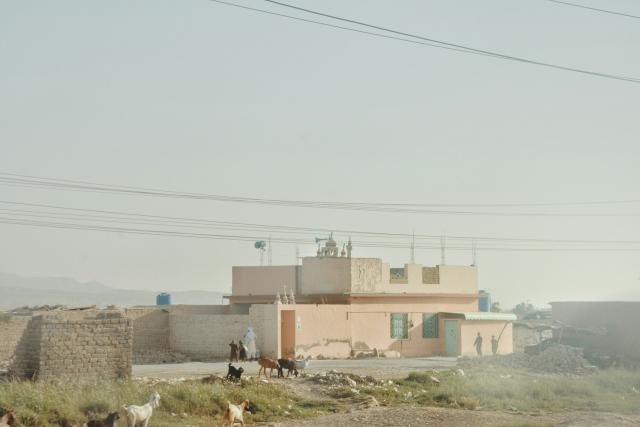
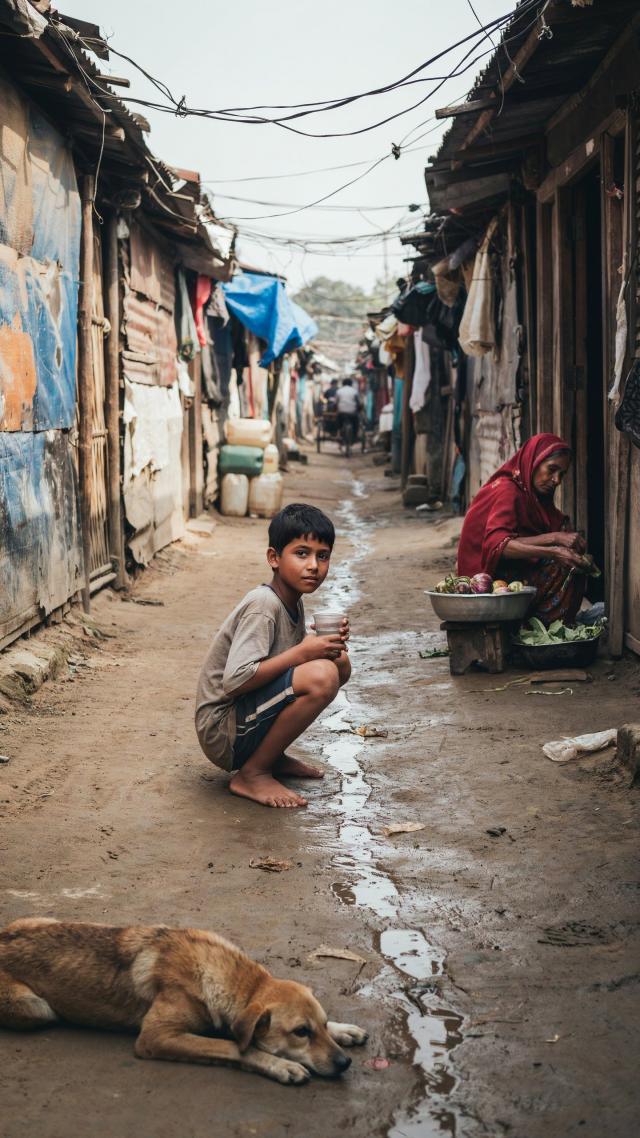
Rural residents amount to about 63% of the total Pakistani population even though rural housing has consistently been ignored in national development strategies. People in millions of rural households in Pakistan reside in hazardous housing structures consisting of mud walls along with unbaked brick and wooden elements that are easily destroyed by severe weather and disasters. Rural houses pass down through numerous generations without professional architectural involvement making them highly prone to natural disasters including floods and earthquakes and seasonal weather effects.
The Rural Housing Crisis in Pakistan
Rural regions across the world suffer from insufficient housing foundation development. Livelihoods in rural areas lack either the few existing or completely nonexistent access to clean drinking water as well as sanitation services alongside electrical connections and suitable roof protection. Families who live together share one single room inside these houses while receiving minimal privacy along with no home comforts. Health problems build gradually because of these issues and they interfere with educational success and diminish people's general welfare.
The housing crisis within our nation operates as an economic problem as well as a social challenge. Residing in substandard housing exposes individuals to more medical risks while making them less effective in work and prompting them to move toward better living areas in cities. The continuous movement of people within the country drives the expansion of urban ghettos which leads to substantial strain on cities currently handling high populations.
Policy makers pay significantly less attention to rural housing development as they do to urban development. The government's housing programs normally fail to construct housing in remote areas because of limited infrastructure and corruption and inadequate outreach. The steadily increasing prices of construction materials together with high inflation levels have transformed affordable rural building into a task beyond the financial capability of ordinary rural families.
The solution to this crisis requires Pakistan to implement versatile and economical housing solutions that match rural living conditions. Affordable yet sustainable methods which align with cultural traditions and resist natural disasters need to become the main priority.
Low-Cost Construction Materials and Techniques for Villages
The definition of affordable housing in rural Pakistan extends beyond low-cost construction because residents require locally sourced sustainable building materials which suit regional climates and traditions. Various traditional and modern building solutions exist which suit rural settings.
The preference for mud bricks together with compressed earth blocks (CEBs) continues mainly because of their local availability and their insulation capabilities. The durability of conventional mud houses improves tremendously when stabilized mud blocks made with small cement or lime additions (SMBs) are used. The material is budget-friendly to produce and simple to construct while performing well in hot regions including Tharparkar and Multan.
The material bamboo shows great potential for use in Gilgit-Baltistan and KP because it serves as a timber replacement. Bamboo proves ideal for earthquake areas since it grows rapidly and provides excellent strength and flexible properties. Correct treatment methods allow this material to serve as both structure and decoration for extended periods of decades.
Construction time shortens significantly through the combination of precast concrete panels and light-gauge steel framing (LGSF) which provide modern low-cost solutions for building structures with strength as a main feature. The initial costs of these materials diminish when comparing their long-lasting qualities which make them suitable selections for government-backed programs.
Cost reduction can be achieved by using thatch roofing along with materials constructed from recycled wood pieces and tin sheets and reclaimed tiles. Through joint community grants and NGO partnerships residents of rural areas are able to purchase affordable solar panels which enable them to produce their own electricity without external power sources.
The implementation of vernacular architecture for construction using local cultural design preferences and wind pattern insights and soil characteristics must be integrated across all rural building solutions. Visible designs that incorporate courtyards for warmth regulation alongside thick walls for heat insulation and sloped roofs for rain protection must be both protected and enhanced.
Low-cost housing projects could advance through government and NGO support which provides training to rural masons and laborers about modern building techniques to use local resources effectively. Rural residences built by employing traditional building techniques together with contemporary scientific approaches will result in houses that deliver comfort along with respect while meeting housing needs of families.
Role of Government and NGOs in Providing Rural Housing
The Government of Pakistan along with non-governmental organizations (NGOs) need to implement strategic interventions to successfully address rural housing issues in Pakistan. Both sectors need to actively participate because of their fundamental tasks in finance as well as their responsibilities toward community empowerment and knowledgeable training while overseeing the process.
The Naya Pakistan Housing Program (NPHP) started as a national housing shortage solution yet its rural application has proved difficult to manage. Programs aiming to create substantial change need to focus first on underdeveloped regions along with standardized guidelines for allocating land and providing discounted construction resources. They must also establish transparent process for distributing housing units to residents.
Financial incentives which include minimal interest microloans jointly with grants together with material subsidies will support low-income families to construct or remodel their residences. The successful community-driven housing projects which use volunteer labor exchanges for lower housing costs operate successfully in numerous nations and could become applicable to Pakistan.
Numerous nongovernment organizations serve as leaders who have created economical housing solutions which resist calamities. Several organizations built entire groups of communities during the periods following the 2005 earthquake and 2010 floods by utilizing materials such as reinforcing mud and bamboo with added corrugated steel. The achievement of these projects showed that designed properly combined with community input would produce both affordable housing solutions and resilient designs applicable multiple times.
The UNDP along with Akhuwat and Pakistan Poverty Alleviation Fund (PPAF) can increase their rural housing development support through conducting workshops and providing technical training opportunities together with implementing model community building projects. Rural housing programs succeed in the long term when local communities manage the scheme independently.
The government should work jointly with prefab housing firms to develop housing packages for distribution to villages requiring these structures. The construction process becomes faster and cheaper and achieves higher insulation capability and better disaster protection through these components.

Empowering Communities through Sustainable Rural Housing
The main purpose behind rural housing development extends past shelter provisions to create empowered villages through better living standards and economic growth along with community stability. A well-designed village home gives both physical protection to residents and social benefits through confidence building and productivity promotion and community bonding.
Sustainable housing solutions require they have their focus on communities and their specific needs. Local residents must remain active participants throughout planning stages because their involvement helps create homes which mirror community beliefs and households patterns while satisfying specific neighborhood requirements. Through community participation the model boosts acceptance rates while promoting upkeep work and building community competencies. Through training programs focused on construction, carpentry and renewable energy installations rural youths will create expanded career opportunities.
Sustainable housing depends heavily on the concept of resilience. Rural houses should possess resilience to withstand the escalating effects of climate change which include increasingly severe floods alongside droughts and erratic temperature variations. Rural properties will stay intact through floods with the implementation of tested foundation types and elevated building sites and locally verified construction practices.
Rural housing plans should include access provisions for basic amenities including solar lighting systems hand pumps toilets and clean cooking stoves. Hygiene and sanitation upgrades deliver both improved health results and lower responsibilities regarding water and firewood collection among women and children. Sustainable rural families deserve formal property rights including tenant farmers and nomads. Homes that receive official documentation allow families to obtain loans and improve their properties and secure protection from home evictions.
Visitors can see multiple community facilities in model villages which serve as examples for replication. Housing development for rural communities establishes both physical and emotional connection between residents which leads to progress. People who witness visible improvements in their living environments invest their land better and send their children to school while becoming more involved with local governance. For complete rural transformation housing serves as an essential basis.
Climate-Responsive Design for Rural Housing in Pakistan
Rural housing in Pakistan needs to accomplish sustainability in addition to its affordable construction. A standard approach cannot work in Pakistan because the nation's various climatic regions span from Gilgit-Baltistan's mountain climate to Sindh's desert environment and Punjab's monsoonal climate conditions. Climate-responsive housing design demonstrates understanding of diverse climates through its implementation of local building characteristics together with ventilation systems and design techniques and heat-retention strategies.
The local architecture of interior Sindh and Balochistan requires buildings to use thick mud and stabilized earth block walls with small shaded window placement to support ventilation through open courtyards in order to deflect heat accumulation. Modern engineering support brings contemporary safety measures and extended lifespan to age-old traditional architectural elements which have existed since the historical era.
People living in the cold areas of Swat Mountain and Skardu need houses designed to maintain heat inside their homes. House owners in cold regions should perform roof insulation alongside draft sealing and utilize sun-exposed windows to accumulate daytime passive solar power. Because they cut energy loss even with basic construction standards double-glazed windows and insulated panels prove effective in heat retention. Passive solar heating within building design reduces the need for wood-burning stoves and produces better indoor air quality.
The regions of southern Punjab and KPK that experience frequent flooding need their constructions to be built on raised platforms as well as require drainage ducts and water-resistant building materials. The testing of secure floating homes built on water-resistant platforms allows properties to follow floodwater elevations without risking destruction in South Asian countries.
Orientation of the home also matters. House owners in hot climates must position their homes toward east-west directions to prevent solar heat entry. Verandas with shading together with roof overhangs and carefully positioned landscape trees serve as natural air coolers throughout the premises. Installing walls combined with strategic landscaping acts as an effective method to reduce outdoor wind exposure through passive measures while cutting off energy usage.
A responsive home to climate makes use of regional materials which perform well under present weather conditions. For instance, stone in the north for insulation, mud in the plains for temperature regulation, or bamboo in humid areas for airflow. The utilization of these materials promotes sustainable principles and lowers development expenses and supports local economic development.
Local community members who work as masons and engineers alongside construction builders can start building climate-friendly homes in rural areas through proper education training. NGO programs and university classes and vocational institution training materials must establish rural building education which combines both modern building science with local indigenous construction practices.
Climate-responsive design implementation converts rural dwelling into spaces which are both economical and adapted to natural climatic conditions and resilient against future disruptions. Rural families benefit from this approach through energy savings which decreases health risks and equips communities against rising climate change impacts including heat waves and floods and chilly outbreaks. Long-term investments in this type of housing lead to decreased expenses for disaster recovery programs and health service costs as well as public reconstruction initiatives.
Economic Impact of Affordable Housing in Rural Development
Rural housing affordability creates economic expansion beyond basic roofing function which elevates country communities and stimulates region development. The purchase of a durable secure house together with essential utility services creates substantial economic advantages for homebuyers by helping them build savings. The economic changes flow directly from the shift to affect local employment statistics while promoting better educational and health outcomes in the community.
First, construction itself generates jobs. The construction of housing installations along with prefabricated structure assembly and solar power installation depends on local skilled technicians who include manual workers and builders along with carpenters and electricians accompanied by transportation providers. Community-based construction projects enable money to stay active locally instead of moving to major contractors based in cities.
Improved home quality leads residents to reduce their expenses on house maintenance and heating systems while minimizing healthcare costs. The combination of roofs that leak and floors that become damp with inadequate ventilation causes people to develop respiratory problems as well as contagious waterborne diseases. Families who resolve their housing problems can choose to invest their limited resources in small businesses or farming equipment together with paying school fees.
A properly constructed home provides homeowners with a usable economic tool through which they can generate income. Many rural properties in Pakistan act simultaneously as shops in addition to serving as sewing centers and cattle shelters and storage facilities. Better construction of homes creates expanded spaces which enable women to establish safe home-based businesses. A woman with appropriate living space and good ventilation can initiate home-based tailoring or run an educational service thus adding value to family finances.
Enhanced residential properties contribute to better student classroom presence alongside better educational results. Quality housing that includes suitable sleeping arrangements and studying locations together with health facilities lead children to succeed better in their academics. The elimination of child labor becomes feasible when families receive better housing because they no longer need child workforce to pay off housing expenditures.
Affordable housing programs promote microfinance and rural banking activities throughout communities at a national level. Small loans or credit become accessible to families upon receipt of house ownership documents and secure land titles. Organizations that obtain financial resources through these loans can enlarge their agricultural operations and purchase livestock while launching new businesses thereby beginning an economic expansion path.
Communities that offer safe housing minimize the movement of people from rural areas to cities. People migrate from villages to cities mainly because their villages lack acceptable residential standards. Rural families who receive dignified living opportunities with access to clean water and electricity and quality housing will likely stay living in their villages while supporting local development and alleviating urban center pressures.
Proper housing prices lead young people and former residents to stay within their hometowns. Young adults who worked in cities earlier will move back to their hometowns to construct their fresh existence whenever the region offers proper housing and services. The addition of new residents brings different abilities and innovations with entrepreneurial development to rural regions.
The long-term economic stability of a region depends on investing in rural housing development. The investment in proper housing infrastructure creates strong community relationships and boosts property appraisal while developing robust working citizens across the area. Residential spaces function as more than just fundamental necessities because they establish the economic framework from which lives develop alongside dignity and fulfillment of hopes and dreams.
Conclusion
Rural Pakistan requires affordable housing as a basic fundamental requirement and a basic human right at the same time as a development objective. The deep-rooted village housing crisis remains a problem Pakistan can overcome with challenging but viable solutions. Sustainable housing delivery at any rural location remains achievable through a combination of low-cost construction methods using domestic materials under government backing and active local participation.
The essential solutions for progress involve innovative practices together with community-based partnership and self-empowerment. The development of prefab housing together with mud-block construction and bamboo structures and hybrid building systems brings promising solutions. Range of training programs in addition to production investment and strategic financial solutions will help transform these innovations into nationwide implementation.
National rural housing improvement requires joint efforts between public institutions, non-profit groups, private enterprises together with community members. Enhancing rural housing in Pakistan creates sustainable progress through building walls and roofs which together generate lasting hope and resilience and prosperity for future generations.




-fEgofDq46v.jpg)
-chDiRoBKHP.jpg)









LEAVE A REPLY