

Affordable Housing: The
Next Big Opportunity for Nigerian
Developers
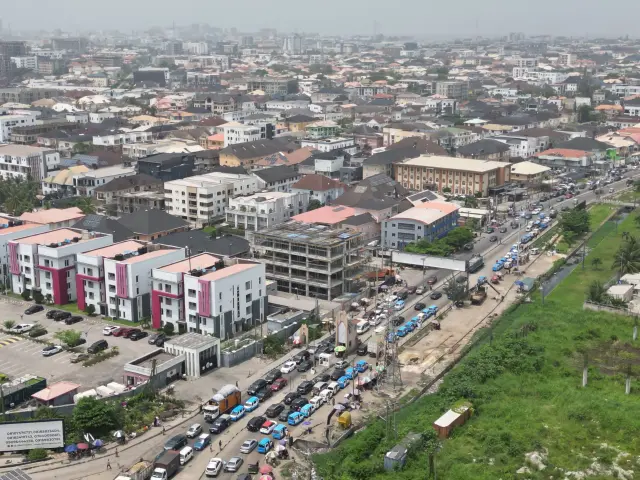
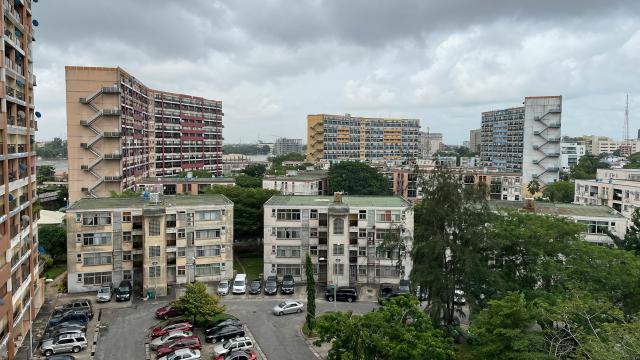
Nigeria is experiencing an acute housing deficit that is estimated to be above 17 million housing units and most of the population cannot afford proper and affordable homes. This has been aggravated by rapid urbanization, population increase, and rural-to-urban migration that have led to a huge strain on the available housing and urban infrastructure.
 Affordable housing as such has emerged as one of the crucial areas of concern
for policymakers, individual developers, and investors aiming at meeting such
escalating demands.
Affordable housing as such has emerged as one of the crucial areas of concern
for policymakers, individual developers, and investors aiming at meeting such
escalating demands.
Adequate housing is not only a social need, but it is also a great economic prospect. To developers it is a huge, untapped segment of the market, since a significant part of the population makes below the income levels of the high-end residential projects.
Affordable housing has become the
new frontier to the real estate industry in Nigeria with the potential to
address the low- and middle-income earners and at the same time achieve
sustainable returns.
However, the affordable housing development in Nigeria has several challenges despite its potential, which include high costs of land, access to finance, regulatory barriers, and lack of infrastructure.
Regulation
of these barriers entails concerted actions by the government, other
stakeholders in the private sector and financial institutions along with
creative methods of design, construction and financing.
The blog discusses the opportunities in the development of
affordable housing in Nigeria in relation to six key themes, each of which will
cover the essential features of the market, the problems, and the possible ways
of success.
Housing Deficit and Market Demand
The housing crisis is a social crisis and huge market prospect
in Nigeria to the developers. The shortage of more than 17 million units is
highest in the urban cities like Lagos, Abuja and Port Harcourt where the rate
of population increase has exceeded the supply of housing. Most of the urban
inhabitants, in particular low and middle-income earners, are in high need of
affordable homes.
The competition has been exacerbated by the population explosion and the migration of more people to urban areas where there are very few housing units. Nigerians are being pushed to informal settlements which have poor facilities, overcrowding, and lack of tenure security.
This scenario
not only marks the social necessity of affordable housing, but also indicates
that there could be a market with those developers who will offer affordable
solutions.
Shifting household dynamics also influence the market
demand. The nuclear families, young professionals, and single-income household
are moving towards small affordable units in the cities. The population pattern
is an opportunity to developers to develop housing solutions that can
accommodate such needs without being very expensive.
The intricacies of the housing demand are important to
understand by the developers. It involves in-depth research of the market,
income level analysis, and preferred location. The developers will maximize the
occupancy rates as well as provide sustainable returns on investment by a
balance between the project design and pricing and the real demand.
Government Policies and Support Mechanisms
The policies of the government are very critical in
influencing affordable housing in Nigeria. Efforts like the Federal MortgageBank of Nigeria (FMBN) programs, National Housing Fund (NHF) and other state
based housing programs are being targeted to encourage access to housing
finance and participation of the private sector in the development of
affordable housing.
Tax incentives, grants and public-private partnerships (PPPs) are becoming an increasingly popular approach in order to lower the cost of development and stimulate investment. Those developers who know and make use of these policies can create quite a saving in the cost of the project and promote associated profitability.
As an example, PPP models would enable the
investors to share their risk of investing in real estate, with the developers
having the opportunity to get access to the best land and infrastructure
assistance by government organizations.
These efforts notwithstanding, bureaucratic inefficiencies and uneven execution of policies have curtailed the usefulness of government assistance. Projects can take long to be approved, and land acquisition may also present a problem as well as the failure to ensure uniformity in enforcing building codes, which adds up to costs.
Developers are thus forced to maneuver
these issues in a strategic manner, utilizing local know-how and alliances to
get projects completed in time.
Effective developers have frequently integrated government subsidies, new models of finance, including mortgage backed securities, cooperative housing plans, and low-interest mortgages to low income buyers.
Through alignment, the developers can develop affordable housing solutions that
are both economically sustainable and socially influential.
Financing and Investment Opportunities
Availability to finance has been among the greatest
obstacles to the development of affordable housing in Nigeria. The developers
have little access to funds to finance projects due to the high cost of
construction, low mortgage penetration and strict lending criteria.
Nevertheless, innovative methods of financing offer possibilities to surmount
these difficulties and find enough investment.
Alternative sources of funds are becoming popular as a source of funds: private equity, impact investment, and blended finance models. These mechanisms enable developers to pool resources and share risks and raise long term capital to finance affordable housing projects.
Also, partnerships
with local banks and microfinance institutions can help finance the low- and
middle-income buyers, and that will expand the market to affordable units.
Affordable housing is becoming a recognized profitable and scalable asset to investors. The projects are very attractive due to high demand and low vacancy rates, and government incentives.
The developers will be
in a good place to attract both local and international investment once they
can prove to be cost effective, quality compliant and creative in the way they
deliver.
There is also the source of crowdfunding and digital, which
are also developing as sources of capital mobilization. These sites boost
liquidity and bring more people on board to solve the housing shortage
challenge in Nigeria because they allow small-time investors to invest in
housing development. Using technology and other financing concept models is
thus important in unlocking the potential of cheap housing.
Creative Designing and Building Methods
New design and construction methods will be needed to
provide cost-effective housing provision without affecting quality.
Prefabrication and modular construction can save a lot of time and cost of
construction and at the same time preserve the standards of durability and
safety. Local materials can be used, which will save time and cost a lot.
Sustainable design is a growing trend with developers incorporating sustainable design aspects such as use of energy saving materials, use of rainwater harvesting and maximization of space usage.
These
steps lower the expenses of running the buildings as well as increasing the
value and appeal of the premises in the long-term. An environmentally friendly
and affordable housing is in line with the best practices of the world and
attracts buyers who are socially responsible.
It is also considering technology-based solutions (like
Building Information Modeling (BIM) and 3D printing) that would facilitate the
construction process. These innovations will enable developers to save money
and at the same time sustain quality in their works by eliminating waste,
cutting on errors and managing their projects.
The design plans should also be oriented towards community integration, accessibility, and amenities. Housing schemes, which are affordable, have communal areas, security and simple infrastructure, would increase the demand and create a sustainable community.
With an equilibrium
between affordability and comfort, developers will have the ability of
developing housing solutions that are fulfilling both the social and market
expectations.
Purpose of Public-Private Partnership
Public-private partnerships (PPP) have become an important
scaling tool of affordable housing in Nigeria. These alliances are a
combination of government land, policy backing, and infrastructure and private
sector capital, innovation, and operation efficiency.
PPPs minimize development risks to both the private
developers by availing land to them, tax incentives and easing of the approval
process. The governments gain faster supply of the units within the housing
sector and urban planning without subjecting themselves to the entire financial
cost. The properly organized PPP contracts guarantee compliance of interests
and sustainability.
Effective PPPs are usually characterized by collective
planning, open contracts and well-defined roles and duties. Construction,
project management skills, and marketing expertise can be introduced by the
developers, whereas governmental agencies give regulatory control, support of
land acquisition, and even financing.
The hurdles of PPP implementation are bureaucratic slowness,
political intrusion as well as uneven policy frameworks. Nevertheless, well
managed, PPPs provide a scalable means of solving the housing crisis in Nigeria
that allows affordably constructed high quality houses to be administered to
the expanding population.
Contribution to the Community and Social Impact
The development of affordable housing has a significant
social and economic effect. In addition to sheltering people, it enhances
health, education, and economic opportunities to the residents. Properly
developed housing projects help promote the unity of the community, decrease
poverty in the city, and lead to the social stability.
To the developers, social impact considerations will
increase the value and appeal of the project by investors and buyers.
Communities developed through housing projects that combine schools, health
centers, recreational areas, and economics mean long-term demand of units and
long-term sustainability.
Socially responsible development also builds the brand of
the developer and creates trust in the government and the local people. This is
able to help in the easy passage of the projects, minimizing the conflicts, and
improving the market penetration.
The purchase of low cost housing hence is not just a
business opportunity, but also a way of giving back to national development
goals. With the developers meeting the housing demands of the low- and
middle-income earners, developers can facilitate a significant role in remaking
the city landscape in Nigeria and at the same time meeting sustainable business
development.
Land Acquisition Strategies and Site Selection
Successful acquisition of land and site selection are critical to the success of the affordable housing projects in Nigeria. Availability of secure and well-placed land usually defines project viability and price.
The developers have to consider locations with great attention as to
the legality of the location and closeness to amenities and the ability to
sustain the density of house development.
Working with the local communities, traditional leaders and
government agencies will reduce conflicts and guarantee easier project
approvals. It is important to know the basic land tenure system in use and
navigate the legal systems without incurring expensive legal suits that can
derail development.
The choice of strategic sites also takes into account
accessibility of transportation, closeness to work centers as well as
accessibility to amenities like water and electricity. Projects that are well
located have more demand, and they improve social integration and increase the
viability of projects in the long term.
Cost of acquisition can be minimized through innovative
strategies that can include land pooling, lease arrangements and utilizing
government owned land. Proactive developers are placed at the advantage of
providing quality affordable housing at the lowest possible cost with maximum
returns.
Smart Housing Solutions and Technology Integration
The inclusion of technology in affordable housing projects
is a major opportunity that lends credence to efficient living, reduction in
costs, and livability. The quality of living can be enhanced with the help of
smart housing, e.g., automated security, energy management systems, and digital
access controls, which are affordable.
Project planning and construction tools such as BIM, GIS
projection and project management software are digital and facilitate workflow,
errors and wastages. The technologies allow developers to maximize resources,
reduce schedules, and maintain a steady quality level.
There is also technology when it comes to financing and
property management. The mortgage processing, management of rentals, and
collection of payments are simplified online, which means that the low- and
middle-income buyers can now be exposed to the housing options more easily and
that the developers can manage the portfolios effectively.
The use of smart housing will increase the demand of cheap
units in the market and will make the projects consistent with the global
trends of building urban centers. The housing solutions are technology-driven,
which do not only make the operations cost effective but also future proof the
properties and make them more valuable in the long term.
Environmental and sustainable Housing
The concept of sustainability is growing in terms of
importance in the development of affordable housing, and this affects the
design, materials, and energy consumption. Reusing the green materials,
renewable energy sources, and effective waste disposal minimize expenses and
negative effects on the environment.
Green spaces, water management systems, and energy-saving
appliances enhance the quality of life among the residents and make projects
compatible with the national and global sustainability objectives. Agreement
practices would contribute more towards making the projects attractive and
desirable to socially responsible investors and buyers.
There is also mitigation of risks of climate change, floods
and urban heat islands as a result of environmental considerations.
Developments of affordable housing incorporating sustainability considerations
are more robust, safer and in a position to bring long term value to the
residents and the communities.
Focusing on sustainability will enable developers to stand
out in a competitive market, address regulatory pressures, and make a positive
contribution to the overall goals of urban development, which will see
affordable housing not only feasible, but also responsible.
Marketing and Community Engagement Strategies
Successful affordable housing projects require marketing, as
well as community engagement. The developers should be able to communicate the
value, benefits and affordability of their work to the potential buyers,
investors and the community at large.
Awareness and demand of the housing units can be created by
using traditional marketing tools and online marketing tools such as social
media, local media and community outreach initiatives. Being transparent in
prices, financing plans and construction schedules creates trust and increased
credibility.
The planning and construction phases involve the communities
and this makes them accept the new developments and form some kind of
resistance. The consideration of community feedback into the design, amenities
and infrastructure planning process would make certain that the undertakings
adhere to the real needs of the residents.
Developers who are marketing and engagement oriented not only enhance the sales performance, but also make housing projects beneficial in the long run. Good relations with the community facilitate sustainable occupancy, promote through the word of mouth and enhance the social effects of affordable housing programs.
Conclusion
Affordable housing is a major opportunity to the Nigerian developers, both in terms of social impact and the potential of making profits out of it. The market demand is enormous with more than 17 million units to be required especially by low- and middle-income earners.
This necessity, the
ability to harness the government policies, and employ new methods of financing
and construction are the key to success.
Technology and construction method based on partnership with
the government can become a solution to the rapid provision of inexpensive
housing, cost-reduction and quality improvement. The socially responsible
development also guarantees the integration of the community and sustainability
in the long run.
Developers can harness the power of affordable housing in Nigeria through strategic maneuvering through issues like land prices, regulatory obstacles and financial obstacles.
Through synergies, creativity and quality assurance, the affordable housing will form the next big thing in the development of developers that will aid national growth and enhance the living standards of the millions of Nigerians.
Also read: How Private Developers Are Changing the Affordable Housing Landscape in Nigeria





-3dkuLgKhRD.jpg)
-49HupTvwDD.jpg)








LEAVE A REPLY