


Affordable Housing in Tier-II and Tier-III Cities: A Growing Demand
India’s city narrative has been the story of metropolitan capitals like Delhi, Mumbai, Bengaluru and others for some time. These metropolitan centres have historically been the focus of economic activity and have drawn millions in search of jobs and greener pastures. But the downsides of these megacities are starting to become apparent – crammed transport systems, skyrocketing property prices, excessive living costs, and worsening quality of life. On the other hand, Tier-II & Tier-III cities are becoming new growth drivers with affordability, space, and opportunities no longer available in metros. The rising appetite for housing, more affordable than in the larger cities, is less a demographic shift than an outright redefinition of urbanization in India.
This blog deconstructs the reasons behind increasing demand of affordable housing in Tier-II and Tier-III cities, what is making this happen, challenges faced by developers and what it means for governments, private players and families who dream about owning a home. More importantly, it also looks at how this trend may define the future of urban India, with smaller cities emerging as the bedrock of viable housing options.
Smaller Cities Become Housing Hubs
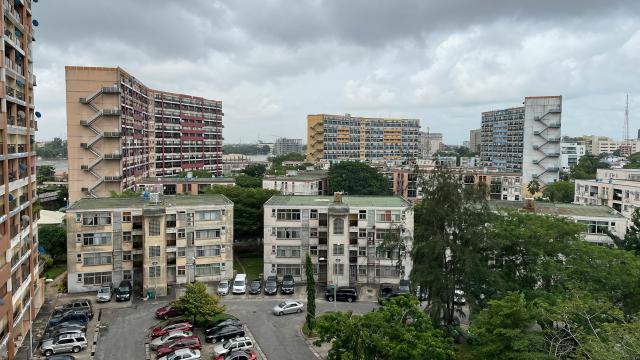
Second and third tier cities once relegated to the sidelines of India’s economic drama are now taking centerstage. Lucknow, Coimbatore, Surat and even Jaipur, Indore, Nagpur and Bhubaneswar are seeing unprecedented growth on the back of infrastructure development, government initiatives and details that job opportunities galore. Better highways, airports and rail connections are enabling the cities now to hook up more fully to national and global economies. And this connectivity, combined with a cost of real estate that’s much lower than Mumbai, is paving the way for affordable housing projects.
For the middle class and working class, maetros have become more out of reach. In cities like Mumbai or Delhi, the price of a modest apartment can be more than a family can afford in its lifetime. On the other hand, Tier II and III cities provide cheaper property prices along with all the basic amenities. Even a family too poor to afford more than a one-bedroom apartment in the metro area can often buy two or three bedrooms worth of house in a small city for that same amount.
Moreover, government schemes such as the Pradhan Mantri Awas Yojana (PMAY) are making it mandatory for builders to concentrate on these mini-metros where they can offer affordable housing projects. Financial support, interest-based incentives and infrastructure have tipped the field in favor of these nascent hubs. The phenomenon of smaller cities emerging as housing destinations is also not just a case of spillover from metros but an acknowledgment that these are engines of growth in their own right.
Patterns of Migration and Aspirations concerning Life-style
There are changes in migration patterns. Previously, most rural-to-urban migrants migrated directly to metros for jobs in industry, services and trade. But with sky rocketing costs and the pressure of congestion many are now moving towards Tier-II and III cities. These are cities where there’s a happy medium between jobs being available and cost of living/quality of life.
Paradoxically, reverse migration is also gaining ground. A lot of people from metros are now going back to their hometown for online and hybrid working after the pandemic made the remote work acceptable. For these punters, affordable housing in lower tier-II and tier-III cities is not just a matter of prudent finances but also as a source of happiness where they can live near family, while still maintaining their career.
Lifestyle is also another factor that contributes to this demand. Families of Indian citizens still view home-owning as one of the essential milestones. The dream is often dashed for many in metros because of astronomical property prices. Instead, smaller cities tend to allow families to purchase homes that come with more: gardens; larger living spaces; the chance to live in a gated community — amenities that are considered luxury items in bigger metros. The aspirational migration, together with affordability, has propelled the housing boom in these neighbourhoods.
Investment in Infrastructure as Growth Propellant
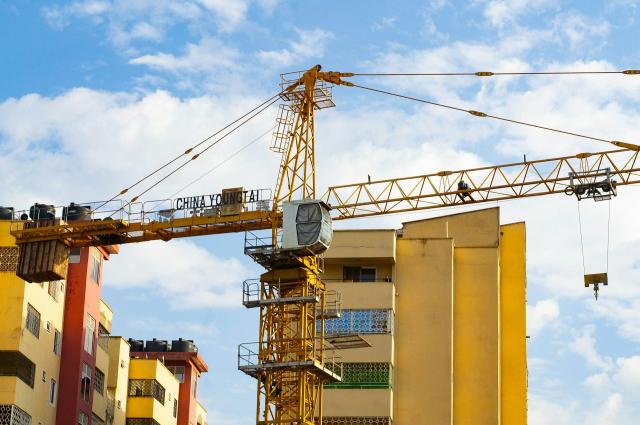
Infrastructure is indeed one of the most vital catalysts for affordable housing in both Tier-II and Tier-III cities. These regions are already more accessible and attractive owing to investments in smart cities, industrial corridors, highways, metro projects and airports. For example, DMIC on the Delhi-Mumbai route has created housing demand in smaller towns located along this corridor while regional airports are further aiding connectivity of Tier-II cities to important national destinations.
Policies of the Government too are directing resources towards harmonious urban growth. A roadmap has been supplied to the smaller cities for enhancing water supply, sanitation, mobility and digital infrastructure in the form of Smart Cities Mission and AMRUT (Atal Mission for Rejuvenation and Urban Transformation). These upgrades render alive these Tier-II and III towns, giving assurance to both buyers and also the manufacturers.
And, indeed, infrastructure is just that: It multiplies. These cities are growing as industries, and businesses locate there drawing in workers who need to live where they can afford it. Schools, hospitals and shopping follow; there’s a cycle of growth from within. Long term, developers see opportunity in cities like that, and they’ve become a hotbed for affordable housing projects.
The Problems of Affordable Housing in Smaller Cities
As the demand is increasing, affordable homes in tier-II and tier-III cities have their own share of issues. One major hurdle is financing. Developers may have difficulty accessing inexpensive financing for large-scale affordable projects in these areas and homebuyers might not always have access to low-cost home loans because of a lack of steady income or official documentation.
There is also a gap in proper urban planning. Go to many small towns and one would see the kind of expansion that doesn’t follow a pattern, leading to poor drainage, traffic congestion, erratic power supply and water. Without coordinated planning, projects for cost-effective housing can end up being unsustainable anywhere along their lifecycle.
Moreover, fragmented ownership and bureaucratic delays in approval have posed challenges for developers to buy the land at affordable rates. This not only adds to the cost of a project, but slows housing down. Additionally, there is usually a shortage of affordable housing available on the market that are good quality projects to modern standards.
These issues must be tackled through better financial tools, governance and planning frameworks or the promise of Tier-II and Tier-III cities will continue to be underexploited in the face of increasing demand.

Development and investment opportunities
Small if struggling, the affordable market for housing in smaller cities is an area of enormous potential for developers, investors and policymakers alike. Developers can reach a massive pool of first-time homeowners, who are enthusiastic about investing in property within their budget. Unlike metros, where the market is overcrowded, Tier II and III cities offer huge untapped land banks and low competition pressure which makes it easier for developers to experiment with designs, amenities and pricing initiatives.
Investors, too, like these cities. Analysts however believe rental yields from Tier-II and -III cities are better off than those seen in metros, considering properties there come cheap which is the parameters to judge an asset worth if its price-earning (P/E) ratio lifts. There's also significant possibility for capital appreciation as infrastructure and economic growth grows.
Even governments can use this opportunity to realize the dream of “Housing for All” through resource allocations on similar lines in smaller cities where such affordable housing schemes may have the most utility. Public-private partnerships, tax breaks and digital platforms for clear approvals can add further fillip to developer interest. Increasing alignment among demand, policy support and investor confidence faster makes small cities the next playground for affordable housing.
The future of Affordable Housing outside Metros
The fate of affordable housing in India may soon be decided far from the urban centers. Families, professionals and businesses in search of affordability, space and quality of life will continue to move to tier II & tier III cities. As the digital economy obviates that requirement for physical proximity to metros, smaller cities will grow into their next self-sustaining hubs of growth.
Sustainability will be instrumental in defining this future. Sustainable Development Projects Affordable housing projects in smaller urban areas have been required to embodied environmental solutions, such as energy-efficient design, rainwater harvesting and renewable energy use. These principles are cheap as well as livable over the long run.
In the coming decade, migration trends and infrastructure improvements, government incentives and private sector investments will shape how much smaller cities can do to address India’s housing deficit. Properly used, this tide of demand for affordable housing in Tier-II and -III cities could be the beginning of a new and more equitable and sustainable urban future in India.
The Role of Government Policies in Expanding Housing Access
The demand and supply factors in tier –II and Tier—III cities are influenced by the government policies. Over the last 10 years, schemes such as Pradhan Mantri Awas Yojana (PMAY), Credit Linked Subsidy Scheme (CLSS), and Smart Cities Mission have given a big push to housing development outside metro cities. These efforts don’t just make it easier for buyers to get the upfront financing they need, they also incentivize developers to build out in smaller cities.
For example, subsidies on home loans under PMAY enable families which could never otherwise afford ownership to move out of rented accommodations forever. Likewise, priority sector lending criteria make it mandatory for banks to lend to affordable housing projects helping achieve financial sustainability. Even states have led the way, providing stamp duty waivers or tax breaks and a single-window clearance system to make it easier for affordable housing projects to take off. These actions combined lower the cost for buyers and developers.
Apart from financial bonanzas, regulatory reforms are also crucial. The implementation of Real Estate (Regulation and Development) Act, 2016 (RERA) has made the sector more transparent and accountable which has given way for families in tier II / III cities to make secure investments in home. Digital approval platforms and land record digitization are also reducing bureaucratic delays, which means projects get completed faster.
But then local application matters. There are also inherent challenges in ground availability and acquisition, city planning, and enforcement of standardisation for these cities with inefficient land acquisitions. These gaps must be addressed to make sure that the houses built are affordable as well as safe, sustainable and durable.
The next generation of policies should plan for sustainability and inclusiveness in housing. These regions could be game-changers for incentives that promote green buildings, energy efficiency and affordable rental housing. In addition, strategies for promoting public-private partnership is needed to match the scale of development with increasing demand. In short, government intervention will continue to play a significant role in realizing the dream of affordable housing for small cities.
Affordable Housing: Catalyst for Local Economic Development
In industrial towns like mine too, we see that affordable housing in Tier-II and Tier-III cities is not just a social requirement; it’s an economic driver. In addition, each housing program created by the Fund provides jobs and encourages local industries which lead to consumption of mobility. From labourers to architects too material providers and transport services, housing projects have a multiplier effect on various sectors.
The development of affordable housing brings jobs directly into a community. Both skilled and unskilled workers are able to find job opportunities near their villages, which in turn reduces the migration to metros. Which then stabilizes families, and which leads to better community health. Besides, housing development contains ripple effects to ancillary industries such as cement, steel, paints & furniture and electrical pushing up industrial growth in other smaller cities.
Homeownership also encourages financial inclusion. Families that are buying homes may be entering the formal banking sector for the first time, via mortgages, insurance or savings schemes. This widens the penetration of financial institutions and encourages long-term financial planning in smaller towns. Further, as homeownership stabilizes families and disposable income is pushed into education, medical care and retail spending the positive impact from such activities continues to have a beneficial effect on local economies.”
Affordable housing also lays the foundation for drawing in industries and services. Companies are more likely to have a presence in an area where employees can afford to live. For instance, IT companies, logistics firms and manufacturing projects are now focusing on Tier-II cities for expansion as real estate is cheaper and also they offer a conducive living environment.
In the COMMUNITY, affordable housing generates stability and community cohesion. Homes w/teetotal security homeowners move far less and their neighbors are more actively engaged in community. This goes a long way to building safer, more robust cities that eventually bring even more investment.
Finally, affordable housing is a product of and an impetus to economic growth on the part of smaller cities. When they empower families to own their homes, both governments and developers aren’t just fulfilling a fundamental requirement of human beings but laying down the building blocks of sustainable economic ecologies. In the final analysis, demand coming in from a new residential asset development with local economic expansion can alter the long term of Tier-II and Tier-III cities to being vibrant co-centric circles of hope and well-being.
Technology’s Role in Affordable Housing Expansion
Affordable housing boom in the Tier-II and III cities is taking shape with technology acting as one of the major enablers. Construction methods to digital governance, tech-driven solutions are simplifying processes and reducing costs while also making a process such as this one more transparent. Developers are adopting pre-fabricated and modular construction methods more commonly to shorten building time, reduce material waste but not sacrificing quality. These advances enable us to deliver homes faster and more affordably, with a direct impact on affordability.
On the governance front, land records are being digitized and approval systems moved online to cut down on red tape that usually held up housing projects in smaller cities. Property register by Block chain is also gaining traction as a solution for transparency and fraud or dispute prevention.
Technology is changing the search and purchase process for homebuyers. And when you can browse through online listings, submit digital loan applications, and attend virtual tours, the process becomes more available to everyone — even first-time buyers. Smart home facilities, which were confined to metros until recently, are slowly percolating in to affordable housing projects providing energy-efficient and future-ready homes.
While affordable housing in smaller cities is not just becoming more accessible but also more sustainable and resilient, planning, construction, financing and ownerships all involve technology at every stage.
Conclusion
It’s not a temporary phenomenon but a structural part of India’s quest for urbanisation. With growing aspirations, pricing factor, infrastructure boost and other demographic changes, these cities are gearing up to be epicenter of growth. For millions of families, they are the opportunity to make a mortgage more than the painful dream that it is now and instead something achievable without giving up everything else in life.
Yet unlocking the potential of this demand will need co-operation among governments, developers and financial institutions. By combining the right set of policies, investments and innovations, India can ensure that affordable housing is not only a metro story but an equitable phenomenon across its urban landscape. “In the next few years, ‘other metros’ are likely to not only emerge as alternatives but may potentially be the drivers of affordability in India,” said Puri.
Also Read: How Population Growth Affects Housing Demand



-3dkuLgKhRD.jpg)
-49HupTvwDD.jpg)








LEAVE A REPLY