

The Role Of Affordable Housing In Reducing Poverty And Inequality In Ghana
Affordable housing has a change agent effect on the growth
of the nation, particularly in those countries where high rates of
urbanization, income disparity, and population growth highly strain the
available infrastructure. The problem of safe and affordable houses has
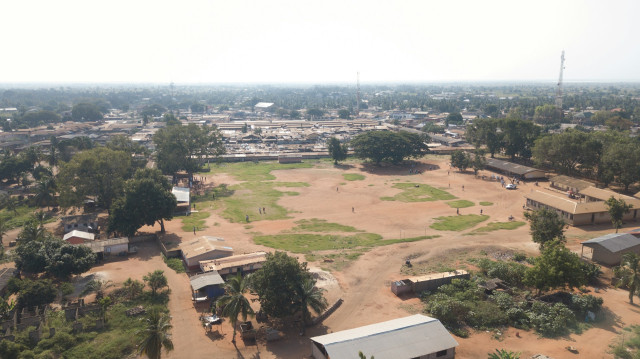
continued to be a big challenge to low and middle-income families in Ghana. A
big percentage of the population reside in the informal settlements which do
not have basic amenities like clean water, proper sanitation, electricity, and
strong buildings. These situations strengthen the nature of poverty, ill
health, low educational achievement, and economic insecurity. Consequently,
housing is not just a social phenomenon, it is a core of economic stability and
social justice.
Affordable housing programs do not just offer physical take
refuge but offer avenues to poverty elimination and inclusive development. By
investing in affordable housing solutions, the governments and other
stakeholders in the sector spur employment, boost infrastructure, and enhance
social services and community networks. The net effect of these is the
mitigation of structural disadvantage of the marginalized groups. Furthermore,
having a stable housing enables the households to distribute the resources more
effectively, invest in education and small businesses and be engaged in the
process of community development.
This blog addresses how affordable housing can help to the
alleviate poverty and inequality in Ghana. It looks at the effect of housing on
economic stability, creation of employment, access to basic services, social
protection, planning of cities, and the long term national development. These
connections indicate the reason why housing policy is to be considered as a
means of social change but not a construction project.
Affordable Housing as an Economic Stability Tool.
The decent affordable housing also provides the stability
that the households require in order to leave the poverty and establish
sustainable livelihoods. Families that pay high amounts of their incomes as
rent cannot afford other necessities in life such as food, health, education
and transport. The proportion of spending of low-income earners on
accommodation in Ghana is a high percentage since there is low supply of
accommodation and the rent is high in the urban areas. Families remain in
poverty loop due to this economic burden that does not leave much with regards
to saving or even investment.
Having affordable housing is a way of lessening the
financial strain, as it lowers the cost of living and allows more effective use
of income. With their housing costs foreseeable and affordable, families can
shift the finances to productive ones, such as small business, professional
training, and education. These investments improve the resilience of households
and provide chances of upward movements. In the long run, lower housing prices
will result in better livelihood and more economic freedom.
Employment is also increased by the stable housing. People
residing in safe and conveniently located homes have more chances of accessing
transportation and employment opportunities within cities. On the other hand,
individuals living in informal settlements tend to be geographically and
socially marginalized which restricts their economic involvement. Integrated
affordable housing that becomes part and parcel of urban planning lessens the
commuting pressure and makes the people closer to commercial centres,
industrial areas, and service sectors.
Moreover, financial inclusion is promoted by the safe
housing. Banks are also more ready to give loans and credit facilities to those
that have permanent address and property documentations. Credit provides access
to entrepreneurship, home based businesses and small scale investments that
spur local economies. Conversely, unofficial housing setups tend to lock out
residents in formal financial arrangements, which strengthens inequality.
Also affordable housing takes advantage of the economic
productivity as it enhances the physical and mental health. Crowded and poorly
ventilated housing are also risk factors that expose people to disease and
stress and effects on efficiency of work and cost of health care. Healthy
working conditions will help in promoting greater focus, increased energy, and
workforce involvement.
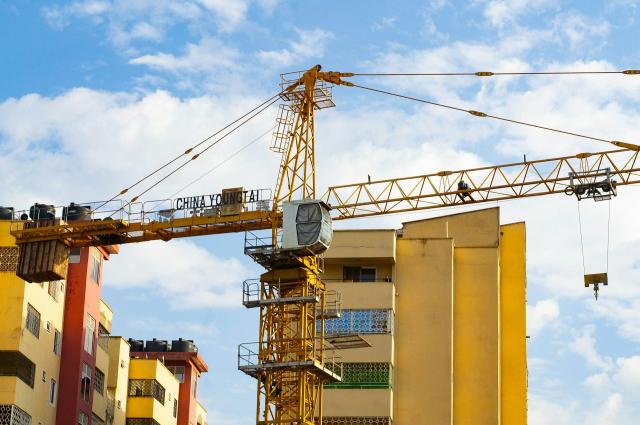
On the community level, the housing developments drive the
local market. Construction work creates the jobs by creating demand on
materials, labor, and services whereby artisans, engineers, suppliers, and
contractors are hired. Once residential areas are filled-up, businesses like
shops, transport and food establishments are drawn. The effect of this
multiplier increases the economy and helps to generate income.
Finally, affordable housing plays the role of an economic
safety net. Housing programs facilitate the household to overcome poverty and
become the productive members of the economy by alleviating financial pressure,
enhancing job opportunities, and leading to the growth of enterprises.
Employment Generation and Income Opportunities through Housing Development
Affordable housing projects are effective job makers and
income earners. Housing industry is closely connected with a lot of other
industries and this makes the housing industry a major contributor to economic
activity. In Ghana where unemployment and underemployment issues have become
the order of the day, employment opportunities in housing development can offer
a wide range of job opportunities to the skilled and unskilled laborers.
The construction phase in itself generates large scale
employment. There are engineers, architects, surveyors, masons, carpenters,
plumbers, electricians, and laboratory workers among others who are involved in
building projects. Most of these jobs have different degrees of skill and
people with different education have an opportunity to join. Mass housing
programs have the potential to absorb thousands of laborers with good stable
income and less unemployment.
Housing development indirectly drives the economy outside
the direct construction employment. The cement, steel, timber, roofing
material, paint, and the plumbing
equipment suppliers have high demand. Transport services are increased to
deliver materials and workers and food vendors and small businesses get the
advantages of having construction teams. These related activities create an
overall economy that is beneficial to a large scale and not limited to the
immediate location of the project.
Entrepreneurship is also encouraged by affordable housing.
Since communities are forming up, inhabitants form small businesses including
grocery stores, tailoring, repair shops, childcare and food chain outlets. Such
businesses generate revenues to the families and generate other jobs to the
members of society. Such localized economic opportunities especially favor the
women and the youth, which lessens the level of gender and generational
disparities.
In addition, the housing programs can implement local
content policies, which put domestic contractors and suppliers first. This will
guarantee that the economic gains do not flow out of the nation and it will
empower the local industries. Housing projects are also associated with skills
training programs that provide the growth of the workforce capacity, as they
allow people to gain long-term jobs in construction and real estate industries.
The schemes of rental housing also create long-term income
availability. Constant labor is needed in the areas of property management,
maintenance services, cleaning, security and landscaping. These jobs offer
stable jobs and guarantee the sustainability and quality of accommodation
amenities.
The professional jobs created by housing finance systems are
also in banking, insurance and legal services. The mortgage processing,
property valuation, documentation and risk assessment enlarges the financial
services sector and generates specialized career opportunities.
Affordable housing programs will minimize income disparity
by encouraging employment in various industries and boost household income
levels. The frequency of employment leads to a better financial situation,
children education, and access to healthcare. These gains help in alleviating
poverty and induce inclusive economic growth.
Enhancing Availability of Basic Services and Social Infrastructure.
The Affordable housing projects make a great contribution to
the availability of much-needed services that are imperative in alleviating
poverty and social equality. Unofficial settlements usually do not have a good
water supply, sanitation, power, garbage collection and health centers. Such
shortcomings subject residents to health risks, environmental risks and social
marginalization.
The affordable housing projects are planned to include
simple infrastructure like potable water systems, drainage systems, electricity
links and sanitary facilities. Availability of clean water will lower the rate
of infection of waterborne illnesses in addition to cutting down medical costs
incurred by low-income families. Flooding and environmental contamination are
based and therefore, are prevented through proper drainage and sanitation which
enhances the health and living conditions of the people.
Availability of electricity increases productivity and
living standards. The activities that households can be involved in that
generate their income are tailoring, food processing and small-scale
manufacturing. This contributes to better lighting that can be used by students
to study, and digital connectivity that promotes access to information,
education, and jobs.
The affordable housing communities also tend to have schools
and healthcare facilities serving the community and neighboring communities.
The closeness to schools lowers transportation expenses and enhances enrolment
in schools among the children in low-income families. Education is one of the
most effective instruments in the dismantling of intergeneration poverty since
it increases potential earnings and social mobility in future.
Access to healthcare also enhances welfare and efficiency.
The proximity of clinics and hospitals makes it possible to treat them early,
provide maternal care, immunization, and primary prevention of diseases. With
healthy populations, people can take part more in economic activities and
development of the community.
Markets, parks and recreational facilities are the open
places where people interact with one another and trade together economically.
The markets will provide a channel of local trade and the recreational
facilities will help in promoting physical and mental health. Such facilities
enhance the bonding of a community and minimize social isolation.
Mobility and economic participation is further increased by
transport infrastructure that is associated with housing developments. There is
good transport network and road networks that connect the residents to their
work places, educational centers and business hubs. Better mobility also
shortens the travel time and transportation expenses giving individuals the
opportunity to seek better opportunities.
Affordable housing helps decrease the gap between communities with high and low-income because it guarantees fair access to all necessary services. This participatory strategy is constructive of equal growth and enhances national wellbeing.

Social Insurance and Weakness Alleviation.
Affordable housing is a social protection that puts
vulnerable population groups out of economic shocks and environmental dangers.
Families in precarious conditions are prone to eviction, natural catastrophes
as well as unsafe buildings which put their lives and livelihoods at risk.
Secure accommodation shields against extreme climates like
heavy rainfall and heat waves. Constant buildings minimize the damage caused by
disaster and eliminate displacement that leads to further descent into poverty.
Stability of housing also ensures stability of education of children since they
do not have to change their residence frequently.
Tenure security under the law minimizes the chances of being
evicted and exploited by unscrupulous landlords. Property owners or assured
tenants are more at ease and included in the society. This stability promotes
the long-term planning and investment in home upgrades as well as community
involvement.
Cheap housing also lowers the crime and social disturbance.
Properly lit communities with roads and security systems enhance order and
protection. Business activities are supported and more investments are
attracted by safe environments.
Affordable housing gives dignity in the sense of
independence to marginalized groups such as those with disabilities, the
elderly and low-income women. The housing designs are friendly and promote
movement and curb dependence on caregivers.
Homelessness and overcrowding are also factors that cause
stress, which is also alleviated through stable housing and mental health.
Mental health increases labor and social interaction. Affordable housing
enhances resiliency and inequality through these protective roles.
Urban Planning, Inclusion and the Balanced Regional Development.
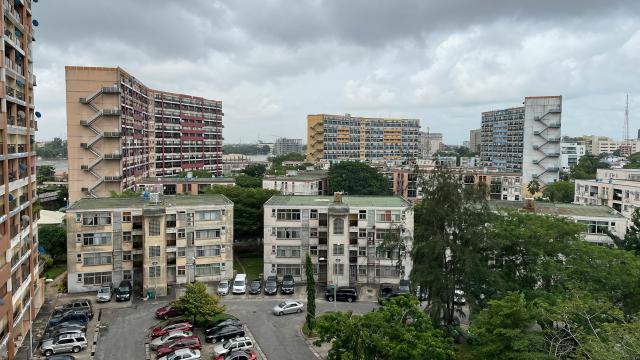
Affordable housing helps in the proper organization of the
urban plan and minimizes the inequality of space. The rapid urbanization tends
to cause slum-like housing that puts pressure on the infrastructure and the
services. Controlled housing projects direct the effective growth and enhance
the efficiency of land use.
Mixed-income housing also fosters inclusion within the
society because it brings together socioeconomic groups. This kind of
integration minimizes segregation and enables the understanding of the other
and the same access to the services.
The housing projects in the region also facilitate balanced
national growth because it relieves the citizens of the major cities of the
pressure of migration. Expansion in the small towns motivates the local
economies and eases the congestion in the cities.
Housing-related infrastructure investments enhance
transportation, utilities, and communication networks, which are beneficial to
broader populations and contribute to industrial development. There is also
increased sustainability to the environment with the planned communities in
terms of the green spaces, waste management systems, and energy-efficient
designs.
Intergenerational Impact and Long-Term National Development.
Affordable housing is an important factor in ensuring long
term national development in enhancing human capital and social equity. With
families being stable and secure in their homes, children are raised in safe
environments which help them in their physical, emotional and intellectual
development. Stress is minimized by a stable living environment, concentration
is enhanced, and sufficient space to study is achieved, which lead to a better
academic performance. With education and good care received by the children,
they acquire the skills and knowledge that will make them productive
individuals in the society, and this will enhance the human resource base of
the country.
Family ownership of homes can also help them accumulate some
wealth and get more financial stability. Owning property is a resource that can
be well valued and passed on to the subsequent generations. Such an
intergenerational wealth transfer minimizes the level of wealth disparity and
avails funds to the family in the future. Moreover, housing assets can be
borrowed as a security to get loans to invest in the business, study, or other
income generating ventures. This kind of financial opportunity boosts entrepreneurship
and leads to economic mobility among the low- and middle-income families.
Better living also leads to better productivity in a country
since the education standard and labor quality is increased. When individuals
experience good housing and can have access to basic amenities like clean
water, sanitation, and electricity their health and wellbeing become better.
Healthy persons are better placed to learn well and work effectively at work.
An effective and competent workforce will boost national competitiveness and
investment in the economy in different sectors.
Furthermore, the housing development leads to technological
advancement in construction and city planning. The use of modern building
technologies, efficient structures and infrastructure system and better urban
management practices are some of the factors that are involved in national
modernization. Affordable housing helps in sustainable growth of the economy
and asset accumulation, which in turn promotes long-term national prosperity.
Conclusion
Affordable housing is an effective tool towards lessening
poverty and inequality in Ghana. It enhances economic stability, creates jobs,
and advances access to vital services, social protection, beneficial urban
planning, and long-term nation building. Housing programs both respond to
short-term shelter needs and structural impediments to disadvantage.
Careful housing development incorporating both infrastructure development and the community development can change the vulnerable neighborhoods into vibrant economic and social hubs. Affordable housing can create resilience, empower marginalized groups, and develop a fairer society where every citizen can thrive by making affordable housing a priority in Ghana.





-3dkuLgKhRD.jpg)
-49HupTvwDD.jpg)









LEAVE A REPLY