

Affordable Housing in Islamabad’s Margalla Foothills: Legal & Environmental Hurdles
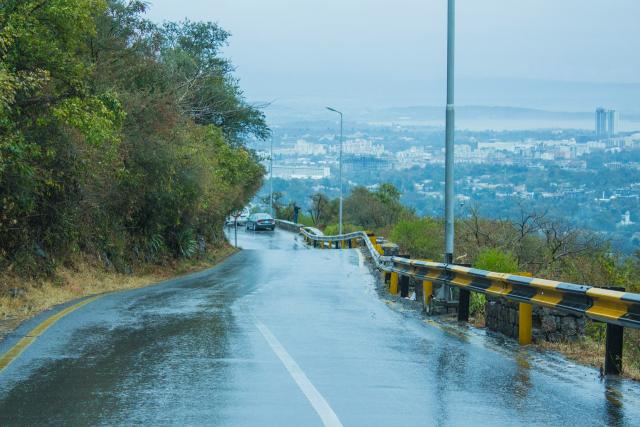
The capital city of Pakistan ranks as its most planned and beautiful community situated under the main features of Margalla Hills. The city has drawn people desiring enhanced living quality through its presence of green landscapes and peace along with well-organized residential areas since its establishment. Population growth has combined with urban migration and increasing housing demands to challenge the natural boundaries of the city particularly in the northern zones which are adjacent to Margalla foothills. Officials now confront an affordable housing challenge in this region where rolling hills and vital ecological properties exist.
A Fragile Landscape and a Growing Demand
The demand for low-cost housing reaches an overwhelming level. The core areas of Islamabad serve high-income as well as middle-class residents while working-class people face challenges finding lawful housing inside the city boundary. The population shifts toward unregulated urban fringe zones along with informal settlements where essential utilities such as safe water supply and power connections and sanitary facilities are typically non-existent. The outer areas of the Margalla foothills developed into unregulated and semi-legal residential districts which developers promote to low-to-middle-class families as affordable living spaces. This urban transform represents significant legal and environmental expenses in its way.
The geographical area adjacent to the Margalla Hills shows great environmental sensitivity. The land performs as a climate shield while providing habitat to endangered animals and preserves forests that purify the air and trap carbon dioxide throughout Islamabad. The approach of building activities toward protected zones leads to disturbance of ecological systems. To build additional housing units developers place forested areas under removal operations which lead to hill destruction as they block waterways. These newly built affordable houses do not have sustainable characteristics according to economic or environmental criteria.
An additional risk emerges from the ecological aspects of this situation. The Margalla foothills exist within an area where earthquakes frequently occur. Building projects without adequate geological investigations and standard code enforcement practices put the area at great risk of severe damage during earthquakes. Capital Development Authority (CDA) together with other governing bodies have established clear building guidelines yet there exists persisting enforcement weaknesses during confrontations between economic interests and political connections.
Legal Grey Areas and Weak Enforcement
Several regulatory bodies manage the land use legislation and construction activities of the Margalla region in Islamabad. Multiple organizations lead the management of Margalla Hills namely Capital Development Authority (CDA), Islamabad Capital Territory (ICT) Administration and Pakistan Environmental Protection Agency (Pak-EPA). The current environmental regulations alongside development restrictions have limited protection value because insufficient efforts exist to enforce these policies consistently.
The development of many economical housing projects occurs within areas with uncertain legal status since they exist within agricultural lands and forest preserves and national parks. Developers take advantage of legal technicalities and slowed mapping processes together with insufficient oversight to start building until an entire project goes through proper approval. Some builders obtain no-objection certificates (NOCs) before their documentation is complete or before the certificates should be released. The developers sometimes move forward with projects anticipating that legal challenges against violations will span multiple years until their construction project and its residents fill the developing land.
Some land acquisitions happen through both coercive operations and vague methods that push out indigenous communities as well as local villagers since these populations lack the capability to dispute property rights. Such housing projects present dangerous risks to buyers because most of them remain unaware about property ownership rights or defects within the land. Homebuyers spend their entire life savings on plots or flats while learning afterward that their properties emerged from illegal operations and judicial demolition orders.
The law system only intervenes with cases after they appear rather than stopping them before they start. High-profile cases have triggered property evacuations together with building removals and judicial conflict that intensifies the disruption of these neighborhoods. These actions generally get celebrated as environmental conservation successes and urban order achievements yet directly demonstrate how poorly protected the system operates against unlawful development initiation.
The situation worsens due to politicians who support unauthorized constructions. The housing development schemes in sensitive areas face strong backing from developers who possess ties to politicians making enforcement efforts by regulatory bodies challenging. The penalties applied for violations are weak because they seldom provide an effective deterrent against future unlawful building activities. The absence of clear regulations allows additional unapproved developments to occur since they pose as affordable solutions thus expanding cities and leading to wider systemic hazards.
Effective affordable and sustainable housing policy implementation for Islamabad requires resolution of the present legal problems. A policy of clear land classification plus transparent approval methods and rigorous enforcement systems must become standard practice. Before purchasing land citizens must have easy access to legal resources and information systems that provide land verification services. The promise of affordable housing in Margalla foothills exists as an unstable legal proposition because essential reforms are missing.
Ecological Impacts and Irreversible Damage
The Margalla Hills exist as a vital natural environment which protects both the environmental integrity of the capital district and its living plant communities. Located in the Himalayan foothills these hills function as both a wildlife habitat and a water collection zone and a natural air cleaning system that benefits Islamabad. Encroachments and construction near this zone pose serious threats—not only to the ecosystem itself but also to the broader climate resilience of the city.
The further development of new residential neighborhoods within foothill territory results in deforestation. The vegetation depletion makes the area unable to capture carbon dioxide yet destabilizes the ground structure and creates conditions that increase landslide risk and soil erosion during monsoon season. The modification of natural drainage systems causes immediate flooding threats for residential and quasi-urban locations in the surrounding areas. The clearing of forests from specific locations prompts wildlife to escape their habitats which leads to several species becoming endangered.
Water stress represents one of the most important pressing worries at this time. Groundwater aquifers receive water from the foothills which forms a principal water source used by Islamabad. Unregulated construction activities that damage natural areas for water recharge ultimately results in a downward trend of the water table for the city. The water sustainability of Islamabad’s resources suffers during peak dry season months because of these negative impacts on local populations.
The absence of development regulations leads to both noise and air pollution in the affected areas. The combination of heavy machines and construction waste and automobile use devastates environmental conditions within the local area. The environmental damage from development becomes worse since the Margalla Hills National Park is located in the immediate vicinity of this area. The park exists to protect flora fauna and geological features according to legal regulations. Environmental laws receive many violations while impact assessments are commonly done too quickly or builders ignore them for fast construction progress.
Many of the environmental damages created at the site prove impossible to return to their original state. The natural restoration of forests spans multiple decades while aquifer refill takes numerous years yet biodiversity destruction remains a severely difficult challenge. The need for price-affordable housing demands responsible combined action with anticipation of future environmental expenses. The failure to consider these factors creates immediate temporary shelters which will create permanent negative effects on the environment.
Human development models that incorporate low-impact architectural designs and green zoning regulations and environmentally stable planning practices show the potential for sustainable change. The implementation of sustainable development models needs three essential elements: coordination between different actors alongside planned investments and political backing yet these factors are not readily available today. Affordable housing in the Margalla foothills will continue to increase its environmental price because the necessary resources for activation remain unorganized.

Rethinking Urban Policy and Planning
Today's development pattern of Islamabad within environmental priority spots has reached its economic and environmental limits. The current situation portrays the inability of policies to merge environmental considerations with decisions about housing development and land use. A thorough policy rewrite about affordable housing construction locations must become the foundation to establish Islamabad's inclusive environmentally friendly resilient growth.
The affordability assessment starts by changing our traditional definition of what constitutes affordability. The definition of affordable housing involves multiple factors including cost metrics and sustainability aspects such as legal and ecological issues. Cheaply built homes on illegal or dangerous land cause greater costs for both financial stability and legal security as well as environmental damage in both the immediate area and the entire city.
Rational urban development models should prioritize the upward construction of buildings instead of expanding outward. Building well-planned mid-rise buildings with group amenities allows denser land use which helps lower construction in environmentally important locations. The integration between new developments and the city center requires public transportation expansion so people can use public transit instead of cars resulting in a reduction of emissions.
Zoning regulations and additional environmental assessment mechanisms and green building rewards programs should become more effective through updated requirements and stricter enforcement. Development policies regarding green belts with buffer zones and ecological corridor protection allow urban growth management alongside protected wilderness areas. Housing schemes need to pass comprehensive environmental examination tests for approval while local communities should become part of the standard planning procedures.
The process of developing capability represents an essential factor. A collective group comprising builders including urban planners and architects alongside developers and local authorities require training regarding environmentally sustainable design practices. The standards used in architecture and urban studies require modification to teach today's students about climate change together with resource limitations and environment protection practices.
The development of affordable residences near the Margalla foothills stands as an essential choice point for Islamabad. Developmental objectives of the city meet environmental obligations through this initiative. Appropriate legal reforms together with environmental protections and forward-thinking planning enable the establishment of affordable housing solutions that preserve the land instead of sacrificing environmental integrity.
Socioeconomic Divide and Housing Access in the Margalla Region
The issues regarding housing affordability in Islamabad are essentially connected to social inequalities throughout the city. Working-class families together with government workers and daily wage earners find it impossible to acquire a residence in the capital area. The formal housing market of the city offers limited opportunity to middle or lower-income groups because high-end residential developments occupy most land. Lower-income residents move to the peripheral Margalla foothills because land prices remain lower but they need to cope with numerous problems involving legal and environmental challenges.
The outside areas present informal developers with possibilities for growth. These developers sell land and compact houses at costs that prove more economical than central residential districts so families can obtain long-term housing. The schemes establish residential areas that do not include vital infrastructure features such as paved roads and sewerage and waste disposal systems and schools and medical facilities. Residential areas lack both environmental protection and legal security yet their residents agree to such trade-offs in exchange for affordable living costs which puts them at risk of homelessness together with health problems and social isolation.
The implementation of regulations shows preferential treatment because of the economic status of neighborhoods. Housing societies situated near the city center experience thorough inspections whereas the enforcement authorities in the foothills adopt inconsistent methods to manage low-income settlements or illegal residential areas. These differences create two distinct housing systems with one segment protected through resources while the other exists as a discarded waste object.
The absence of these communities from official planning activities increases their marginalization. Urban development frameworks operate as a barrier that prevents communities from accessing public resources and services. The lack of recognition creates continuous poverty which exposes people at higher economic risk to dangerous environmental conditions and legal insecurity.
The resolution of this problem demands that urban policy includes all stakeholders. Affordable housing policies must establish equal land and service access which prevents low-income residential development from receiving distribution in dangerous or environmentally risky locations. The meaning of affordable housing requires fundamental transformation into an essential human right which ensures social protection and environmental safety and legal transparency. An evaluation of socioeconomic factors in Islamabad’s Margalla foothills housing will prevent development from fueling inequality instead of minimizing it.
The Role of Civil Society and Media in Safeguarding Urban Futures
Portions of society including civil organizations together with environmental defenders along with independent journalists work to uncover and resolve the complicated housing issues in the Margalla foothills of Islamabad. Non-state actors detect and report numerous cases of illegal encroachment as well as environmental degradation and disputes involving residents of contested development schemes. Their essential work has gained relevance because Islamabad lacks official transparency along with poor enforcement capabilities.
The result of uncontrolled and unauthorized development around Margalla Hills has been documented by local environmental watchdogs and think tanks together with local non-governmental organizations. Such groups perform site investigations and publish investigation reports as well as launch awareness campaigns while taking legal actions to stop unauthorized building projects. The organizations work to drive public opinion changes which leads to the enhancement of pressure levels against regulatory agencies such as the CDA, Pak-EPA and the judiciary system.
Media enterprises together with autonomous journalists play an essential role by creating national awareness of these matters. Their investigation combines TV debates with documentary features along with journalistic investigation to reveal both individual hardships of residents and broader systems of corruption and mismanagement. Most reports in the media activate legal actions while they push for policy changes and trigger public engagement. The independently monitored housing sector serves to protect environmental as well as social justice in a nation that primarily views housing through commercial and political perspectives.
The organization known as civil society maintains several obstacles in its current state. Journalists together with activists suffer attacks and legal harassment and get barred from accessing housing developments that developers back through political support. The work of civil society becomes more difficult because of their minimal finances paired with the absence of institutional backing and insufficient collaboration between civil society and government agencies. The impact of civil society organizations will improve when whistleblowers receive enhanced legal safeguards and government institutions enhance their partnerships with civil society entities.
Participatory urban governance represents the fundamental necessity for the future urban development. Community-based organizations need participation in strategic planning sessions while public participation systems must exist to offer input on housing developments specifically within the Margalla foothills region. The capacity of civil society organizations to provide information and observe developments combined with their ability to activate people has already been proven. The right backing will transform Islamabad through development that combines economic growth with ethical practice and environmental responsibility in the future.
Conclusion
Affordable housing initiatives within Islamabad's Margalla foothills expose how development affects law and environmental conservation and produce imbalances of societal fairness. The imperative need for affordable housing requires proper planning to walk this path because any slip could result in unrecoverable destruction of human lives alongside environmental sustainability. All these factors—including the illegal occupation of protected areas and the illegal proliferation of unregulated housing programs as well as the growing social inequality—show the system requires immediate reform.
The world possesses sustainable solutions which need organized partnerships to implement them. Drafted legislation should receive strong enforcement with transparent oversight and housing policies must support inclusivity and justice in all planning. Civil society together with scholarly research and knowledgeable public opinion will determine the future direction of this issue.
The Margalla Hills exist as more than mere scenery because they embody what Islamabad stands for and its awareness of its natural environment. The city's housing requirements can be satisfied through innovative measures that protect the existing environments without creating conflicts between these needs. People must act immediately because the current affordable living standards will evolve into unlivable conditions in the future.
Also Read: Bangladesh's Environment-Friendly Low-Cost Housing Options for Low-Income Communities



-fEgofDq46v.jpg)
-chDiRoBKHP.jpg)




LEAVE A REPLY