

Affordable Housing in Ghana: Government Initiatives, Challenges, And Sustainable Solutions for the Future
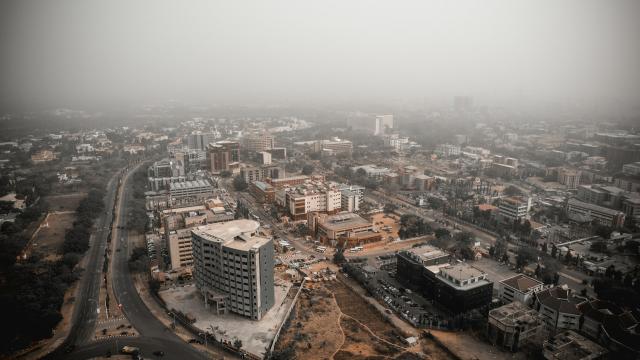
One of the development issues that is currently relevant in Ghana is affordable housing. As urbanization goes on, population grows and rural-to-urban migration increases; this has led to rapid demand but low supply of decent and affordable housing.
 Accra, Kumasi and Tamale are growing at unparalleled rates
putting a massive strain on land, infrastructure and housing markets. To most
of the low and middle-income families, it has become hard to either own or even
rent a good house in cities.
Housing is not only a matter of shelter, but it forms the
basis of economic stability, health, security and social inclusion. Lack of
access to affordable and safe housing by citizens has a ripple effect on
the whole society- unorganized settlements, informal housing, poor sanitation,
and access to basic amenities. These circumstances do not only degrade the
quality of life but they also hamper national development objectives.
The government of Ghana has, over the years, come up with a number of programs that are meant to mitigate the housing shortage. Nevertheless, the housing gap is large, and the estimates claim that there are more than two million housing units in deficit.
The blog provides an extensive contextual background of housing in Ghana, the government's efforts to integrate housing, the factors that continue to be a challenge, the value of the private sector, and the development of a sustainable solution to the problem in the future.
By knowing the strides made and the challenges left, the
stakeholders will be able to map a more inclusive and successful road to
housing security for all Ghanaians.
The Historical Trajectory of Housing Development in Ghana
Since independence, the policy on housing in Ghana has
undergone a lot of transformation. During the early post-independence period of
Kwame Nkrumah, the state was more concerned with state development, and one of
the programs identified by the state was the provision of public houses to
house civil servants and those working in the cities. These endeavors were also
majorly influenced by the fact that people thought housing was a state-social
responsibility.
Social organizations like the State Housing Corporation
(SHC) were created to lead their way in the delivery of public housing. Accra
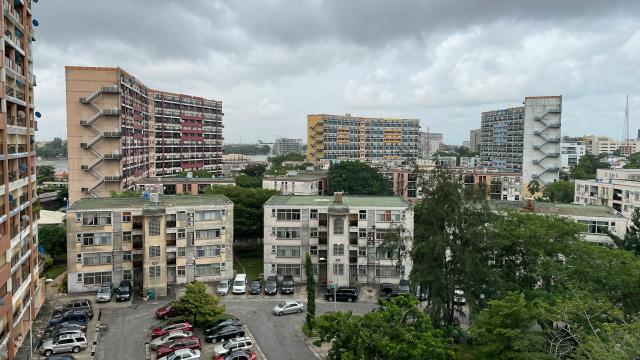
and other urban towns developed large estates. These projects however tended to
target the middle-income earners as opposed to the urban poor creating a very
big gap in the actual affordable accommodation.
Economic recession of the 1970s and 1980s, in combination with structural adjustment programs, curtailed government expenditure in housing. The state changed its role of being a provider to a facilitator, motivating the involvement of the private sector.
Although this shift has
brought new opportunities, it also implied that the market forces started to
control the supply of housing. Developers also concentrated on high-end housing
where the profit margins were much higher, pushing out low-income earners.
The process of urbanization increased. The informal
settlements increased quickly as people moved to urban areas in pursuit of
bigger opportunities. Old Fadama was one such community, which appeared as an informal solution for people who could not afford to build proper houses. These
regions were not usually well sanitized or drained, and had tenure of land.
Policies and reforms that were used over the years in
various governments to enhance the delivery of housing continued to face
implementation difficulties. Large-scale impact was hampered by bureaucratic
procedures in land acquisition, lack of proper planning in infrastructure and
inadequate financing mechanisms. The history of housing in Ghana has shown that
a certain trend of good policies being sabotaged by economic factors and poor
institutions have been experienced.
It is important to understand this backdrop since it
demonstrates that the housing crisis did not just come out of the blue. It is
the aggregate effect of demographic trends, a shift in policies, economic
strains, and governance issues. Any viable solution should therefore address both
the present demand as well as the structural problems based on the history of
housing in Ghana.
Government Efforts to Deal with Housing Deficit
The government of Ghana has been aware of the increasing
housing deficit; hence a number of initiatives have been put in place within the
last 20 years. One of the largest institutional actors in this endeavor is the
Ministry of Works and Housing, which is in charge of housing policy and
development project coordination.
Another key intervention was the Affordable Housing
Programme initiated in the middle of 2000s. They launched projects in places
like Borteyman and Kpone where thousands of housing units were to be built, targeting low- and middle-income earners. Although these projects were
politically committed, most of them failed as a result of a lack of funds and
contract issues.
The government has also been trying to collaborate with private developers and foreign investors in scaling up housing delivery in recent years. The use of public-private partnerships (PPPs) has been
advocated to take advantage of privatized capital yet make it affordable.
Moreover, funding plans like the National Housing and Mortgage Fund have
also been put forward to offer long-term financing.
The housing project has been further made more possible
through the creation of the Ghana Infrastructure Investment Fund (GIIF). Through
the mobilization of local and foreign capital, the fund will be used to fund
large-scale developments that combine housing with roads, utilities, and social
facilities.
The availability of mortgages has also been enhanced by the
Ghana Home Loans (currently First National Bank Ghana). Nonetheless, the cost
of borrowing is still high, and strict qualification criteria cause low-income
earners to take it up.
Regardless of such efforts, delivery has been subpar in most
cases. Delays, cost overruns, and targeting beneficiaries have minimized the
overall impact. However, the government initiatives indicate that housing is a
national priority that is still regarded. The difficulty is in the translation
of the policy frameworks into efficient, transparent, and scalable
implementation mechanisms that are truly effective for the neediest.
Key Challenges Hindering Affordable Housing Delivery
The provision of affordable housing in Ghana has many
structural and systemic problems. Land acquisition is one of the greatest
obstacles. Ghana has got complex land tenure systems, which include customary
authorities, family ownership and state lands. The ownership controversies tend
to slow down the projects and raise costs.
Construction cost is also a big challenge. Ghana is a
country that depends largely on imported building materials and hence prices
are susceptible to exchange rates and international market trends. Cement,
steel, and finishing products have been experiencing periodical price
increments to make housing unaffordable to common people.
Finance availability is also a problem. Ghana has low
mortgage penetration, relative to the rest of the world. Interest rates are
generally high and the repayment periods are shorter as compared to the
developed markets. Most of the informal sector workers do not have an income
that is recorded and hence will not qualify to purchase the conventional
mortgage products.
The lack of infrastructure contributes to the further
complication of housing delivery. The affordability of housing cannot be
developed without access to sewage system, roads, water and electricity. In
most peri-urban regions, developers have to take care of the cost of providing
such services which contributes to the eventual house prices.
There are also regulatory bottlenecks which slow progress. The process of acquisition of building permits is bureaucratic. There are inefficiencies in the coordination between the local assemblies and the central government agencies.
Also, the speed of urbanization keeps surpassing the
formal provision of housing. Increase in population leads to the development of
the cities at a higher rate than the development of the planned communities.
Unless the urban planners take the initiative, the housing crunch will keep on
increasing.
These problems demonstrate that a systematic overhaul of the
system is rather than a targeted intervention. These measures to open the
gateway to large-scale affordable housing development in Ghana include land
administration, revising construction cost, broadening financing facilities,
and enhancing efficiency in regulations.
The Role of the De Facto and the Real Estate Developers
The housing market of Ghana is very dependent on the private
sector. In recent decades, the main provider of new housing units is the
privately engaged developers. Big residential developments like Regimanuel
Gray and Trasacco Group have also been progressing with large residential
communities, which are mainly targeted at middle- and high-income consumers.
Although housing stock has gone up due to private
investment, people can only afford to buy houses. Luxury estates are usually
targeted by the developers since they have better profit margins. Therefore,
poor households are not well served.
There is a possible compromise of profitability and social impact
in the form of public-private partnerships. The government can promote
developers to incorporate affordable units to larger projects by availing land,
tax breaks, or by supplying the infrastructure. The inclusionary zoning policy
might as well require a percentage of affordable houses in new developments.
Another type of engagement of the private sector is
microfinance institutions and housing cooperatives. These models help groups of
people to share resources and avail incremental housing finance. These methods
can be especially useful to the employees of informal sectors.
The private housing is also being redefined by technology
and innovation. Modular construction, locally obtained materials and
prefabricated building systems can save money and construction time. With such
innovations, developers who adopt them can have new opportunities in the
affordable homes segment.
Nonetheless, the private sector needs transparent regulatory
frameworks and mechanisms of risk sharing in order to transform the world.
Investor confidence can be increased through transparency in land transactions,
predictable tax policies and a simplified permitting process.
Finally, sustainable housing solutions need cooperation.
There is efficiency, innovation, and capital through the private sector and
policy direction and social protection through the government. Collectively,
they will be able to develop a more accommodating housing ecosystem.
Sustainable and Innovative Solutions for the Future
The housing strategy of Ghana should be sustainable. The
affordable housing must be affordable and environmentally sustainable and
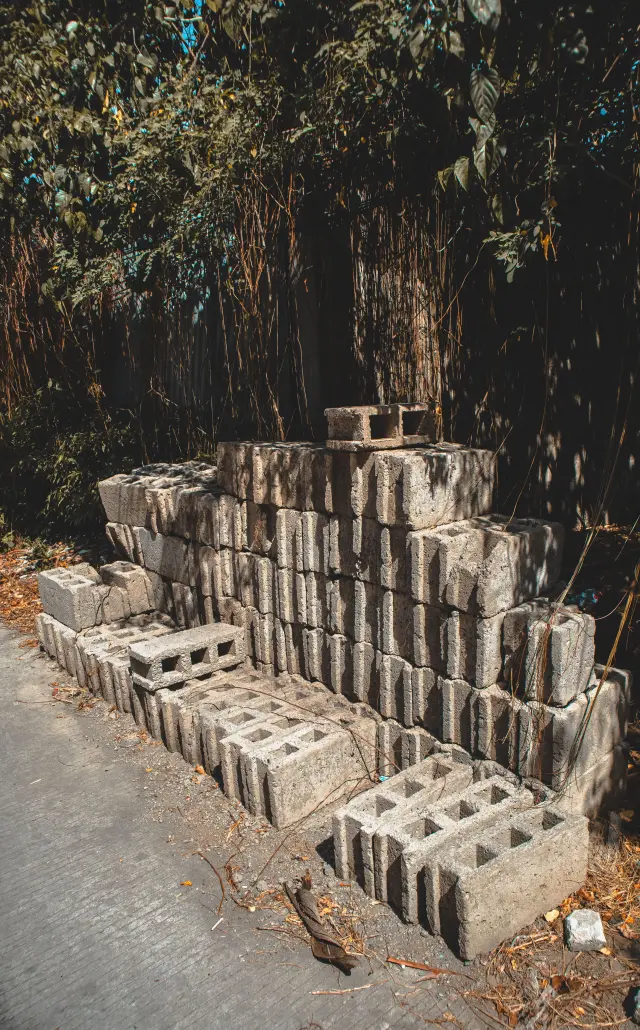
socially accommodating. The use of local building materials like compressed earth blocks and laterite bricks is one of the promising ways. These are
usually inexpensive and more weather-suitable compared to imported ones. Local
manufacturing can be encouraged and it will lower the costs and generate
employment.
Green buildings also have the capability of reducing the
total-cost to the owners. Furniture such as solar energy, rainwater, and
natural ventilation lessen utility costs and the use of the environment. Since
Ghana has a tropical climate, passive cooling method can be used to a great
effect to increase efficiency in terms of energy.
Another area of critical concern is land reform. By
digitizing land records and easing the process of registration, the development
can be accelerated and the number of disputes can be minimized. Open land
management systems create investor trust and safeguard the homeowners.
Increased housing finance is also significant. Broad access
can be expanded by the introduction of long-term low-interest mortgage plans
and rent-to-own plans. Guarantees issued by the government can mitigate risks
to the lenders and motivate them to work with the low-income earners.
The innovation of community-based housing has more to offer.
Cooperative housing plans enable residents to be involved in planning and
building and make improvements that will address the needs of the locals.
There is a need that planning in the city also changes. Developments that combine housing, employment, schools, and healthcare facilities are known as mixed-use developments and lower the level of commuting expenses and improve living standards.
Affordable housing can be linked with
economic opportunities through transit-oriented development. Through
sustainability, innovation, and inclusivity, Ghana will be able to transition
into a long-term solution instead of quick-fix solutions to housing.
Recommendations to Policy and the Way Forward
Ghana needs to implement a multifaceted and integrated
strategy to address the problem of housing crisis. First, subsidies and clear
beneficiary selection procedures should be used to give focus to low-income
households when considering the housing policy.
Second, the institutional capacity needs to be empowered.
Housing delivery agencies need proper financial resources, the quality of their
workforce, and mechanisms to ensure accountability.
Third, partnerships are to be enhanced. The government, the
private developers, the financial institutions, and the civil society can
coordinate resources and expertise.
Fourth, there should be an improvement in monitoring and
evaluation systems. Evidence-based policymaking can be based on the
availability of reliable data on housing demand, supply, and affordability.
Lastly, there is a need to be committed politically in the
long-term. The housing projects are usually cross electoral cycle projects, and
thus continuity is necessary beyond the partisan interests.
Provided that Ghana is able to tackle the issue of land
reform, funding, infrastructure, and governance simultaneously, the country has
a good opportunity of drastically reducing the problem of housing shortages.
Constructing houses should not just be the objective, but long-term communities
that help increase dignity, opportunity, and well-being.
The Social and Economic Impact of Affordable Housing Development
The social and economic implications of affordable housing development on Ghana are far reaching. In addition to shelter, it is an engine to poverty alleviation, employment generation, and enhanced health outcomes among the population.
Children will perform better in school more when families
have access to safe and stable housing, and adults face increased employment
security. Secure housing will, as well, lessen the exposure to forced evictions
and social displacement, especially in such congested urban areas as Accra and
Kumasi.
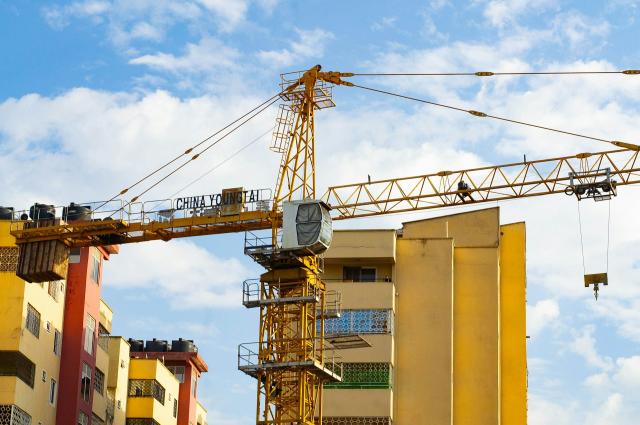
Housing projects on a large scale boost various sectors economically one being construction, manufacturing, and finance. Local building materials, labor, and ancillary services are demanded, which creates job opportunities and develops the local economies.
Productivity is increased
further, and more private investment is attracted through infrastructure
investments that are associated with housing, including roads, water systems,
electricity and so on.
In addition, sound housing markets are important to the
economic resiliency of countries. Home ownership facilitates wealth creation
and it serves as security to small business lending. By focusing on affordable
housing not only Ghana is offering a social requirement but also empowering its
economy, which leads to inclusive growth and sustainable national develo,pment.
Conclusion
Housing in Ghana is also a challenge and opportunity because
it is affordable. On the one hand, there is a notable housing shortage in the
country, which is caused by urbanization and economic limitations, and systemic
inefficiencies; on the other hand, the potential for transformation is enormous.
A basis on which progress can be achieved is through government efforts,
involvement of the private sector, and creative solutions.
The future of housing in Ghana will be determined by the need to act in a coordinated manner, consistent policy, and inclusiveness. Through sustainable practices, land and financing systems reform, and meaningful partnerships, Ghana will be able to build a housing ecosystem accessible to all citizens. By so doing, not only will the nation be addressing a serious social need, but it will also be enhancing its overall development path for future generations.
Also read: The Affordable Housing Act 2024: How Legal Changes Are Reshaping Housing In Ghana




-3dkuLgKhRD.jpg)
-49HupTvwDD.jpg)









LEAVE A REPLY