

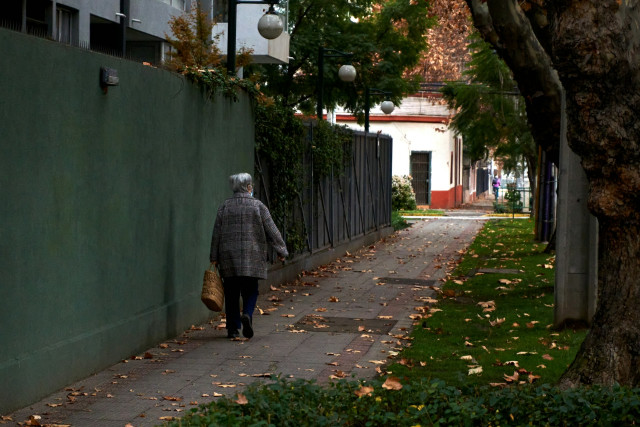
Affordable Housing for seniors: Addressing the Needs of an Aging Population
Elderly are a common social problem in the era of world aging, and there is an increasing demand for safe, accessible and affordable housing of elderly. Seniors have a wide range of specific housing needs, whether it's due to lack of financial resources or mobility issues and health problems as well as social isolation. “Seniors’ affordable housing is about more than roofs over heads, it’s about building communities that are inclusive and support seniors to live independently with dignity and quality of life. With an increasing life span and a decreasing family support system, where and how the elderly live is no longer simply a personal preference but a public policy issue, and society’s responsibility.
This blog discusses the urgent need for quality and affordable housing for seniors, touching on the economic, social, and health aspects. And by the same token, it illustrates the possibilities and pitfalls that local officials, communities and builders have when trying to ensure housing intended for older residents meets those changing needs.
Senior Housing Demand on the Rise
Age structure the world’s population is ageing. In places like India, the U.S. and throughout Europe the percentage of seniors are multiplying quickly as birth rates decline and life expectancy grows. This demographic shift is accompanied by an urgent necessity for low-cost housing solutions that are adapted to the lifestyle preferences of elderly persons.
In later life, most people are likely to have to manage with less money, relying on pensions and savings for income. Rising health costs, inflation and lack of access to credit make them more vulnerable. When that is the case, living in a place you can pay for isn’t a matter of necessity, it’s one of survival. Senior citizens cannot "pick up and move" like younger people can (and many do rent temporarily) to maintain some level of homes, mental wellness and physical well-being.
The need for senior housing is further compounded by family structure changes. And the extended family members in traditional societies simply became old people who are less of a burden. But today, migration to cities, nuclear family setups and growing work participation among the youth have made these senior citizens fend for themselves. This migration reinforces the importance of housing designed for safety, affordability and community specifically tailored to older people.
Governments around the world are just starting to take notice of this opportunity. Programs ranging from partial housing vouchers to senior-targeted rental assistance and focused retirement communities are emerging. But demand far exceeds supply, which underscores the need to establish a more robust policy framework and invest in senior housing.
Economic Challenges of Senior Housing Locks on the Door
"Perhaps you have some savings above what you're living on from month to month, but that could only go so far." For many elderly in the Bay Area, their fixed income comes from pensions and other related income such as social security or even a meager amount stashed away in a savings account. These sources of funds prove woefully inadequate for meeting expensive city housing costs. Steep rents, escalating property taxes and medical bills are a triple-whammy keeping many seniors financially stressed and under threat of losing their homes.
For seniors with low incomes, the situation is even bleaker. But without subsidies — subsidios — or government help, they often end up in substandard, dangerous and overcrowded conditions. Many places have waiting lists for low-rent senior housing that run years long, leaving parishioners in limbo. Older Americans also struggle for credit, whether they need a mortgage or to make repairs on their homes; lenders tend to be reluctant to offer long-term loans to elderly borrowers because of assumptions about risk.
The financial stress is not only about housing costs. Elderly people often need adaptations to their homes — wheelchair ramps, handrails and accessible bathrooms — that can raise the cost of a home. Without financial support, many are unable to afford these adaptations and their independence and movement are consequently limited.
The state and non-profit organizations also have an important role to play in these economic effort. Programs like targeted subsidies, low-income housing tax credits and rental vouchers can go a long way toward easing the financial costs for seniors. Meanwhile new funding models, like shared equity property or community land trusts, continue to flourish and provide sustainable solutions. But unless they are expanded, millions of older adults will continue to endure the harsh economic facts of housing in old age.
Health and access-related factors
Senior affordable housing should not only respond to financial difficulties, but also health and accessibility needs. Mobility problems, chronic health conditions and disabilities are more prevalent as people get older. Inadequate housing adds to the challenges seniors face and can result in decreased quality of life, isolation, injury,(or) poor health.
Accessibility is, consequently, a key aspect of senior housing. Curb ramps, elevators, grab bars in showers, wider doorways and nonslip bathroom floors are not luxuries; they are needs. Between care homes, pharmacies, and public transportation, housing units should be within close proximity to ensure that the elderly have immediate access to necessities. In other cases, integrated “housing first” models which offer affordable housing paired with healthcare or social services on site are most effective.
And then there’s the mental health component. Seniors frequently experience loneliness and social isolation, even when they live on their own or far away from family. At the same time, affordable housing developments featuring common areas and social gatherings and services can help to facilitate interaction and function as a tool in reducing isolation, decreasing loneliness, while also improving mental health. The ability to be around neighbors and caregivers who are close by offers not just companionship but also reassurance for many seniors.
The need to more closely link health and housing is a point that's growing, not waning. Models that integrate medical and low-income senior housing show lower hospital admissions and better health. This approach recognizes that safe, affordable housing is in and of itself a health determinant.
Community and Social Inclusion
More than simply being accessible and affordable housing for older adults needs to focus on the human necessities of community and belonging. Social isolation is also tied to mental and physical health declines. Isolated seniors are more likely to suffer from depression, cognitive decline and even premature death. Therefore, accommodation that promotes social integration is important.
As it happens, there are models in community-oriented housing that have addressed this issue with some success. Co-housing, retirement and intergenerational villages are becoming more common. These models focus on common resources, social events and meeting points that keep senior individuals in contact with the surrounding society. Intergenerational housing, in which seniors live among young families or students means not only that it’s affordable for both groups but that each can provide the other with support and learning.
An inclusive community the interest concerning social inclusion is directed to the wider society as well. Low-income senior housing built in mixed-income neighborhoods means seniors are integrated, not isolated. Nearby cultural, recreational and civic activities keep seniors engaged and active – minimizing the effects of isolation.
Yet another new form of priority has been digital inclusion. The fact of the matter is more and more services are moving online, seniors need support with digital literacy training and need access to technology within their housing communities. Offering them access to the internet and training enables them to keep in touch with family, receive remote treatment and partake in social and civic activities.
Community and inclusion in affordable housing for senior isn’t just a question of building homes, but of constructing networks of care, interaction and belonging that will support seniors well into their old age.

Policy and Innovation
Housing seniors requires strong policies and new thinking. Governments at all levels should view affordable housing for senior as a social imperative and an economic opportunity. Policies that encourage developers to construct senior-friendly housing — either through tax incentives, grants or relaxation of zoning rules — can help increase the supply.
Innovation is equally crucial. Modular building, prefabricated homes and environmentally friendly design present ways to economically and sustainably provide large amounts of senior housing. Technology is also playing an increasing role, as smart home systems that track health, promote safety and intercede in emergencies are increasingly required features in senior housing projects.
Public-private partnerships are key to addressing housing shortfall. There is only so much government can do; cooperation with developers, non-profits and community groups is necessary. Through a combination of resources and expertise, such partnerships can produce housing that is affordable, accessible and designed to meet the needs of seniors.
In other countries, some out-of-the-box ideas for senior housing provide inspiration. In Scandinavia, for example, co-housing developments enable independent living in old age with shared spaces. In one of the world's most rapidly aging countries -- Japan -- there's a use of robotics and technology within homes to assist elderly residents with activities of daily living. If developed and adapted in other regions, such innovations could change the face of senior housing globally.
Innovation Paths for Senior Housing
The future of the senior housing is in balancing affordability, accessibility, and dignity. One way or another we are will soon be facing an aging population and housing crisis. And investments in environmentally sustainable housing, community models and technology solutions need to accompany strong government policy so that we can maintain housing security for older adults.
A change of mindset is also necessary. Senior housing shouldn’t be viewed as a burden but rather an opportunity to build stronger communities and economies. Low-income senior housing will not only generate jobs and form a basis for construction activity, but also help to connect generations. Through inclusive dwelling, society retains active seniors instead of an excluded group.
But it's education and awareness as well. Families, communities and policymakers need to understand that demands of an aging society are not optional but immediate. Some of the important steps are to promote savings, encourage financial literacy and include senior housing as a part of urban development planning.
In the end, the future of senior housing is all about partnership. This will require leadership by governments, developers, health-care providers and civil society if every senior is to have a safe affordable housing/home with the supports that they need. The idea is not just to house them, but to establish environments where they can live and thrive with dignity, independence and joy.
Global Best Practices in Senior Housing
Countries around the globe contending with aging populations have devised models for affordable housing that offer valuable lessons. These world’s best practices serve as an example to show that there are a great variety of cultural, economic and policy approaches which can all meet common challenges in terms of instruments for affordability, accessibility and SocialCity inclusion. By learning from these and other examples, countries can design solutions that work for them while still preserving dignity and well-being in old age.
Co-housing for seniors has been a longtime feature in Scandinavian countries, particularly Denmark and Sweden. In such living arrangements, senior persons maintain their own private lodgings but have shared facilities like kitchens, gardens or recreation areas. Sharing slows loneliness and encourages relaxation while cost-sharing pares expenses. Older adults in these facilities express greater life satisfaction and exhibit less depression than do elders living in usual housing accommodations. Crucially, government subsidies and robust social safety nets keep these models financially accessible to many seniors.
Japan, which has one of the world’s fastest-aging societies, has been using technology to try to meet senior housing demands. Robotics, remote health monitoring and smart home systems are also increasingly making their way into assisted living facilities and affordable senior apartments. These advances help seniors to remain independent and healthy while making sure important medical needs can be addressed at the speed of light. There are also campaigns in Japan to build what they call multigenerational housing where young families and retirees share areas of living space and responsibilities as a way to promote social bonds and prevent isolation.
Low-Income Housing Tax Credits (LIHTC) in the United States have been a critical financing tool for affordable housing for the elderly. Nonprofits and developers use these credits to create projects that are tailored specifically to meet the housing needs of seniors, many including health care services and social amenities. Likewise, one community-led model — senior villages — is growing in popularity. These are member-based communities where older adults pay to be part and, in return gain access to services such as transportation, home repair and social activities while remaining in their homes.
Germany offers another instructive example with its focus on “age-friendly cities.” Urban planning codes favor walkable infrastructure, public transportation and mixed-use environments with housing for seniors combined with shops, clinics and cultural venues. This strategy leaves seniors behind to an active involvement in urban life, instead of confining them to lonely facilities.
Developing nations are also trying solutions, evidence that richer countries’ prosperity is in fact fueling economic activity elsewhere. In India, note-worthy examples include non-governmental organizations (NGOs), cooperative housing societies and other groups planning to set up affordable senior-friendly communities in Tier-II and III cities like Bhopal because of cheaper land prices. These types of communities are both affordable and serve to provide critical needs in places where housing is beyond a resident’s means. Although such models are yet to be scaled, these examples show there is scope for creative new approaches in emerging markets.
What these examples show, roughly speaking, is that the notion of combining affordability, dignity and community is a global best practice. Some models, whether based on technology or on co-housing initiatives, intergenerational living or community-led efforts, address not just the financial issues around aging populations but also the emotional and social elements. In countries that are shaping their own national approaches to senior housing, embracing and planting these lessons would be the difference between just providing a roof overhead and developing vibrant, inclusive communities for seniors.
Conclusion
“Affordable housing for seniors is about more than just a roof over their heads — it’s about dignity, care and respect,” he said. “This new investment puts us on the path to doubling what we currently offer.” With the realities of demography playing out all over the world, provision of housing for seniors has moved from the realm of what is right to that of what is both sound and practical.
The housing requirements of the aging population are multifaceted and need an interdisciplinary strategy that should focus on economic barriers, increase accessibility, community-building, and innovation. The elderly need not be forced to decide between the costs versus dignity. The society can make sure older adults live independently and securely by coming up with affordable housing and accommodating to their special needs. Governments should be proactive and implement policies and funding models that preempt the rise in demand, and nonprofits and companies should be innovative in developing inclusive and age-friendly solutions.
This is not only a chance to prepare against the unprecedented housing pressures of the future but also to deal with the current problems with the future in perspective. Cheap and nutritious elder housing is not merely infrastructural, it is a commitment to social stability, community health and generational unity. By undertaking this today, we will be able to create societies where seniors flourish and create a framework of fairer intergenerational relations.
Also Read: Comparing Affordable Housing Strategies across Different Countries













LEAVE A REPLY