

Affordable Housing and Climate Change: How Ghana’s Urban Areas Can Adapt to Rising Sea Levels
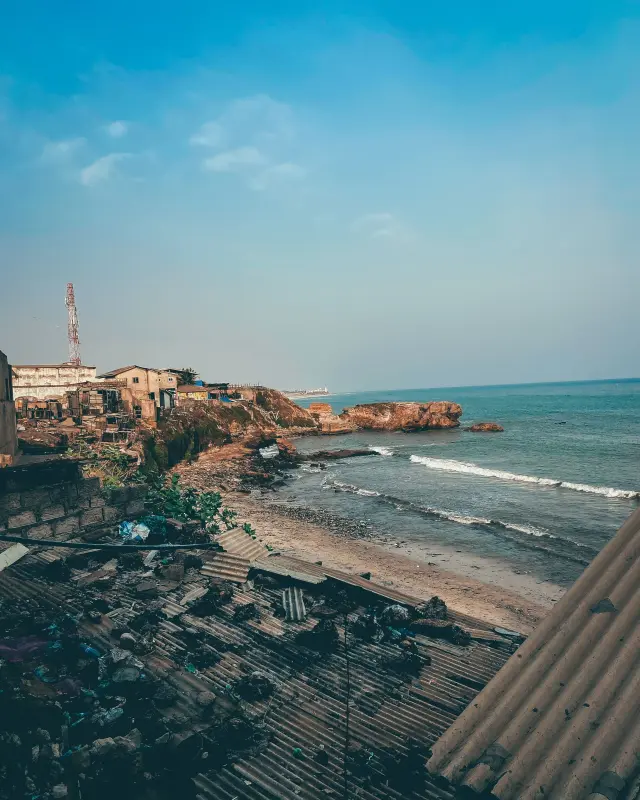
Climate change is transforming the environment and development landscape of all nations that are located at beaches in the world very fast and Ghana is not an exemption. Increase in temperature of the earth has enhanced the rate of increase of sea level, frequency of extreme weather incidents, as well as erosion along the coastlines.
 Among the urban centers
that Ghana has in the coastal areas, the change in environment poses immense
challenges to the homes, infrastructure, and livelihoods. The Accra, Tema, Sekondi
-Takoradi, and other settlements located along the coastlines are increasingly
vulnerable to floods, shoreline recessions, saltwater intrusion and
displacement of populations at risk.
These risks have a high impact on the
low-income households that in most cases are located in informal settlements
which are constructed on marginal lands that are highly susceptible to climatic
hazards.
Housing Affordable housing is the convergence of climate resilience and urban development. Although traditionally housing policies are based on cost, availability, and access to infrastructure, climate change has necessitated the fact that resilience and environmental sustainability should become the main factors.
Unless properly planned, affordable housing
developments turn into the center of future disasters, where already vulnerable
people will be put at even more risk.
The transformation of Ghana's urban housing systems to accommodate the increase in sea level requires concerted efforts in terms of planning, strong building designs, conducive policies, inclusive financing, and community involvement.
This paper dwells on the issue of using affordable
housing policies to enable cities in Ghana to cope with climate change,
safeguard vulnerable groups, and facilitate sustainable urban development.
Climate Change and Rising Sea Levels in Coastal Ghana
Scientists indicate that the world's oceans are rising because
of melting ice caps in the poles and the thermal expansion of oceans being
warmed. The West African countries that are coastal are at an increased risk
due to low-lying coastlines and fast-growing coastal communities. The coastline
of Ghana is more than 500 kilometers, affecting large urban areas, fishing
settlements, ports, and industrial belts which are crucial in the national
economy.
The gradual rise in sea level erodes the coastline,
destroys infrastructure, and heightens the risk of tidal floods. In Ghana, the
coastal areas have been severely eroded in most areas, and this has affected
houses and displaced families. Storm surges also contribute to the destruction
by sweeping seawater onto land, thereby contaminating fresh water supplies and
undermining building supports.
The lack of drainage systems, uncontrolled construction, and
erosion of wetlands which absorb excess water are all factors that lead to
urban flooding. Settlement and towns constructed near lagoons and wetlands near
the coast are particularly susceptible. Most of the residents are not equipped
to move or strengthen their houses.
Climate change thus is not only an environmental issue but a
housing crisis which poses a threat to the human safety, economic productivity,
and national development. The issue of sea level rise has to be incorporated in
the housing and urban planning policies.
Vulnerability of Low‑Income Urban Communities
The poorest city dwellers are considered to be a group of
the most vulnerable to weather-related housing threats. Because of financial
constraints, most of the families are relocating to hazard prone regions where
land is cheaper or unregulated. Such areas are along coastlines coast lines,
floodplain, wetlands, and drainage systems which are very vulnerable to rise in
sea levels, and floods.
The homes and houses in such areas are usually constructed
using low quality and temporary construction materials which are not able to
withstand strong winds, water pressure, or long exposure to moisture. Buildings
should have a poor foundation that can cause collapse and poor roofing which
exposes the building to storms.
Overpopulation also amplifies vulnerability and increases
the risk of more people occupying the same space. It is more challenging to
respond to and evacuate people in communities with high populations and limited
access to the access routes.
Low-income households cannot invest in resilient housing
improvements due to limited access to insurance, savings, and formal credit.
Frequent flooding destroys the property of households, interrupts education,
and undermines livelihoods.
To avoid ensuring that social inequalities are exacerbated,
climate adaptation policies should therefore place an emphasis on vulnerable
populations. Climate-resilient housing designs must be afforded as a part of
affordable housing policies, and the most vulnerable population must be
safeguarded.
Integrating Climate Resilience into Affordable Housing Design
Housing designed to be resistant to climate and environment
fosters protection against environmental hazards and augments long-term sustainability. In coastal Ghana, high building foundations would reduce the
effects of floods because during storm surges, the foundation would stop the
infiltration of water. Concrete constructions are better reinforced to
withstand heavy rain and strong winds.
The roofs which are designed to drain rainwater efficiently
lessen structural stress and leakage. Prevailing weather-resistant
construction materials and fixings are useful in facilitating the structure to
withstand harsh weather. Well-ventilated areas lessen humidity and enhance the
quality of indoor air.
Treated wood, stabilized earth blocks, and moisture-resistant insulation are flood-resistant materials that can be used to extend the life of
the building. Higher electrical systems and guarded utility connections are
used to minimize damage and minimize other safety hazards.
Green infrastructure increases resilience. Restored
wetlands, vegetated buffers and permeable pavements take in excess water and
lower the intensity of runoff. Trees in the urban environment can provide
shade, mitigate heat stress, and improve the quality of the environment.
The developers of affordable housing have to tie the knot of resilience and cost-effectiveness. Resilient building templates and sourcing of local materials can generate low costs without compromising on the safety standards.
Planning and controlled urban growth Land use Planning
Proper land use planning is very important in safeguarding
housing against climatic effects. Officials should be able to establish hot
spots of high-risk areas prone to the rising of the sea level and prohibit
building in those regions. Evidence-based planning decisions are assisted by
technologies of hazard mapping and geographic information systems.
City growth ought to focus on safer regions within cities
led by transport networks and economic infrastructure. Satellite communities
would decrease the amount of population pressures on coastal areas, and
providing alternate, safer housing.
Wetland conservation is necessary since wetlands serve as
natural buffer of floods. The uncontrolled growth of these ecosystems makes it
more susceptible to water swells. Conservation of green areas increases the
resilience in cities.
The zoning laws need to promote mixed-use developments that
will combine residential units, work stations, and community facilities. Small
city structures lower the cost of infrastructure and enhance the efficiency of
emergency response.
Programmes to relocate high-risk populations should be well
planned to ensure that the livelihoods and social networks are not disturbed.
Participatory planning is the only way that involved residents can contribute
to relocation. Planning of land use thus allows urban housing to be
developed more safely and sustainably.
Flood prevention work on the infrastructure
The urban infrastructure plays an important role in housing
resilience. The drainage systems are inefficient and hence extreme floods can
occur with an average rain. The development and the modernization of the storm
water drainage systems will help to mitigate the severity of floods and secure
residential zones.
Protective barriers, levees and revetments are used as sea
defense systems to lessen the effects of coastal erosions and storm surges.
Solutions based on nature such as mangrove restoration have added protective
value.
The road networks should be improved and made taller with
proper paving in order to keep off water collection and accessibility in times
of emergency. Protective installations are necessary to help maintain reliable
electricity supply and water supply systems that are not exposed to floods.
The condition of waste management enhances the prevention of
blocked drains that aggravate the issue of flooding. Community education
campaigns promote good disposal.
Combining resilient infrastructure and affordable housing develops increase the safety and long term sustainability. Planning infrastructure should not only look at the past but also predict what should be expected in future climatic conditions. Climate resilient infrastructure supports the security of the resources of a population and lowers the costs of disaster recovery.
Funding climate resilient affordable housing
Funding is still a significant problem in providing
resilient affordable housing. The upgrades in the infrastructure and materials
resistant to climate changes tend to raise the initial expenses, which
discourages individual developers. But over-long term investments are justified
by long-term savings of disaster damage.
Governments may also offer special subsidies, tax credits
and low-interest loans to promote resilient housing building. The adaptation
projects can be funded by public climate funds to vulnerable communities.
Climate finance mechanisms at an International level entail
grants and concessional loans on adaptation programs. The mobilization of
technical and financial assistance can be achieved through partnerships with
development institutions.
Low-income households could have insurance plans that cover
property investment against losses due to climate changes. Microfinance
institutions can offer small loans in order to help home owners to retrofit
their homes and improve resilience.
Public-private arrangements share the financial risks and
facilitate innovation. The blended finance models involve the public funds and
investments to make the projects more feasible.
The implementation of sustainable financing structures is to
make climate resilience not a luxury but a standard that will provide
affordable housing.
Community and Local Knowledge Incorporation
When communities are involved in climate change management,
it enhances the capacity to adapt to climate change through the use of local
expertise and ownership of housing programs. The people living there probably
have a lot of knowledge about local environmental trends, the history of
flooding, and areas at risk.
The participatory planning processes will make sure that the
housing designs are appropriate regarding the cultural preferences and
livelihood needs. Communities should be involved in the construction and
maintenance to increase accountability and sustainability.
Education campaigns in the community bring awareness on the
risks of the climate and also promote adaptation actions at household level.
Resilient construction methods can be developed through training programmes.
Community-based monitoring systems assist in early warning
systems and quick response to emergencies. Social networks ensure coordination
of evacuation and recovery from disasters.
Inclusive planning helps to consider vulnerable people like women, elderly citizens, and people with disabilities in the adaptation strategies. Ground-level housing designs improve the safety of the residents. Empowered communities also become active contributors to the establishment of climate resilience instead of inactive receivers of government actions.
Policy Reforms and Institutional Co-ordination
Good policy frameworks play a major role in incorporating
climate adaptation in housing policies. Environmental standards and resiliency
guidelines should be included in national housing policies. The flood-resistant
designs should be required through building code and safety compliance
enforced.
Policies are not fragmented through the coordination of
housing authorities, environmental agencies, local governments and disaster
management institutions. With integrated governance, there is a uniform
planning and allocation of resources.
The reform of land administration enhances the control of
coastal development and unlawful construction in the high-risk region. Open
approval procedures lead to accountability. Evidence-based policy-making is a
helping element in adaptation planning. Interventions are targeted according to
climate risk assessment and housing vulnerability studies.
Implementation is enhanced through capacity building of the
urban planners, engineers and construction professionals. Resilient
technologies adoption is done in an institutional training. Stability in policy
through political cycles is long-term and encourages continuity in adaptation
investments and confidence of the investor.
Technology and Innovation in Climate‑Smart Housing
Technological innovation is gaining popularity to enhance the resiliency and affordability of housing in cities that are vulnerable to climate. The latest construction technologies provide safer and is quicker, and more cost-efficient ways to assist Ghana in reacting to the increase of sea levels and weather extremes.
Building parts such as walls are built in
advance, hence saving time and maintaining the same quality. These elements may
be made in such a manner that they resist water, corrosion, and structural
erosion due to long-term exposure in the sea.
The use of digital mapping technologies enhances urban
planning and risk management as well. GIS and remote sensing technologies
enable planners to determine the areas at risk of flooding, analyze changes
in shorelines, and determine the susceptibility of settlements. This
information contributes to improved choices of the location to construct
the affordable housing and designing protection facilities.
Resilience is also improved by implementing smart water
management systems. The technology of rainwater harvesting has the advantage of
minimizing pressure on drainage systems in the urban areas and serves as an
alternative source of water in times of scarcity. Simple alerts through mobile
networks can be created to give warning to communities regarding the occurrence
of a storm or tidal surge.
Innovations that are produced locally around the building of
the constructions by the use of local materials like stabilized earth blocks
and recycled composites can save money, but also ensure environmental
sustainability.
Privacy of the Sector and Investment Opportunities
The non-governmental sector is crucial in the
intensification of the delivery of affordable housing that is
climate-resilient. Constructors, developers, financial institutions, and
material suppliers are the ones who bring their capital, skills, and innovations
which a government may not bring. It encourages the individual involvement to
increase housing supply; it helps in encouraging efficiency and technical
progress.
Several incentives are available to developers to
climate-smart housing projects and these are in the form of tax incentives,
subsidies on accessing land, and the lowering of importation duties on strong
building materials. Clear regulatory frameworks and simplified permit
procedures bring about uncertainty and enhance investor confidence.
The financial institutions have the opportunity to present
green housing finance products which can help in the construction which is
climate resilient. Green bonds, sustainability-linked loans and long-term
credit facilities are some of the ways capital is raised to finance
environmentally friendly projects.
The insurance companies also play a role by coming up with
coverage on climate risks that insure against housing investments against flood
and storms. The means of risk-sharing between the state and the non-state
organizations render the resilient housing projects more financially feasible.
The pilot housing projects can serve vulnerable societies,
and it can be supported by corporate social responsibility programs, which
would show that climate-smart designs are possible and reinforce the social
impact resolutions.
Conclusion
The threat of climate change to the Ghanaian coastlines
cities is also mounting and rising sea levels are threatening housing,
infrastructure and livelihoods. Economic vulnerability and exposure to
environments that are vulnerable to hazards are disproportionately risky to
low-income households. The affordable housing policies should hence not be seen
as cost-based, but rather resilient and environmentally sustainable.
The vulnerability can be minimized by incorporating
climate-resilient designs, strategic land use planning, infrastructure
improvement, innovative financing systems, and community engagement.
Jurisdictional cooperation and institutionally coordinated policy reforms also
enhance adaptation.
By making housing development consistent with objectives of climate adaptation, Ghana will be able to safeguard vulnerable populations and enhance sustainable urban development. Affordable housing resistant to climate is not only a construction priority but a national development essential, which protects lives, enhances economic stability, and provides long-term resilience of urban areas.
Also read: Affordable Housing And Heat Waves: Passive Cooling Design For Pakistan’s Climate




-shtTqaPktk.jfif)









LEAVE A REPLY