

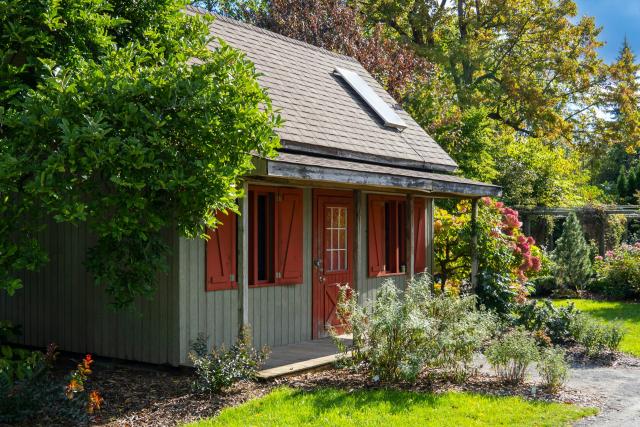
Accessory Dwelling Units (Adus): A Budget-Friendly Housing Trend
In recent years, accessory dwelling units (ADUs) have emerged as an appealing way to ease housing pressures felt by homeowners, renters, and local governments. An ADU-often called a granny flat, in-law suite, or backyard cottage-is simply a small, self-contained residence built on the same lot as a single-family house. Because these compact homes offer ease of construction, lower cost than full-sized new dwellings, and a smaller environmental footprint, they fit well into 2025s search for sustainable housing.
In the entry that follows, I analyze the growing popularity of ADUs as a budget-friendly option, weighing startup expenses, ongoing benefits, common hurdles, thoughtful design tips, and relevant public policies. By reading on, you will understand why ADUs have moved from niche idea to mainstream remedy and consider whether one could serve your household or neighborhood.
Cost to Build and Maintain an ADU Building an accessory dwelling unit (ADU) still costs much less than buying a second house or pouring money into a large apartment building. While final prices depend on size, style, materials, and local labor, most new units sit between $100,000 and $300,000.
A detached backyard cottage built from scratch with premium fixtures will climb toward the upper limit, yet a straightforward garage or basement retrofit may cost only $50,000 to $150,000. Beyond hard-building expenses, owners also face planning fees, permits, utility tie-ins, and site work like grading or new drainage. These so-called soft costs can swell the final tab by an extra 10 to 25 percent.
Once the unit is live, upkeep tends to be light, especially when the bill is split between two residences. Routine items such as water, electricity, yard care, and minor repairs can either be shared or metered according to actual use. Because many ADUs carry their own meters or tap smart-management tools, they seldom drain the main house unduly. Over the years, steady rental income, an appreciated asset, and lower utility bills together deliver real savings that traditional rentals rarely match.
Financing an accessory dwelling unit (ADU) may be accomplished through home-equity lines of credit, short-term construction loans, FHA 203(k) programs, or lenders who specialize in accessory units. Although rates and terms differ, many owners discover that rent helps cover the mortgage and other startup costs. In markets with steady demand-near universities, transit terminals, or major employers-the additional unit becomes a reliable source of cash. With careful forecasting, owners often recover full expenses within five to ten years and can later capture added value at sale.
Benefits of ADUs: Affordability, Flexibility, and Community Impact
ADUs deliver a broad range of advantages for owners, tenants, and neighborhoods alike. For the primary homeowner, they produce income with far less headache than running a formal apartment building. Leasing to an adult child, a retired parent, or a live-in aide preserves family ties while granting each party their own space. Even occasional short-term stays can yield meaningful returns during peak tourism seasons. For renters, ADUs frequently offer well-located, budget-friendly housing in established communities served by buses, trains, and shops. Compact in size, these units meet the needs of solo professionals, young couples, or empty nesters who might otherwise be squeezed from the market.
Viewed through the lens of urban planning, accessory dwelling units (ADUs) enable what practitioners call gentle densification: they insert new homes into backyards and side lots without drastically changing the look or feel of a street. This approach fits neatly within missing-middle proposals, because it adds residences priced between large single-family houses and low-cost apartments, thereby offering a buffer against soaring rents and relentless suburban expansion.
Because ADUs sit close to existing infrastructure, they encourage walking, reduce peak commuter trips, and make better use of sewers, roads, and public transit that already serve the area. Their small physical size limits land coverage, lessening heat-island effects and storm-water runoff, and owners can outfit them with solar panels, rain tanks, and energy-saving appliances, which together drive down per-unit carbon output.
Local economies see upside as well. Building crews stay busy during ADU construction, and landlords receiving rent tend to circulate that money through neighborhood shops and services. Homeowners who plan high-quality units typically seize the moment to refurbish the main dwelling, raising property values and aesthetic appeal along the block. In tight housing markets, ADUs thus give communities a nimble tool for meeting demand without demolishing heritage structures or forcing longtime residents out.
Challenges and Downsides of ADUs
ADUs bring real benefits, yet they are not without headaches. Zoning codes and building rules often stand in the way. Many cities still block or tightly control accessory units, and even friendly jurisdictions layer on strict lot-size floors, occupancy caps, owner-occupancy mandates, setback lines, or parking quotas. Clearing those checkpoints can burn cash and stretch calendars by months. Moreover, not every lot can fit an ADU, since steep slopes, weak utilities, or environmental buffers may rule it out. Finally, the noise, dust, and sudden skyline shift of building work can rattle neighbors and spark conflict unless the owner engages the community early and honestly.
Money can be another minefield. Conventional lenders may doubt how to value an ADU or guess its rental stream, so they tighten terms or issue smaller loans. Insuring the unit, meanwhile, often demands extra riders or stand-alone policies that depend on whether it stays family space or becomes a formal rental. Once the keys are handed over, running the apartment-whether for a long-term lease or short-stay guests-takes clear landlord know-how: vetting tenants, fixing leaks, tracking local rules, and delivering steady, fair service. Dismissing those duties as trivial can quickly turn a promising investment into a budget drain or a lawsuit.
Cultural attitudes have a notable bearing on whether accessory dwelling units (ADUs) succeed. In neighborhoods chiefly organized around single-family homes, such units often encounter aesthetic unease or social stigma. Fears of losing a distinctive community feel can spark political resistance even when regulations permit ADUs. Therefore, owners and planners must weigh immediate costs against cultivating enduring neighborhood support if ADUs are to be fully integrated.
In 2025, ADU design fuses everyday function with inventive style. Favored options still include attached conversions-garages or basements-detached cottages, and repurposed shipping containers or modular boxes. Garage conversions usually rank as the least expensive because they use existing walls, roofs, and utilities, yet detached or modular builds provide more freedom to experiment with form and siting. Space-saving tactics abound: built-in cabinets, drop-down tables, compact kitchens and baths, plus carefully placed windows that admit ample daylight. Step-free entrances, wider doorways, and accessible showers now appear more routinely, allowing units to serve multiple generations comfortably.
Interest in modular and prefab ADUs is surging, partly because these units lower finishing costs and arrive on-site much faster. Builders may deliver the components in large sections that crew members join within days. This approach cuts excess material, ensures uniform quality, and can shave months off the overall schedule. Increasingly, models are solar-ready or designed for net-zero operation, appealing to owners intent on shrinking utility bills and their carbon footprints.
Smart-home gadgets built for small spaces keep life comfy and cut energy waste. IoT thermostats, mobile lighting, and room-by-room HVAC let renters set their own climate and trim overuse. Even central systems are being retrofitted with zoning panels and sub-meters so each resident can see what they consume. Landscape design also matters. Good patios, porches, paths, and shared gardens add square footage and give neighbors a reason to talk. Xeriscape beds, native shrubs, and permeable bricks catch rain rather than piping it away. Privacy screens, tall plants, and deliberate sightlines shield homes while keeping outdoor rooms open.

Policy Implications and the Future of ADUs
ADU growth starts with the rules that permit it. Cities across California, Oregon, Washington, and parts of Canada have eased setbacks, dropped parking mandates, and allowed more units per lot. Local incentives such as waived fees or fast-track reviews make construction cheaper and builders quicker. Nonprofit teams then partner with municipalities to deliver deed-restricted units for seniors, teachers, and low-income households. The goal is to hold rents in check rather than let the market push them up unchecked.
Looking forward, accessory dwelling units ADUs may become key in bridging local housing shortages. Their compact footprint is well suited to aging residents who wish to remain at home; they also adapt quickly during economic downturns and lend themselves to future reuse. Advances in digital design, modular construction, and progressive policy have begun to lower production costs and widen their appeal. Still, surging material and labor expenses could squeeze many pro-forma budgets. Local governments, therefore, face the delicate task of meeting housing targets while protecting utilities, community identity, and social equity.
Embedding ADU programs within larger agendas-such as transit-oriented development, climate adaptation, and income-mixed neighborhoods-will prove vital. Ongoing data collection and impact studies should inform forthcoming zoning reforms and subsidy frameworks. Meanwhile, collaborative projects that pair homeowners with municipal bodies, nonprofit experts, or housing cooperatives are rising and could redefine modern ownership or shared living.
The Growing Popularity of ADUs across Generations
In today’s fluid housing landscape, Accessory Dwelling Units ADUs increasingly appeal to multiple generations because they flexibly meet changing household requirements. For millennials who carry student loans and find traditional ownership out of reach, these small units present a less intimidating entry path. Whether they occupy an ADU themselves or rent it to help cover mortgage payments, many young adults frame the units as a route toward autonomy and firmer finances. At the same time, Gen X homeowners build or convert units so that aging parents or adult children can return home while still enjoying their own private space. The option to keep relatives close without forcing everyone into one cramped house strikes a practical balance many families now seek.
Baby boomers are also leaning into accessory dwelling units, especially when they want to downsize but stay in the neighbourhood they love. Some owners build an ADU so they can move into that smaller unit and rent out the larger house for steady income. Others set up the small dwelling for relatives, freeing themselves to age in place upstairs or in the main home.
In either case, seniors enjoy the comfort of familiar streets, trade heavy upkeep for lighter chores, and may even pocket passive rent. Such flexibility proves that ADUs are not a rigid template; they bend around different lifestyles, budgets, and family needs. As housing pressures grow and households look for roomier, adaptable answers, accessory units deliver practical utility and emotional calm.
Environmental Sustainability through Small-Scale Living
A central reason for the growing popularity of accessory dwelling units (ADUs) is their environmental edge. In an era when planning meetings are often consumed by talk of climate change, these modest homes present a low-impact, resource-smart path to new housing. Because they occupy a smaller footprint, builders consume less lumber and concrete, and once residents move in, energy and water use drops. Whether outfitted with ENERGY STAR appliances, rooftop solar, or high-quality insulation, an ADU can embody forward-thinking, planet-friendly living. Some cities respond by rewarding green ADUs with faster permits or tax breaks, eager to shrink the builders and occupant’s carbon loads.
Infill development, or building amid an existing fabric, brings its own set of advantages. ADUs sit on already serviced lots, so extra roads, sewers, or power lines are seldom needed; that cuts both costs and sprawl while preserving parks and farmland. Using existing infrastructure also lets municipalities deliver services more cheaply and encourages homeowners to walk, bike, or ride transit. Many builders add native gardens, permeable paving, or rain barrels, further easing runoff and habitat loss. Together, these features position ADUs as useful partners in wider plans to trim emissions, enhance resilience, and steer cities toward more sustainable futures.
Community Acceptance and the Role of Public Awareness
Accessory dwelling units (ADUs) carry numerous benefits-yet local support often decides whether they really catch on. In many neighborhoods, opposition springs from worries about higher density, added cars, or loss of architectural harmony. Yet such pushback usually grows from misconceptions or simple unfamiliarity with the unit design. As cities and advocacy groups expand outreach-open houses, block meetings, and clear visual handouts-attitudes gradually soften. Once nearby residents witness well-crafted, unobtrusive ADUs on their own block, many fears fade quickly.
Public awareness feeds this gradual culture shift. Sharing stories of families who use ADUs to host elderly relatives, earn extra income, or widen the affordable-housing stock puts a relatable human face on the trend. City halls further ease adoption by providing technical assistance, pre-approved plans, and straightforward zoning rules that strip away mystery. With understanding rising, ADUs shift from symbols of instability to valued assets that enhance inclusivity, community resilience, and a stronger neighborhood bond.
ADUs as Tools for Economic Empowerment and Housing Equity
Accessory Dwelling Units, commonly called ADUs, are gaining wider attention as more than cheap places to live; people now see them as pathways toward fairer housing markets and stronger household finances. For many homeowners in lower- and middle-income brackets, adding a small unit in the backyard or garage can produce steady rent money with far less risk than full-scale property flipping.
That extra income can ease pressure on a budget by helping to meet mortgage bills, cover rising taxes, or simply keep pace with everyday costs. In neighborhoods threatened by rapid price growth, the same units give long-time residents a way to stay put, because income from an ADU lets them capitalize on their land rather than hurry into a sale before they are priced out.
ADUs thus scatter new rental chances across zip codes that poor families usually cannot afford, opening doors to stronger schools, safer streets, and shorter commuter times. When local governments pair those units with fair policies-such as upfront grants, deferred loans, or generous fee waivers-they boost the chances that marginalized groups, especially households of color, will capture the wealth that home equity can provide. Community groups and land trusts have also started including ADUs in their toolbox, promising lifelong affordability while keeping ownership and decision-making in local hands. Together, these efforts show that ADUs can do more than patch shortages; they may gradually rewire the housing market so that land, equity, and opportunity are shared more widely.
Conclusion
Accessory dwelling units (ADUs) are no longer just trendy garden flats; they now offer a practical, layered answer to the price, money, and climate problems crowding today’s cities. They give homeowners a low-risk income stream, renter’s short-term flexibility, and neighborhoods slight, human-sized density that quietly fills empty back yards. Though rules, budgets, and design details still trip them up, their fast spread signals a turn toward sharing resources, living softly, and finding room for everyone.
As zoning loosens, building tech improves, and ideas about neighbors change, ADUs look set to step fully into the mainstream housing mix. They prove that tiny projects added one lot at a time can tilt the balance on costs, storm strength, and local energy. Whether you are an owner chasing extra income, a planner after smart growth, or an advocate for green living, ADUs give you a real tool to act. With care, teamwork, and the right backing, a simple shed behind the house can grow into a fairer housing base and a spark for community renewal.
Also Read: Evaluating Social Housing Potential For Low-Income Urban Dwellers




-3dkuLgKhRD.jpg)
-49HupTvwDD.jpg)








LEAVE A REPLY